Blooming Hallucination: Technology as Nature
Curated by Miguel Novelo
- Adelaide Theriault
- Arina Pozdnyak
- Curtis Reid Henderson
- Gail Wight
- Jillian Crochet
- Kal Spelletich
- Kelley O'Leary
- Laia Bent
- Remina Greenfield
- Robin Canul
- Tiare Ribeaux
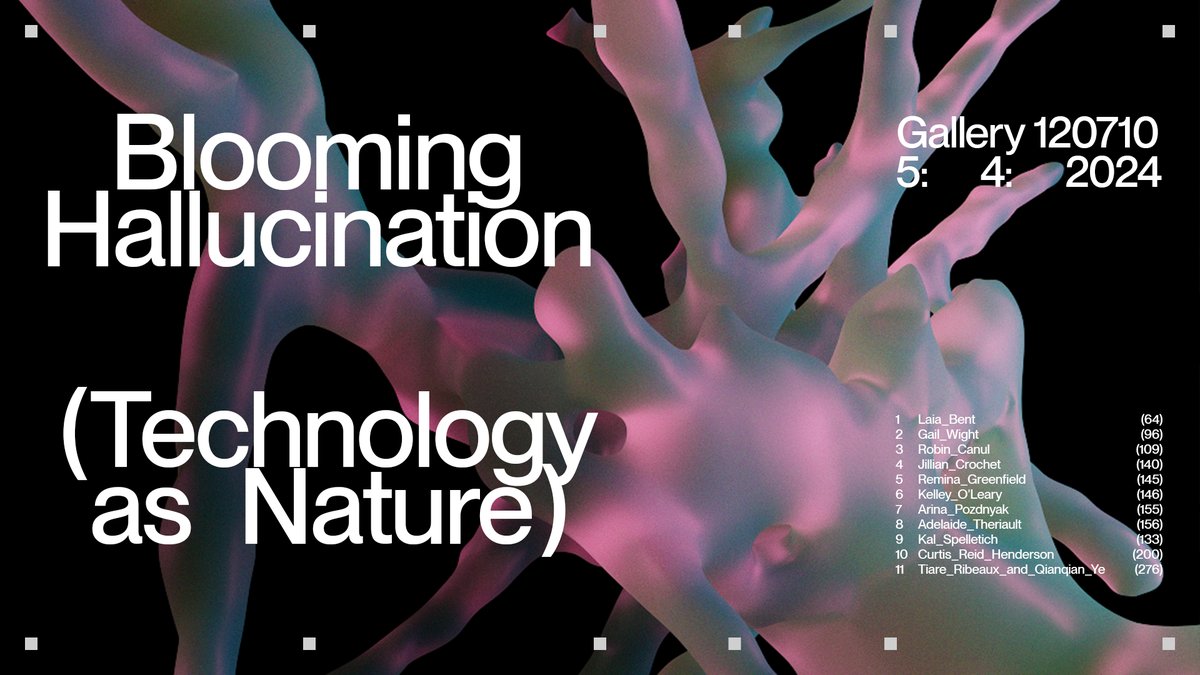
Hallucination: “Gustav Metzger” once challenged, 'Art must be at the cutting edge of technology, but in reverse. Art should question the presence of technology in our lives and its invisible but profound impact on our behavior and ethics.
"Blooming Hallucination: Technology as Nature" challenges the traditional narrative that views technology as a dominating force, separate and superior to the natural world. This show presents a different perspective, positioning technology as a part of nature, not an alien imposition.
"Blooming Hallucination" prompts a critical reassessment of technology's role. Rather than celebrating technological tools as solutions, it explores how these tools can be reimagined to coexist, develop narrative, and delve into our understanding of what is natural.
Artists from diverse backgrounds, including New York, Los Angeles, New Mexico, the Yucatán Peninsula, Portland, California, Toronto, the Bay Area, Hawaii, and the Ural region, bring this concept to life using new media and engaging with environmental, cosmic, animal, cybernetic, and post-human themes. Their works encourage a reflection on our relationship with technology in relationship with nature, emphasizing the need for thoughtful integration rather than unchecked advancement.
This exhibition invites viewers to reconsider the role of technology, seeing it not as the pinnacle of human achievement but as one element in a broader ecological conversation. It advocates for a future where progress is measured by our ability to sustainably integrate with the natural world.
Works
Adelaide Theriault
mus domesticus, 2024
Multidirectional audio, surface transducers, contact microphone, walls, mus domesticus
Not For Sale
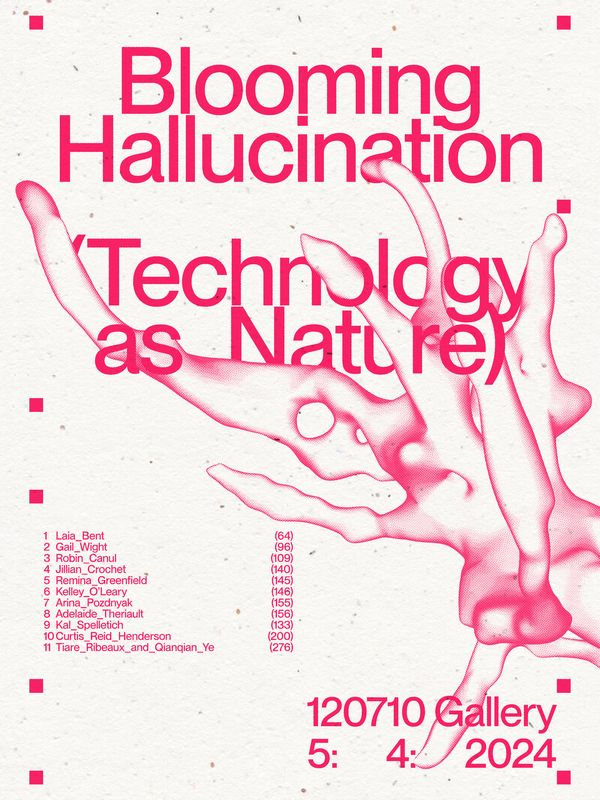
Arina Pozdnyak
Blooming Hallucination, 2024
poster / video / installation
18 × 24 × 27 in
Price on Request
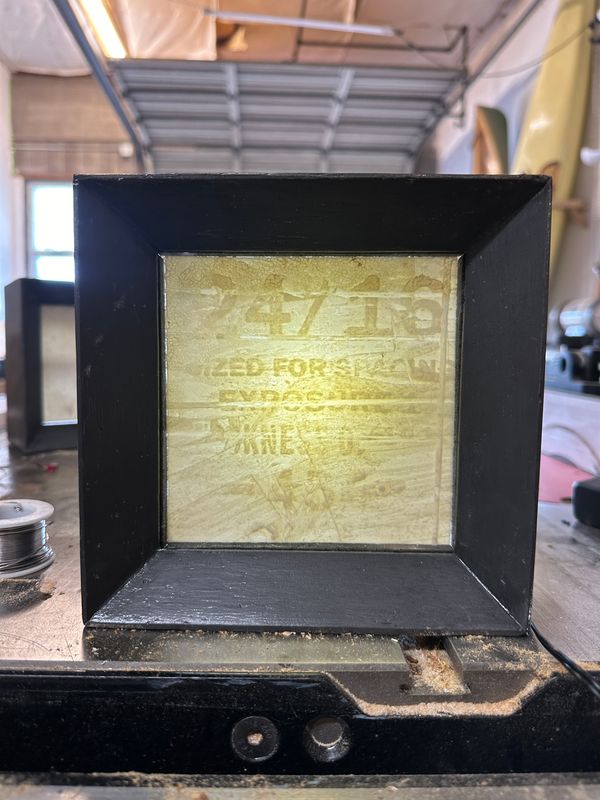
Curtis Reid Henderson
Texture Studies #1, #2, and #3, 2021
OSB, Cellulose Bioplastic, LED
7 × 7 × 4 in
Price on Request
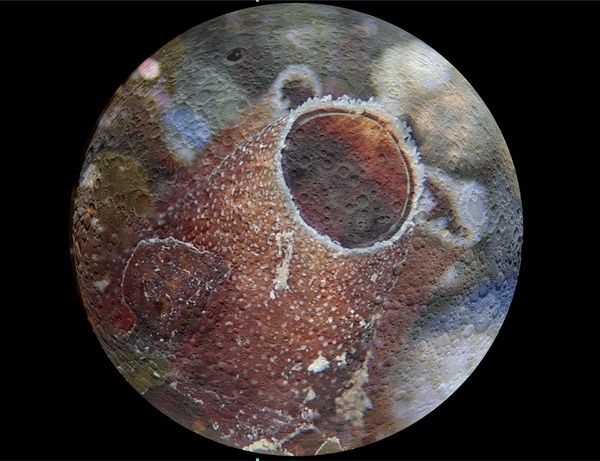
Gail Wight
Blue Lunar Eclipse, 2024
video projection
Price on Request
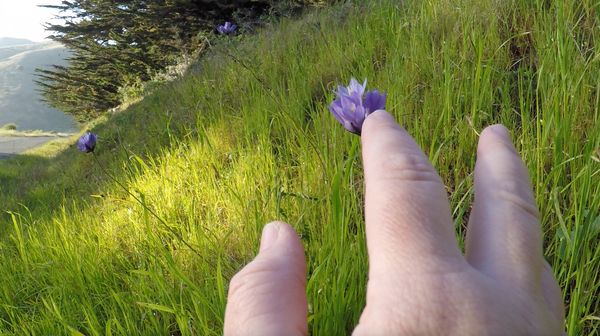
Jillian Crochet
intersecting oscillations, 2021
video
$2,000
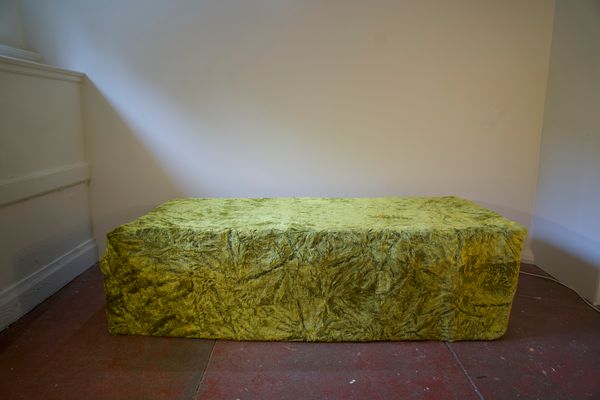
Jillian Crochet
Moss Slowly Grows, 2021
articulating pressure mat, metal bed frame, faux fur
36 × 24 × 84 in
$5,000
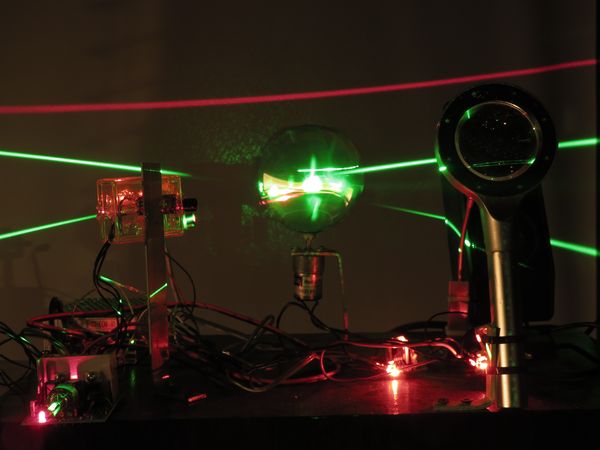
Kal Spelletich
The Burnell Galactic Positioning System, 2021–2024
Motor, mirrors, light sensors, power supply, speaker, sub woofer.
16 × 19 × 46 in
$3,000
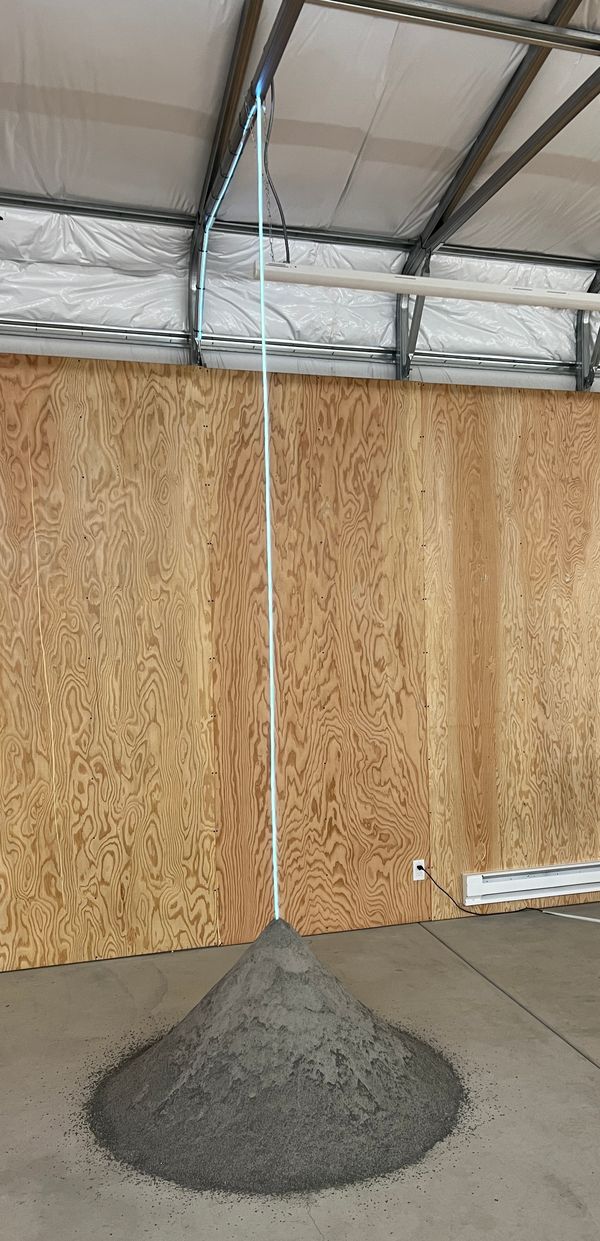
Kelley O'Leary
The Distance of the Moon, 2024
Basalt, LED light, single channel audio
3 × 3 × 12 in
Price on Request
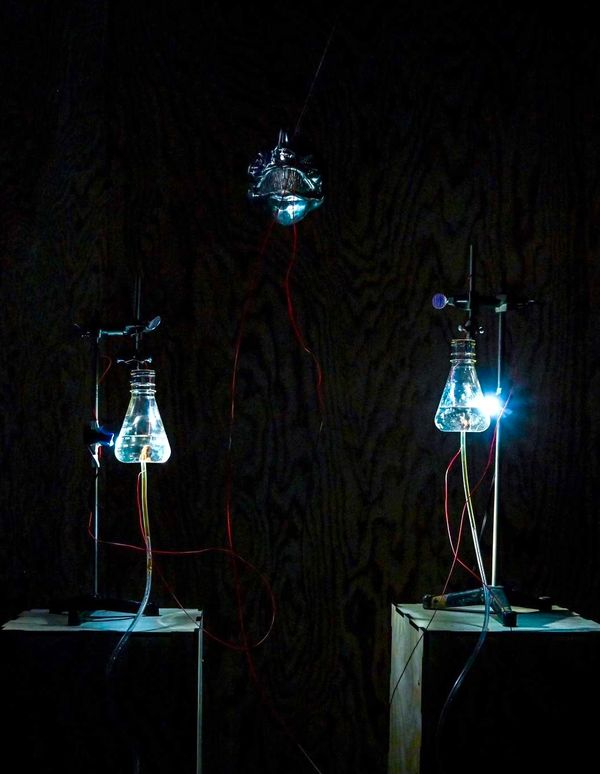
Laia Bent
Garden of Eden, 2024
installation, sculpture, chemical gardens
3 × 3 × 4 in
Not For Sale
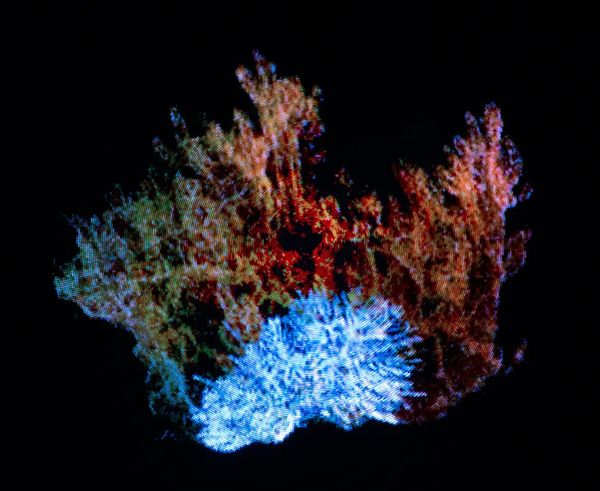
Remina Greenfield
Sheer Receptivity, 2022
LED hologram, digital animation
169 × 51 × 43 in
Price on Request
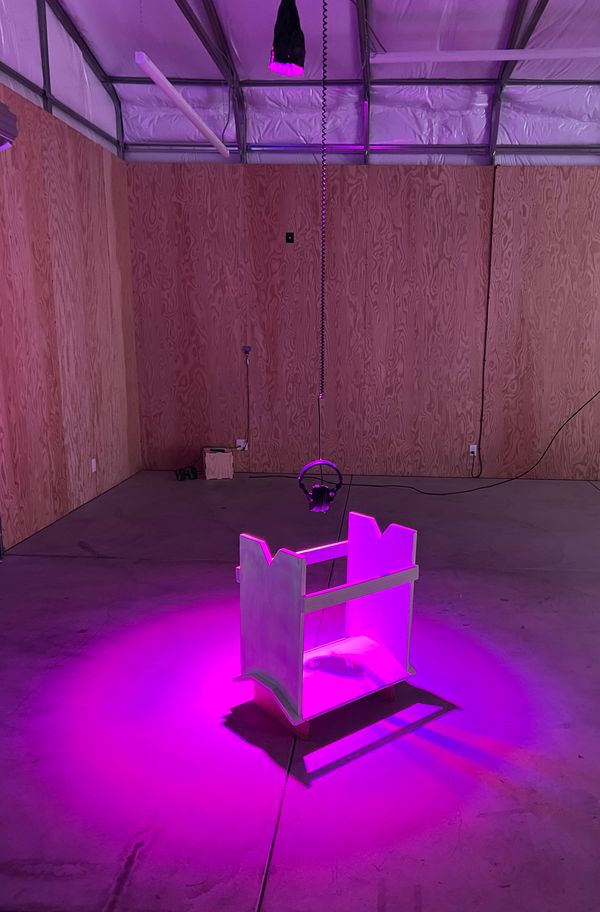
Robin Canul
U Noj k'áak'il t'aan (El gran fuego de la palabra), 2024
Wood sculpture, sound
Price on Request
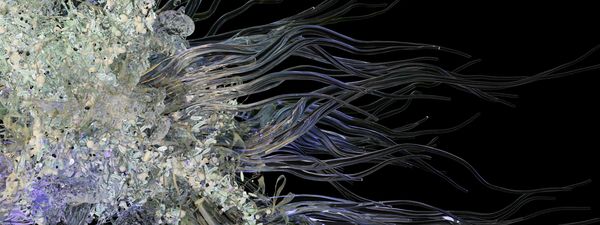
Tiare Ribeaux
Kai 海 Hai: PLASTIA, 2023–2024
Video, 6min, loop; Bioplastics
2 × 36 × 28 in
Price on Request
Artists
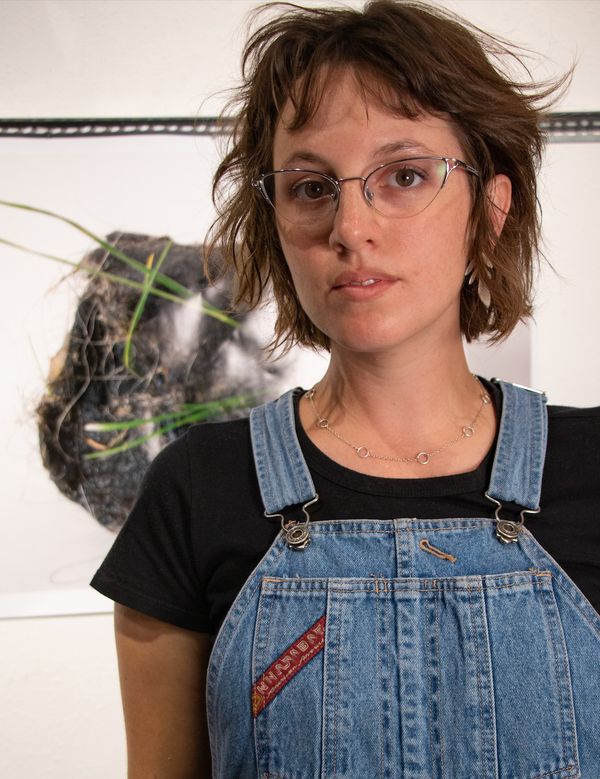
Adelaide Theriault @adelaidejo
Adelaide Theriault is a multidisciplinary artist working through site-specific sensory inquiry to nurture a practice of ecological research and intimacy. Adelaide is from north Texas, where they received a BFA from the University of North Texas in 2020. They are currently pursuing an MFA in Sculpture and Art and Ecology at the University of New Mexico. Adelaide has exhibited work regionally across the Southwest, including at the University of New Mexico Art Museum and SITE Santa Fe as a 2022-2023 SITE Scholar.
Statement: Adelaide’s practice stems from an interest in the ecologies that exist beyond the ranges of human sensory spectra, and from a desire to regularly molt and regrow perceptual habits. This research often takes shape through play with scale—repositioning themselves within the context of the lives and movement of the beyond-human parts of their respective ecological circuits. Adelaide is often immersed in the feral ecologies of medians, transition zones and in-betweens. Here, they work with installation, sound and environmental sensors to illuminate the place-making intelligence of more-than-human cohabitants within the context and wake of global capitalism. Their attention is currently held in the sonic-ecological impacts of highway and rail infrastructure in the Blackland Prairie ecoregion of Texas.
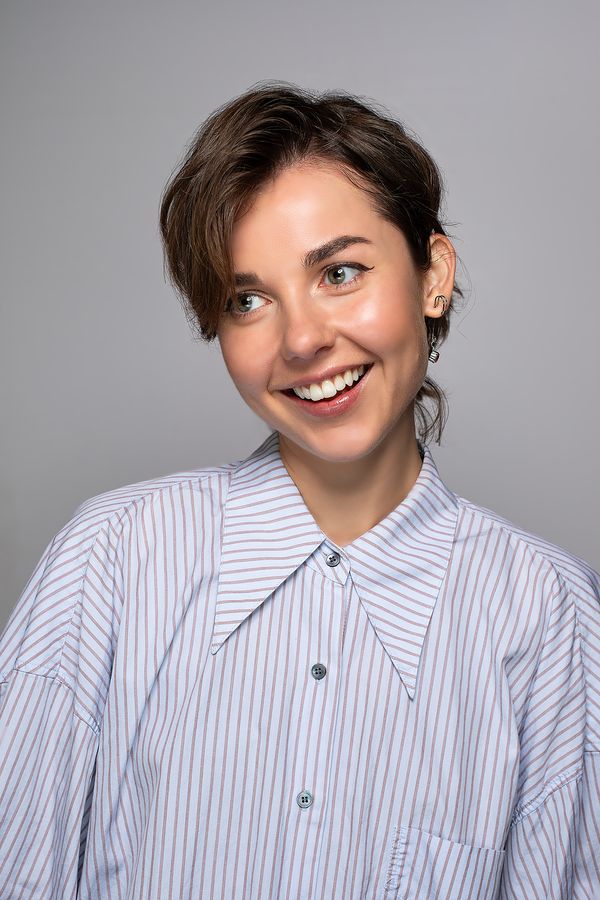
Arina Pozdnyak @pozdnyakarina
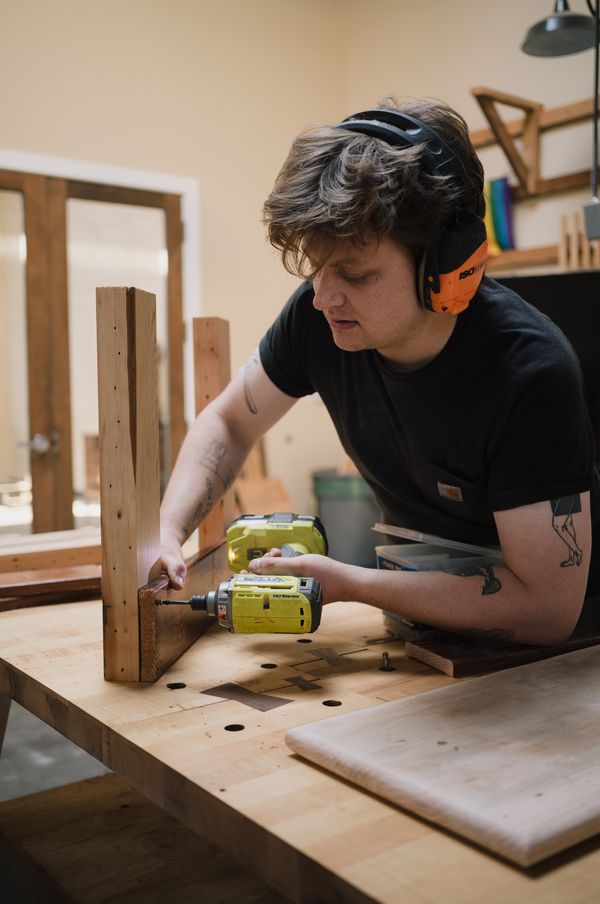
Curtis Reid Henderson @curtisreid.wood
Curtis Reid Henderson (He/Him) is a multidisciplinary artist, and craftsperson based in Portland, OR. He primarily works in the mediums of wood, metal, and electronics, exploring the remnants of industrial capitalism in order to find beauty and utility in materials which are often overlooked. Along with his art practice, Curtis is also a furniture designer, teacher, and political activist.
Statement: My name is Curtis Reid Henderson, I am a multimedia artist and craftsperson based in Portland, Oregon. My work, rooted in the use of found, salvaged, and reclaimed materials, reflects upon and adds commentary to the material conditions brought about by decades of forged reliance on consumerism. This practice is divided into equal halves by two distinct pursuits: the pursuit of truth, and the pursuit of quality. As an artist, I attempt to cultivate a narrative around our place in post-industrial society and capture how institutional infrastructure and capitalism have shaped our culture. As a craftsperson, I attempt to create heirloom objects that will bring real value to their owners' lives and last for decades while being available at a fair price. Both of these pursuits are conceived from the knowledge that the systems which have been erected around us are not equipped to withstand the future which they will bring about. I have thoroughly mourned the world that we have lost, and I will spend the rest of my life trying to bring about the change necessary to build the future that the next generation deserves.
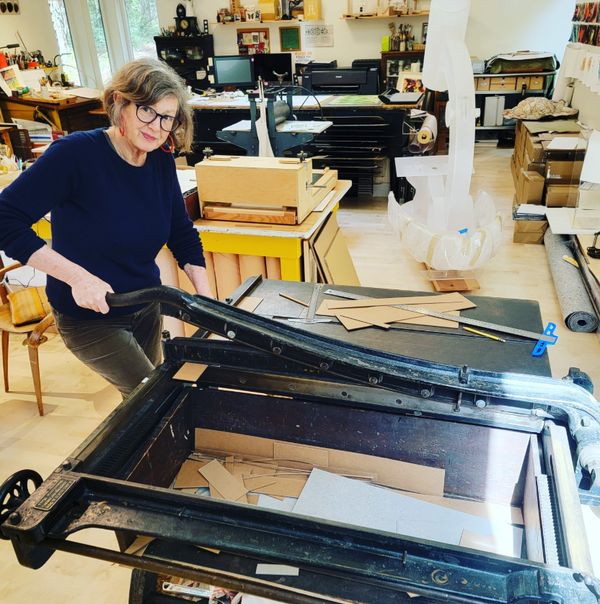
Gail Wight @gailandia
I hold an MFA in New Genres from the San Francisco Art Institute where I was a Javits Fellow, and a BFA from the Studio for Interrelated Media at Massachusetts College of Art. My art has been exhibited both nationally and internationally in diverse venues such as the Natural History Museum of London, the National Art Museum of China, the Seville Biennial, and SFMoMA. I’ve been fortunate to have residencies at western Australia’s Symbiotica, Art & Archaeology at Stonehenge, the Rockefeller Foundation in Bellagio, the Headlands in Sausalito, and San Francisco’s Exploratorium among many others. Public collections include the Museum of Modern Art in New York, the Centro Andaluz de Art Contemporaneo in Spain, the British Library, the Bainbridge Museum of Art, the San Jose Museum of Art, Yale, Harvard, and Tufts Universities and others. I’m Professor Emerita in Stanford University’s Department of Art & Art History, where I continue to teach book arts and hybrid printmaking with a focus on experimental media. My work is represented by Patricia Sweetow Gallery in Los Angeles, Kelmscott Bookshop in Maryland, Vamp & Tramp in Alabama, and Salt Point Press in northern California.
Statement: I am a visual artist constructing biological allegories. Working across traditional and experimental mediums, my art teases out the impacts of the life sciences on the living: human, animal, and other. The interplay between art and biology, theories of evolution, animal consciousness, and the vagaries of biochemistry are themes that have, over the past three decades, become central to my art. I’m currently immersed in the ecology of the northern California coast and the impacts of climate collapse on this fragile ecosystem as well as the heavily logged adjacent redwood forests.
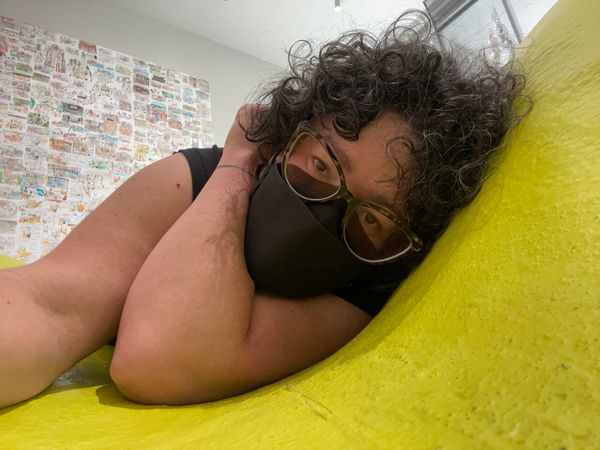
Jillian Crochet @jilliancrochet
Jillian Crochet is a Bay Area disabled artist working in sculpture, video, and performance to confront grief and disability. Her work questions: What is natural/unnatural? What bodies are included/excluded -- important? Her practice seeks to liberate the disabled body from normalized marginalization and oppression. In 2021 she was awarded an Emerging Artist Fellowship from the California Arts Council. She was a 2020-21 Artist in Residence at Art Beyond Sight’s Art & Disability program and a 2020-21 Graduate Fellow at Headlands Center for the Arts. She has shown work at the YBCA, Museum für Moderne Kunst in Frankfurt, Germany, the Contemporary Jewish Museum in San Francisco, CA, SOMArts, the Mobile Museum of Art, and the Alabama Contemporary Art Center and has published work in Able Zine based in London, UK, Quiet Lightning, and Feral Fabric Journal. She has presented work at MAD Museum, Stanford, and BAMPFA. She earned her BFA from the University of Alabama in 2007 and an MFA in Fine Arts at California College of the Arts in 2020.
Statement: Jillian Crochet is a Bay Area interdisciplinary artist working in sculpture, video, and performance. Her work uses haptic and embodied aesthetics to challenge the hierarchy of the senses and unpack disability and grief. Using elements found in ‘nature’ mixed with medicalized objects, her practice questions the medical model, desire for control, and the complex ethics of genetics and experimentation. A surreal sense of time and disembodiment shapes her work through repetition and duration. An oscillation of the subject/object relationship reflects and unsettles our understanding of nature. What is natural/unnatural? What bodies are included/excluded -- important? The unceasing work of self-advocacy led her to performance and interventional installation that reveals the inherent ableism of our built environment and social structures. The disabled body subverts expectations of how a body should look, perform, and produce - exist.
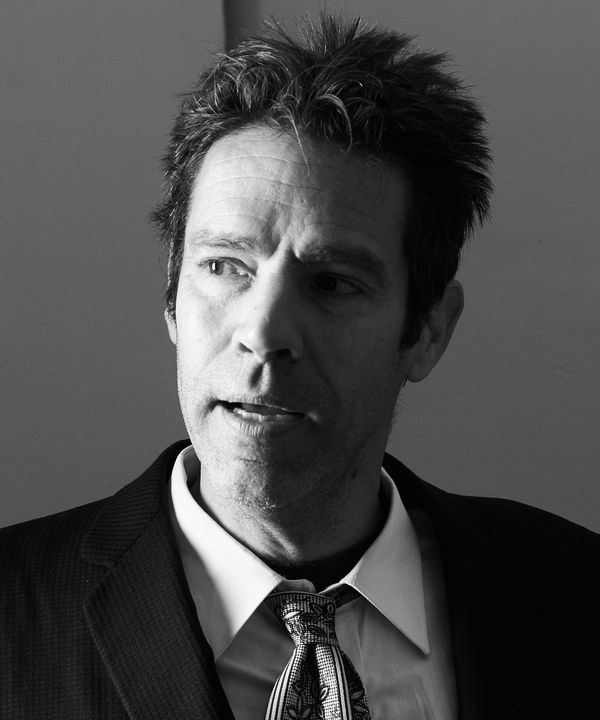
Kal Spelletich @kalspelletich
Statement: Kal Spelletich is a visual artist who has been developing projects that directly connect people to hidden aspects of life using sensors and robotics since the early 1980’s. Working with interactive sculptures and live performances, my projects rely on viewers to take an active role to complete each work. Projects primarily involve hand built robots, digital technology, sound, video, movement, and human physiology.They raise open ended questions about the dominant economic producers of technology, the interplay of technology and spirituality, the role of the collective in capitalism, and economic and educational privilege. Born and raised in Davenport, Iowa, the seventh of nine children. He has an undergraduate degree from the University of Iowa, and an M.F.A. from The University of Texas at Austin, both in the field of Media Art. He has performed, exhibited and lectured worldwide, collaborating with scientists, musicians, Survival Research Laboratories and politicians. Spelletich’s work has been included in numerous museum and gallery exhibitions all over the world over the past four decades.
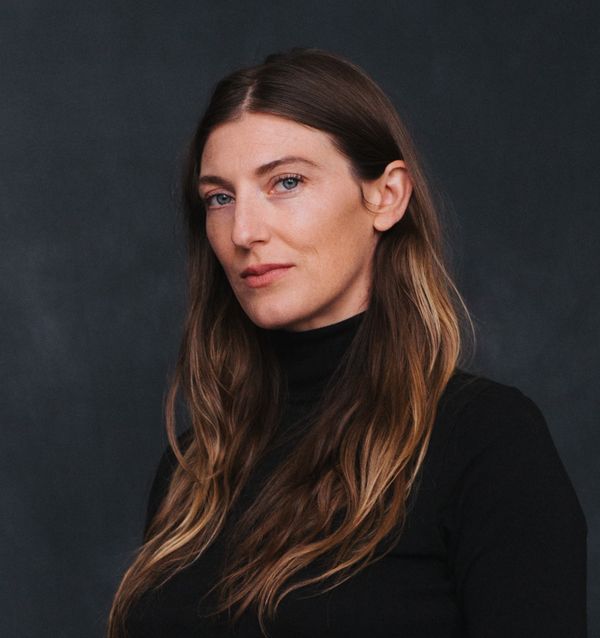
Kelley O'Leary @kelley__oleary
Kelley O’Leary (b. Quincy, Massachusetts) is an interdisciplinary artist based in Richmond, CA. Working across imagemaking, sculpture, video, and installation, she explores the relationships between media infrastructure, images and cosmic material bodies. Interested in speculative methods, she engages with both made and found artifacts that reflect the ways networked technologies mediate perception and restructure temporalities. She is co-curator of Living Room Light Exchange, a new media art salon based in the San Francisco Bay Area. Kelley received her MFA from the University of California, Davis in 2022.
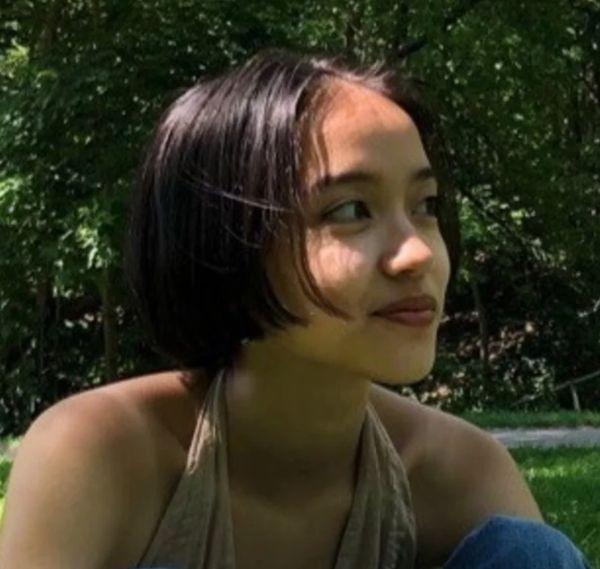
Laia Bent @laiabent
I am a 3rd-year undergraduate at Stanford studying Marine Conservation and Studio Art. Originally from Beijing, I’m now based in northern Ontario and the Bay Area. I make multidisciplinary installations, merging interactive digital media, sculpture, and chemical/biological/electronic tools to uncover hidden material entanglements. I use natural processes as a medium - our universe consists of microcosms within microcosms, with infinite human truths hidden in the dirt if we simply look close enough.
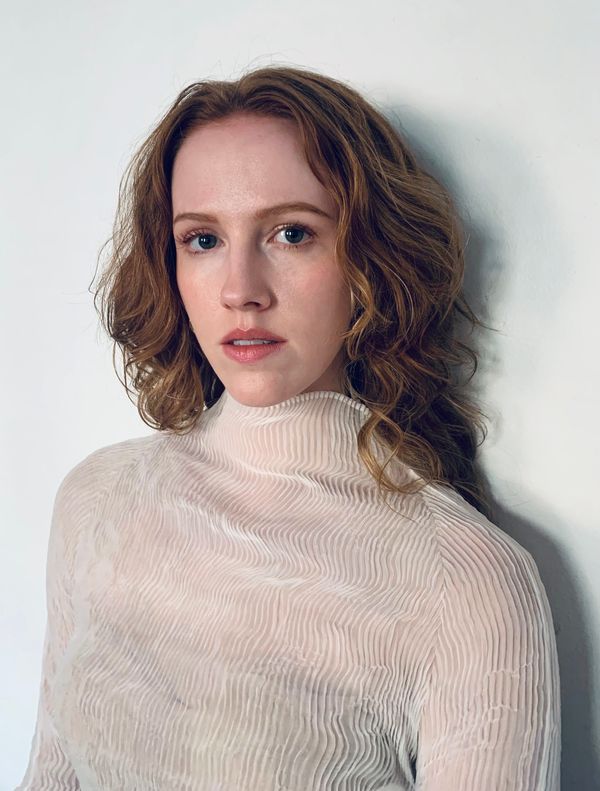
Remina Greenfield
Remina Greenfield is Director of Research at Anicka Yi Studio, where she leads research for projects ranging from kelp sculptures to autonomous floating machines to paintings made through machine learning. She has contributed to exhibitions such as ÄLñ§ñ at Gladstone Gallery, Metaspore at Pirelli HangarBicocca, In Love With The World at Tate Modern, and Yi’s works for the 58th Venice Biennale. Remina holds an MFA in Design and Technology from Parsons School of Design where she has taught in the graduate and undergraduate departments. She has written for The New Inquiry, Technoetic Arts Journal, Heichi Magazine, and Biodesigned, among others.
Statement: If metabolism is a positive set of life-sustaining chemical reactions, the conversion of material into energy and energy into material, what might be its shadow consequences? Decompose Institute (artist duo composed of Remina Greenfield and Shuyi Cao) renders the constructive and destructive aspects of metabolism visible in sculpture, video projection, and holograms that negotiate aesthetics and critique the anthropogenic era while acknowledging that beyond the tangible object, art exists in a network of living relations. The work of Decompose Institute features organic, chemical, and algorithmically simulated microbial life as active agents in systems of fermentation and decay. On the microbial scale, fermentation and decay are the same process; both involve populations of microbes growing and metabolizing. From the human perspective, fermentation generates something greater than the constituent parts, as when honey and water become mead, while decay unmakes a thing so that the elements are less than the whole. Fermentation creates; decay, a shadow of metabolism at the microbial scale, dismantles.
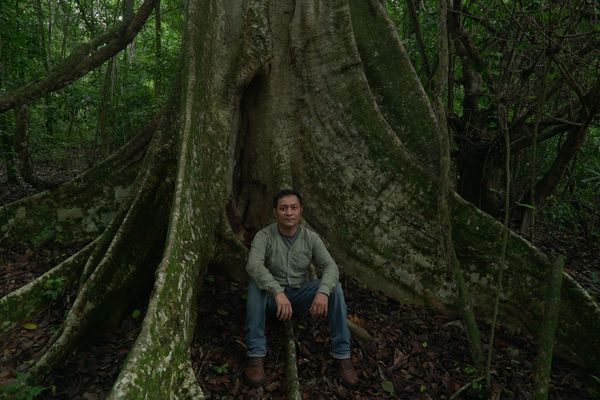
Robin Canul @robincanul
Robin Canul (Campeche, 1985) es fotógrafo documental de largo aliento y artista multidisciplinario. Se enfoca en temas relacionados a los derechos humanos y medio ambiente. Ha colaborado para diversos medios y organizaciones internacionales como AJ+ Español, Brut, Liberation de Francia, Climete Home, Brut, Revista ECOS, Mongabay, Pie de Página, Revista Gatopardo, Goldman Prize, Greenpeace, entre otros. Actualmente forma parte del movimiento cultural Narrativas desde la Mayanidad y el colectivo Sak Bej.
Statement: U Noj k'áak'il t'aan (El gran fuego de la palabra) es un dispositivo que incita a la vida contemplativa y un recorrido por los paisajes sonoros de los ecosistemas del territorio maya peninsular. El banquillo es un objeto utilitario, un mueble de madera cuyos usos están ligados a la transmisión de saberes y al cuidado de las infancias. Es un dispositivo destinado a avivar el fuego de la memoria. Resignificar este asiento, invita a experimentar el proceso de desnacer a través de alcanzar una edad adulta que obliga a los cuerpos a recibir cuidados similares a los de la primera infancia (Early childhood).
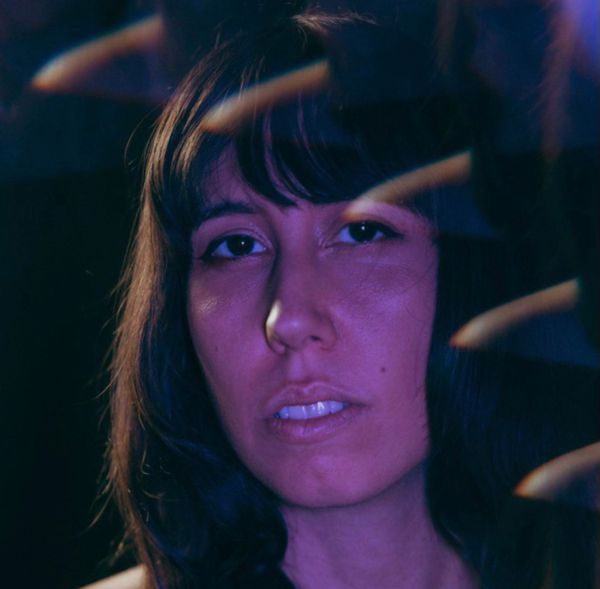
Tiare Ribeaux @tiareribeaux
Tiare Ribeaux is a Kānaka ‘Ōiwi filmmaker and creative producer based in Honolulu, Hawai‘i. Her films disrupt conventional storytelling methods by employing magical realist explorations of spirituality, labor, and the environment to critique both social and ecological imbalances. Her films use components of speculative fiction and fantasy to reimagine both our present realities and future trajectories of healing, queerness, lineage, and belonging. Ribeaux’s work traverses between the mundane and dreamworlds - creating stories around transformation and how our bodies are inextricably linked to land and water systems. She integrates immersion within community, personal/ancestral narratives, and Hawaiian cosmology into her films. Born and raised on O’ahu, and having lived for many years in the Bay Area before moving back home to the islands, she is interested in telling stories that include contemporary way-finding and resilience within the Kānaka diaspora. Her work often combines with installation elements to create immersive and expanded media experiences. Outside of film festivals, she has shown her work at galleries and museums - in single-channel formats, multi-channel, live cinematic performances, and augmented reality. She has shown work both nationally and internationally, and has won numerous grants and awards for her artistic leadership including the NDN Radical Imagination Grant, the Native Lab Fellowship and Indigenous Film Fund from Sundance, two New and Experimental Works Grants from the Kenneth Rainin Foundation, the Building Demand for the Arts Grant from the Doris Duke Foundation, the Citizen Diplomacy Action Fund from the U.S. Department of State’s Bureau of Educational and Cultural Affairs, the Zellerbach Family Foundation, and the Center for Cultural Innovation, among others. She has given guest lectures at conferences and universities including ISEA, Stanford, UC Berkeley, SFAI, SJSU, and the school of ATEC at UC Dallas. She founded B4BEL4B Gallery in Oakland in 2014 as a platform and community space to prioritize underrepresented + queer artists in media arts, where she served as Artistic Director for 8 years. She has curated and produced various media arts and performance festivals including the Soundwave Biennial and the Codame Festival, and co-founded Refresh Art + Technology as a collaborative and politically engaged platform for art, science and technology in 2016. She taught international multimedia arts workshops in Kyiv, Ukraine (2018) as part of the American Arts Incubator and Dunedin, Aotearoa, New Zealand (2023) as part of Leonardo’s Cultural Impact Lab. She has screened her films at museums such as the MoMA, the National Gallery, the Hammer Museum, BAMPFA, the de Young Museum, the Asian Film Archive; as well as at the Jean Cocteau Theater, the Imagine Science Film Festival, the LA Asian Pacific Film Festival, CAAMFest, the Imagine Science Film Festival, the Hawai'i International Film Festival, and others.
Curator
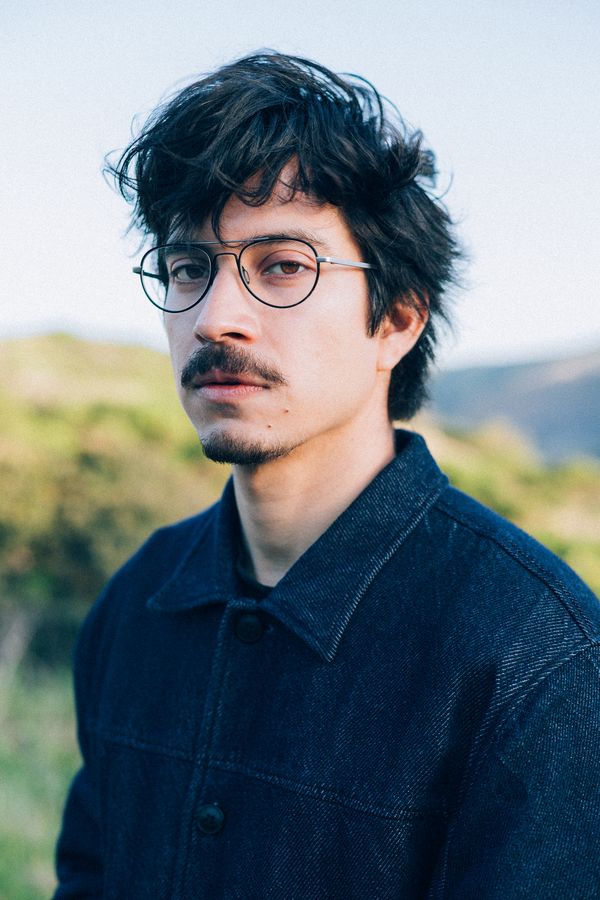
Miguel Novelo @xmiguelnovelo
Novelo, focuses on emerging media and community organizing—currently working on algorithmic movies ☄️, technoshammanic installations 👻, thermodynamic hypnotism, and friendly computer viruses🫠. Novelo earned a Bachelor of Fine Arts from the San Francisco Art Institute in 2018, followed by a Master of Fine Arts from Stanford University in 2022. His work has been exhibited at various institutions, including the de Young Museum, the Stanford Institute for Human-Centered Artificial Intelligence (HAI), the Museo Universitario Arte Contemporáneo (MUAC) in Mexico City, and numerous international film festivals. Currently a lecturer at Stanford Art and Art History Department and San Jose State University.
Statement: My art is technoshamanic, combining emerging technologies and indigenous knowledge—translating matter/energy/ghost/machine into access to the non-human perspective. I make systems/rituals/myths. I embrace mistranslations, uncertainty, simulations, and novelty. I depict systems, ins and outs. I create scenarios in which avatars and characters reimagine our perception of the world. Preach, listen, and invoke change. I utilize world-building, emerging media, and humor to generate myth, dialogue, and experience. I long for status-quo earthquakes, work with the unexpected, dance with data, feel ecological grief, and become non-human. In my work, I make machines that allow me to move like a bat, be judged by a pelican, and confess to an asteroid. Using humor, serious play, and absurd interactions as communication tools, I invite the audience to engage in non-human perspectives and speculative futures through nonsense possibilities. I ask the audience to multi-state sights, to challenge static perspectives. I practice interdisciplinary, research-based art through time-based new media, generative digital art, game engines, expanded cinema, participatory performance, interactive sculptures, and poetry. I focus on the intersection of geopolitical and cybernetic spaces—creating bridges between characters, landscape, and experience. My work is inspired by eco-horror storytelling/video game development, biofeedback user interfaces / object-oriented ontologies, geology studies, animal communication, and computer science. I want to become an active shaker in media ecology, create my own language, and make machines that give us access to alternative realities; I strive to make living art, an ever-changing, never-done process.
 https://www.120710.art
120710.art 1207 Tenth Street
Berkeley, CA 94710