Curating AI
Curated by Claudia Bloom, Joshua Bloom, Steve Lomprey
- Ahna Girshick
- Brett Amory
- Carl Bass
- Claudia Bloom
- Elle O Hill
- Greg Niemeyer
- Joel Simon
- Luke Dzwonczyk
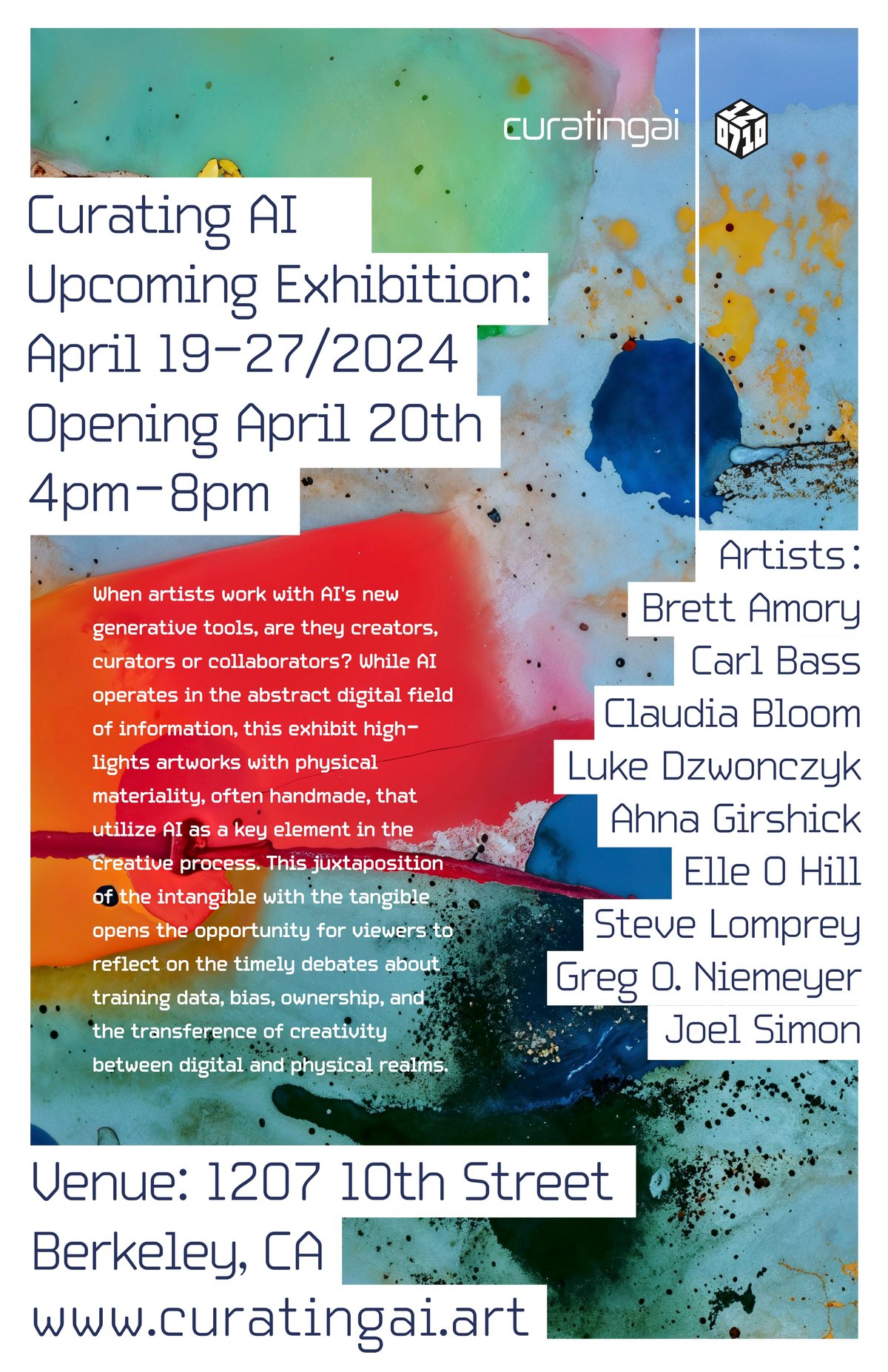
When artists work with AI's new generative tools, are they creators, curators or collaborators? While AI operates in the abstract digital field of information, this exhibit highlights artworks with physical materiality, often handmade, that utilize AI as a key element in the creative process. This juxtaposition of the intangible with the tangible opens the opportunity for viewers to reflect on the timely debates about training data, bias, ownership, and the transference of creativity between digital and physical realms.
Works
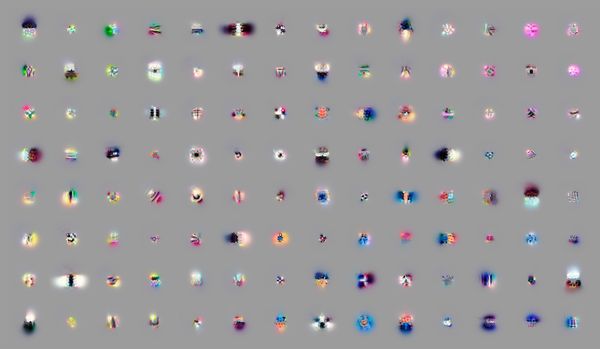
Ahna Girshick
Convolutions (112 synthetic neurons from Inception v1, inception layer 3a), 2024
Archival pigment print on dibond panel, custom software
42.5 × 71.75 × 2 in
Price on Request
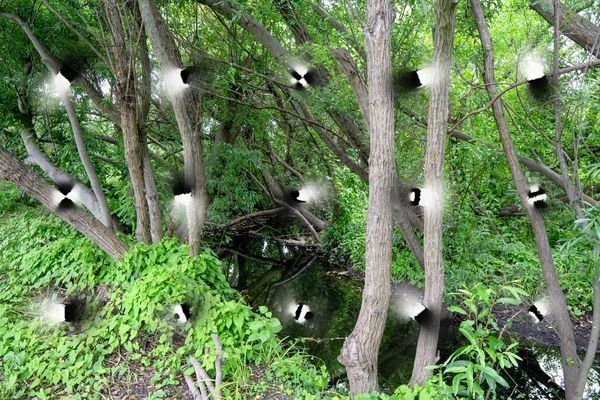
Ahna Girshick
Machine Seeing Tree, West Berkeley, II, 204
Archival pigment print, custom software.
17.75 × 26.5 in
Price on Request
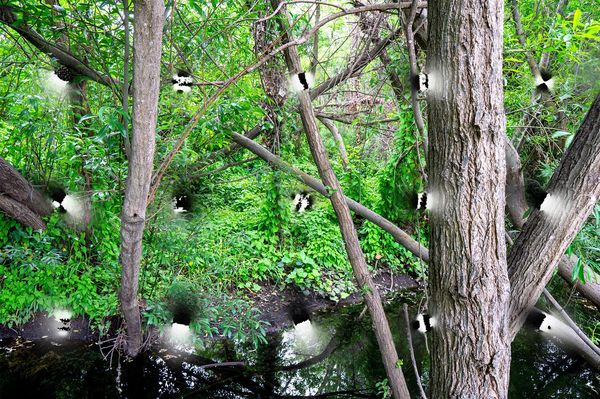
Ahna Girshick
Machine Seeing Tree, West Berkeley, III, 2024
Archival pigment print, custom software.
17.75 × 26.5 in
Price on Request
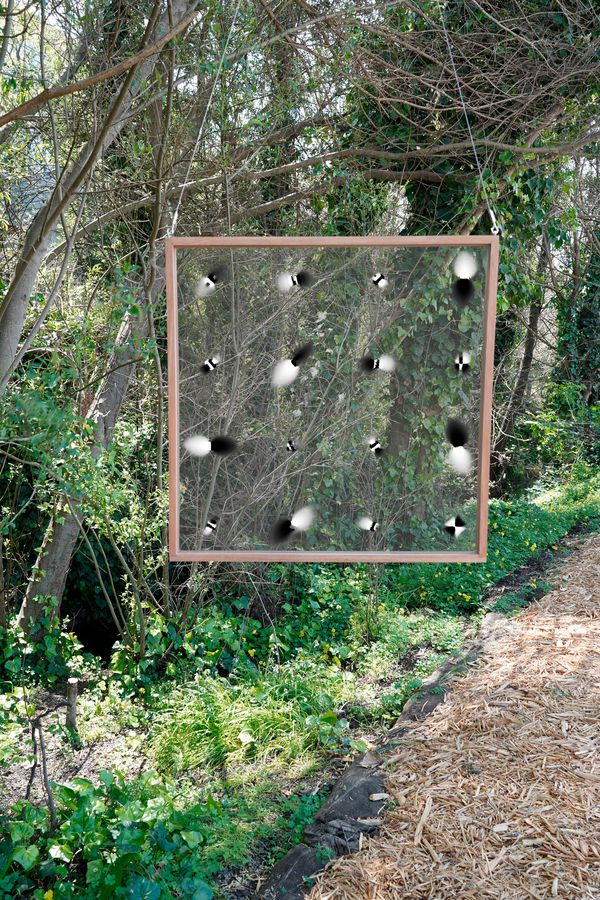
Ahna Girshick
Window of Perception (16 neurons from AlexNet, convolutional layer 1), I, 2023
UV ink print on UV-resistant acrylic, custom wood framing, custom software
31 × 31 × 1.5 in
Price on Request
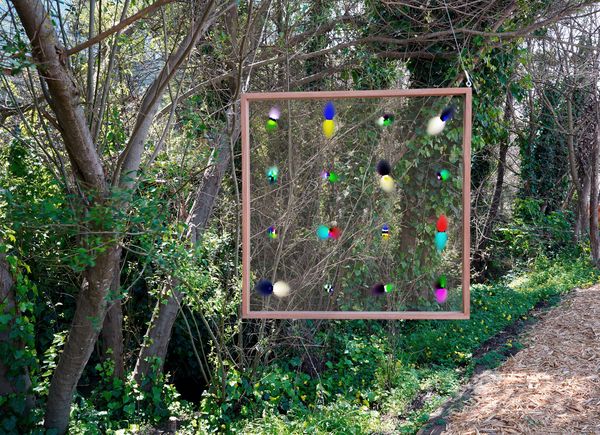
Ahna Girshick
Window of Perception (16 neurons from AlexNet, convolutional layer 1), II, 2023
UV ink print on UV-resistant acrylic, custom wood framing, custom software
31 × 31 × 1.5 in
Price on Request
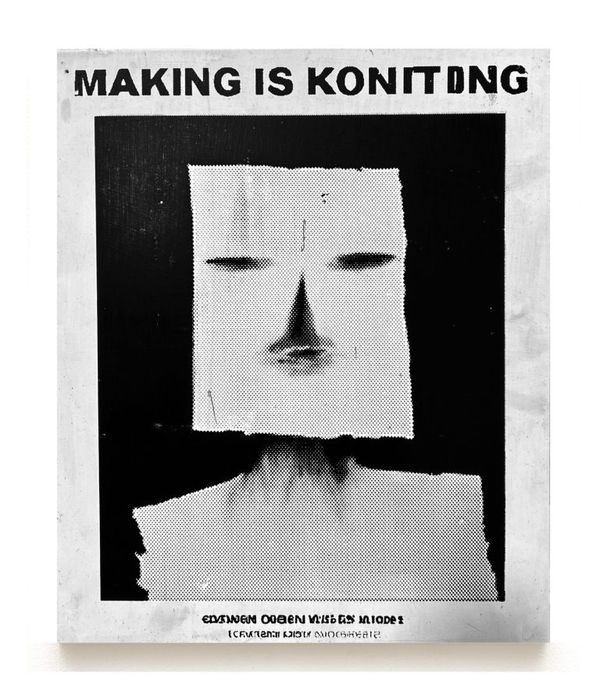
Brett Amory
Making is Konitong, 2023
ink on wood
16 × 20 in
$1,000
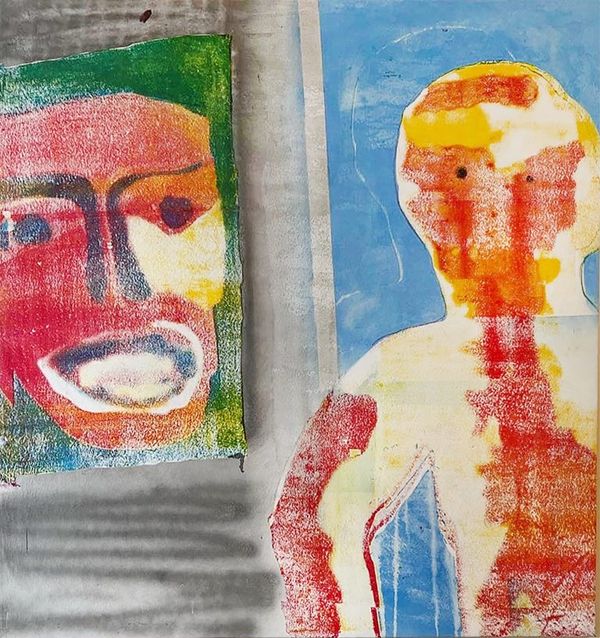
Brett Amory
Meno Head, 2022
oil and ink on canvas
42 × 48 in
$8,500
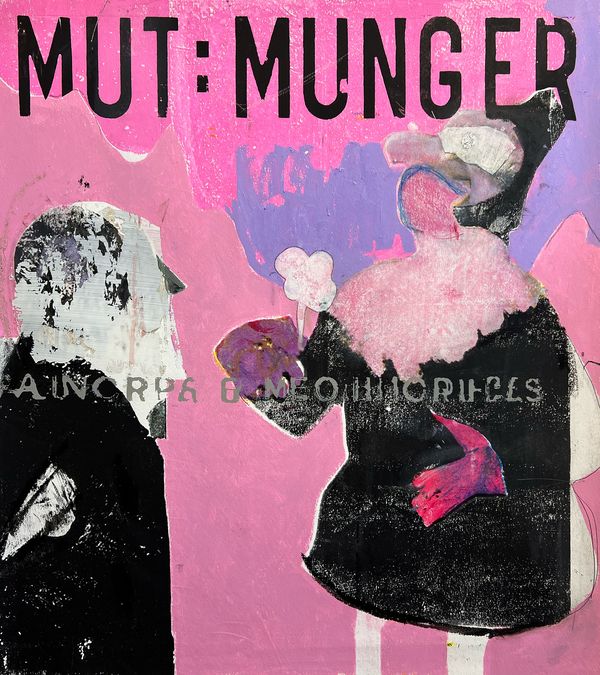
Brett Amory
Mut Munger, 2023
oil and ink on canvas
42 × 48 in
$8,500
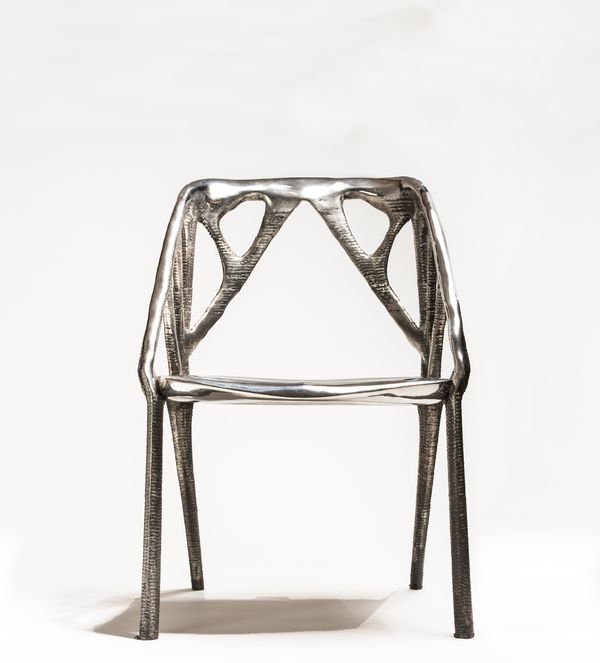
Carl Bass
Elbo chairs, 2015
3D printed stainless steel
28 × 28 × 36 in
Not For Sale
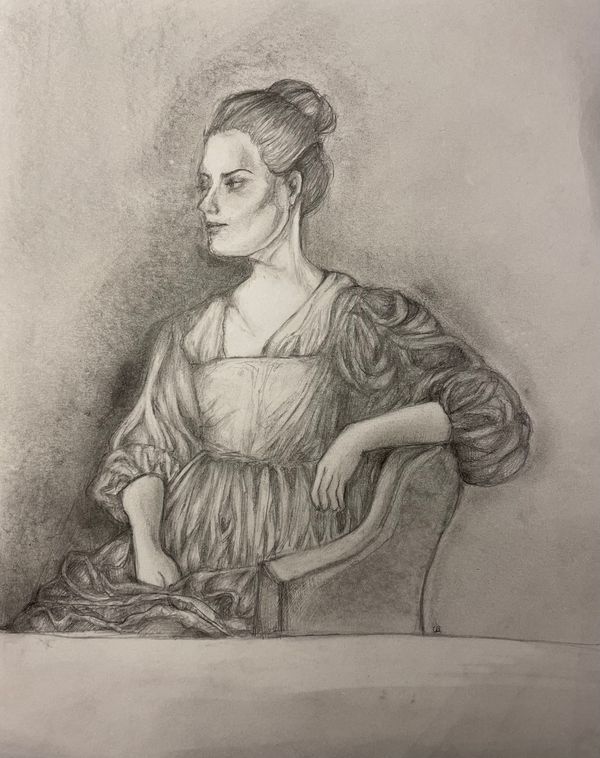
Claudia Bloom
Conversations, 2024
Digital print
11.5 × 9.5 × 0.5 in
Not For Sale
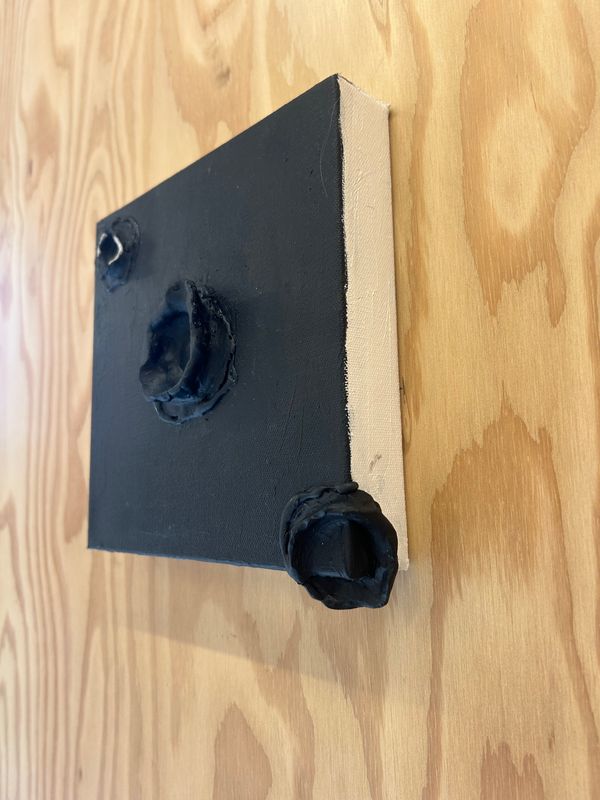
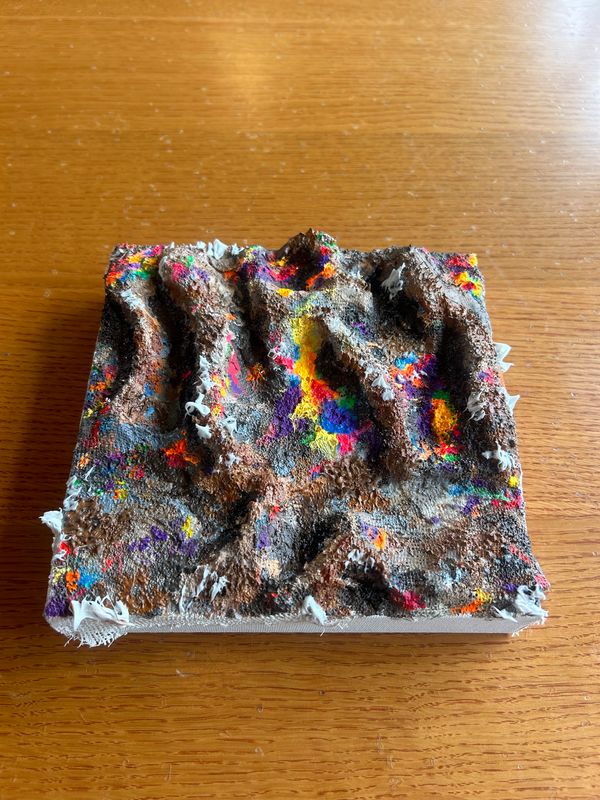
Elle O Hill
The Boring (It Feels 4 of 4), 2024
mixed media (clay and acrylic)
$550
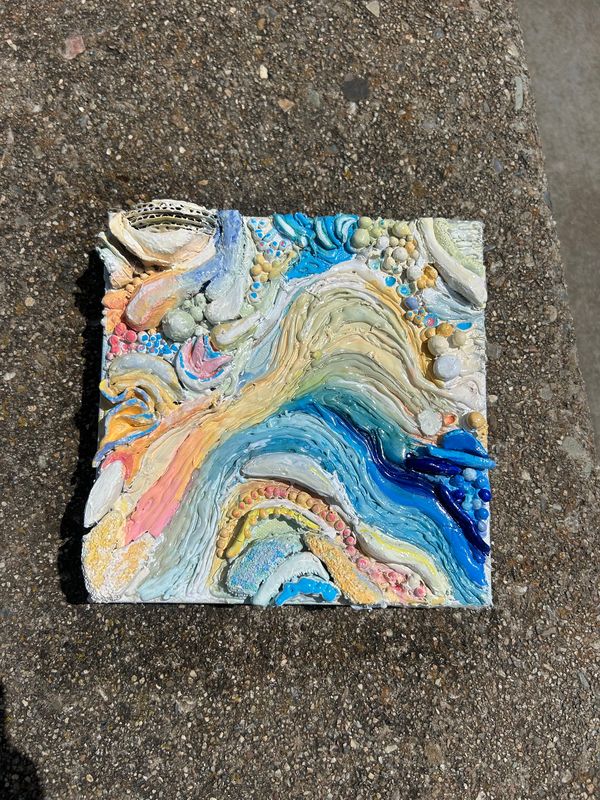
Elle O Hill
The Disdain (It Feels Piece 2 of 4), 2024
mixed media (paint, glue, thickening medium)
$550
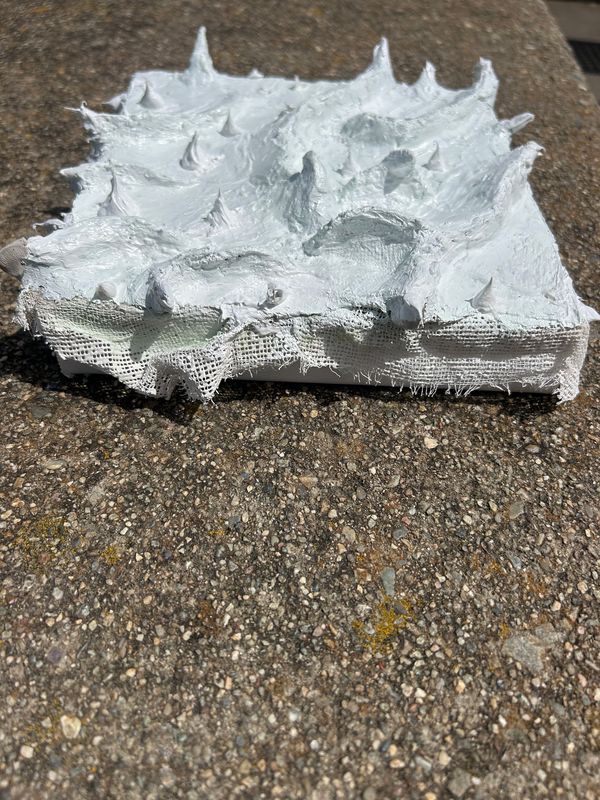
Elle O Hill
The Want (It Feels Piece 1 of 4), 2024
mixed (acrylic paint, air dry clay, cardboard, hot glue, fur, ect)
$550
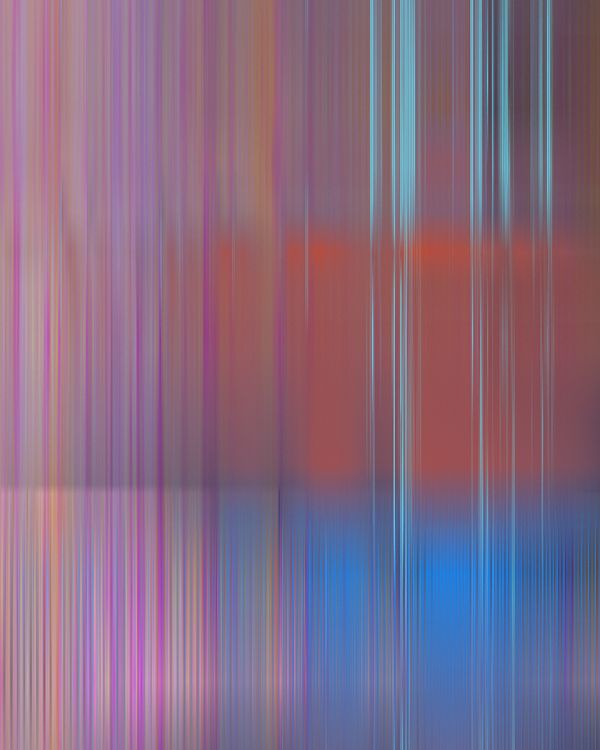
Elle O Hill
The Weird (It Feels Piece 3 of 4), 2024
mixed media
$550
Greg Niemeyer
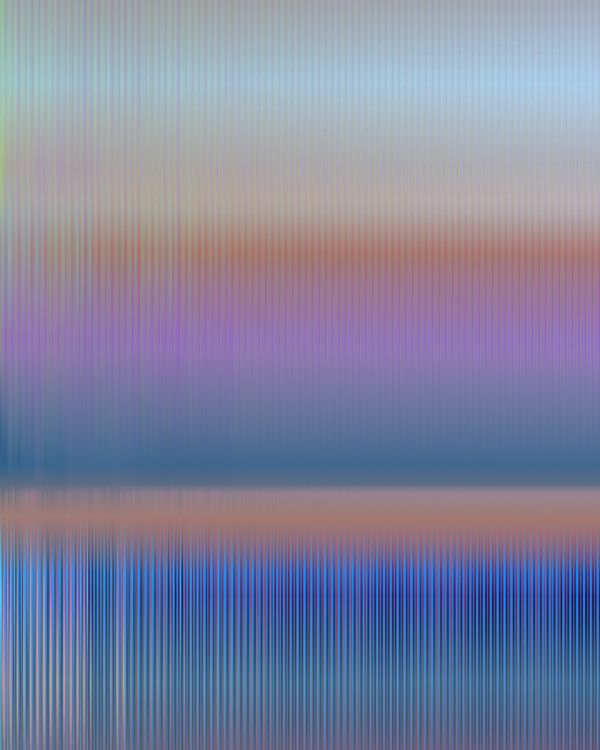
Sacramento River (Difference, Winter 2023), 2024
data, code, archival digital print, laser-etched glass
Price on Request
Greg Niemeyer
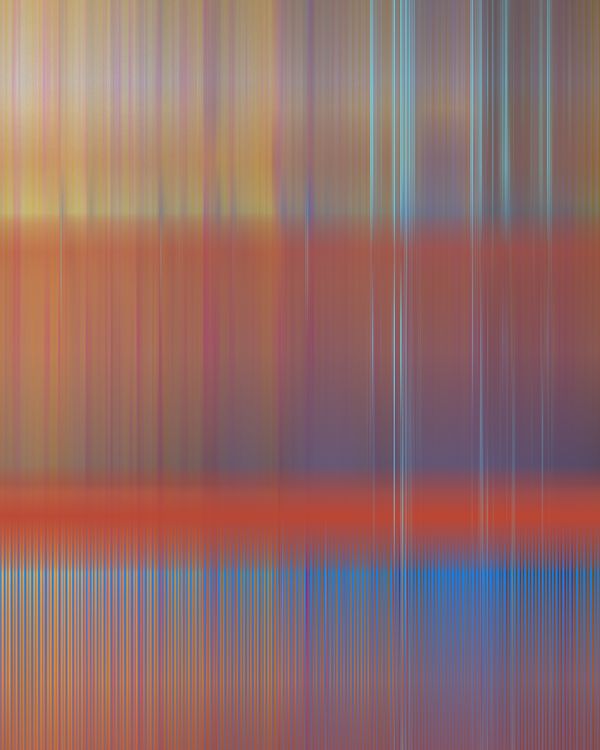
Sacramento River (Forecast, Winter 2023), 2024
data, code, archival digital print, laser-etched glass
Price on Request
Greg Niemeyer
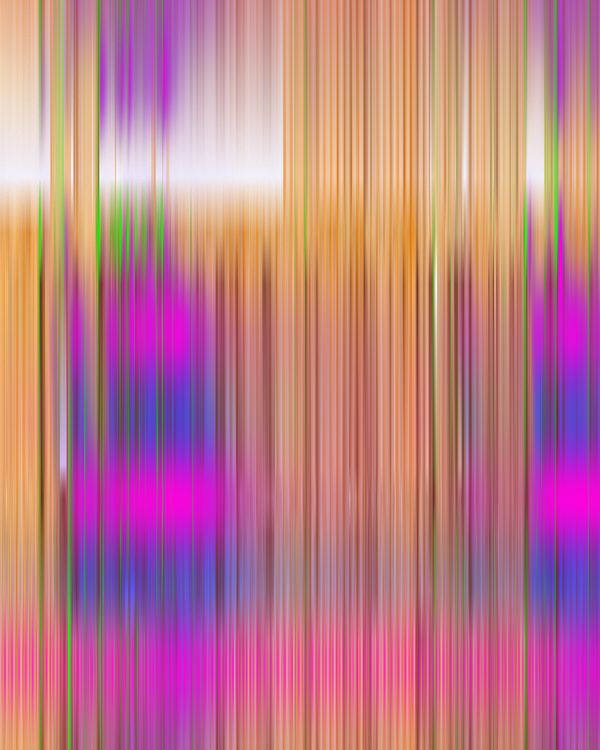
Sacramento River (Measurement, Winter 2023), 2024
data, code, archival digital print, laser-etched glass
Price on Request
Greg Niemeyer
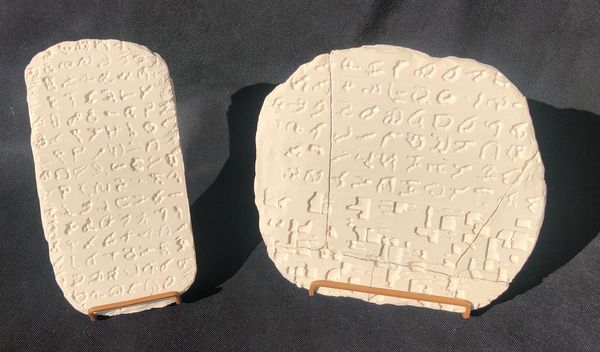
Sacramento River (Study), 2024
data, code, archival digital print, laser-etched glass
Price on Request
Joel Simon
Dimensions of Dialogue, 2019
Ceramic, GAN's
8 × 12 × 24 in
Price on Request
Luke Dzwonczyk
La Nuit Sauve, 2022–2024
A sound-only version of a multi-channel video installation
Not For Sale
Artists
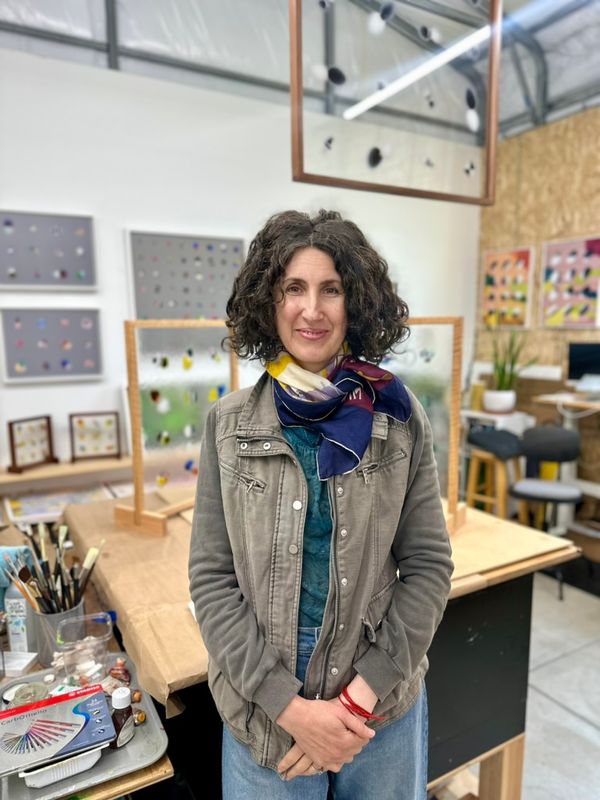
Ahna Girshick @ahna_girshick
Ahna Girshick is an interdisciplinary artist and research scientist who investigates the idea of a primal universal visual language that connects humans, machines and nature. She holds a PhD from UC Berkeley in Vision Science, and was a postdoctoral fellow at NYU. In 2010-13, she created interactive musical data visualizations in collaboration with Philip Glass and Scott Snibbe that have been exhibited at the Museum of Modern Art (NY), The Contemporary Jewish Museum (SF), and The Barbican Centre (London). More recently, her experiments in perception have exhibited through Southern Exposure (SF), Ely Center for Contemporary Art (New Haven), 120710 (Berkeley), and University of California School of Law (San Francisco), and in the White Columns registry (NY). She lectures in UC Berkeley’s Cognitive Science program on shared illusions in human and machine perception, and has recently given public talks at The Commonwealth Club of California and The Internet Archive’s Intersection of Art and Technology salon.
Statement: At the core of our perceptual experiences lies the search for pre-determined visual patterns — archetypal forms learned by both human or artificial brains — which both optimize and bias perception. I imagine the experience of looking through the eyes of an AI and wonder about intermediate interior states never seen by humans. Using algorithms, paint, photography and installations, I use overlays of synthetic neurons to ask the viewer to reflect on the internal opaque processes of both AIs and humans. To look through one of my “Windows of Perception” is to experience the initial moment of AI visual perception — the scanning for simple edges and forms — machine-learned forms that reference visual bias in its primal form. Each transparent window is painted with the initial visual filters in AI vision, revealing AI’s otherwise opaque technical processes and reflecting on their interconnection with human vision. “Cabinets of curiosities” emerged in the 16th century as means to systematically organize and preserve an era’s scientific learnings. In my “Convolutions” series I collect the technological specimens of our time: Synthetic neurons that have attuned themselves to the visual fragments found in millions of Internet photos. Landscape imagery is the original “training dataset” for human vision and, indirectly, training input for AIs as they seek to mimic human vision. In my “Machine Seeing Tree” photos I contemplate how machines see the natural environment through overlaying synthetic neurons, reminiscent of bullet holes — constant reminders of the ubiquitous AI-processing of our lives’ pixels.
Brett Amory @brettamory
Brett Amory is an interdisciplinary artist whose practice is rooted in the intersection of quotidian and habitual engagements with the everyday world. Working primarily in painting and installation, he explores unnoticed moments and how digital technology reshapes them. Through his art, Amory navigates the complex relationship between the physical and digital, highlighting both the connection and disconnection inherent in contemporary life. Amory’s work has been shown nationally and internationally, including at the National Portrait Gallery, London; the Scottish National Portrait Gallery, Edinburgh; the Fort Wayne Museum of Art, Indiana; and the Contemporary Jewish Museum, San Francisco. He was an artist in residence at San Francisco’s de Young Museum in 2017. Amory received an MFA from Stanford.
Statement: "Error 401: Invalid Authentication” looks at the numerous aspects of artificial intelligence's impact on language and communication. This work juxtaposes familiar and unfamiliar elements, illuminating the mechanisms of AI algorithms and the intrinsic randomness of digital landscapes. Within the context of human-computer interaction, our virtual representations serve as a fusion of our actual and aspirational selves, effectively concealing our true identities. The themes manifest through the distorted humanoid forms, raising significant questions regarding authentic identity within the digital realm. Furthermore, the artwork serves as a mode of communication and promotion for the elusive and abstract, highlighting the inherent uncertainty and complexity of the era of artificial intelligence. Coupled with unsettling aesthetics, such enigmatic visual language underscores the prevalent discrepancies and misinterpretations in contemporary digital interactions. Technology is in a constant state of evolution, continually intertwining the past with the present and the silent with the clamorous, resulting in a dynamic interplay between an individual's understanding of their own identity and that of others.
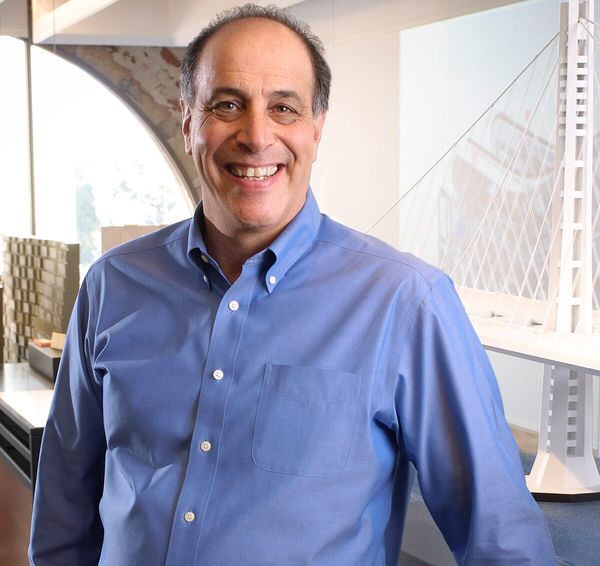
Carl Bass @carl.bass
Carl Bass was born and raised in New York City. He attended Cornell University where he took 10 years to get an undergraduate degree in math. About half of those ten years was spent designing and building things and working as a whitewater river guide. After college, Bass started a software company called Flying Moose Systems and Graphics Ltd, which was later renamed Ithaca Software and eventually sold to Autodesk. Bass spent much of his career at Autodesk in a variety of roles working on computer graphics, animation and modelling software. Bass retired in 2018 to pursue his interests in designing and building software and physical artifacts
Statement: I am mainly interested in exploring various forms and the relationship between computers and art. About ten years ago, I was working with a group of people and we imagined how art and design could change as the cost of computing fell dramatically and there was infinite computing available to explore new ideas. The three chairs in this exhibition were the result of generative software we wrote. We were interested in seeing if we could use this software to generate new forms rather than merely document old ones.
Claudia Bloom
Claudia is a Berkeley artist who has published an editorial cartoon series “On Line” in the Berkeley Times and illustrations in the BHS Jacket newspaper. She was awarded the 2023 Silver Key award in painting from the Scholastic Art & Writing Awards. She is a senior at Berkeley High School and the president and founder of the Philosophy Club.
Statement: In Conversations, a physical and metaphorical dialogue between AI and human ensues as the process of prompting (inputting desired image outcome into AI platform), recreating (manually drawing the AI image), and clipping (converting the produced art into a written prompt) repeats. In blending the capabilities and creativity of the AI and the human artist, Conversations aims to explore AI being implemented as a legitimate tool and a springboard for creativity, rather than a competitor. Further, the series of works delves into the question of whether algorithms can possess 'creativity.' Does the validity of “AI creativity” allude to a uniquely human creativity?
Elle O Hill @elleodesigns
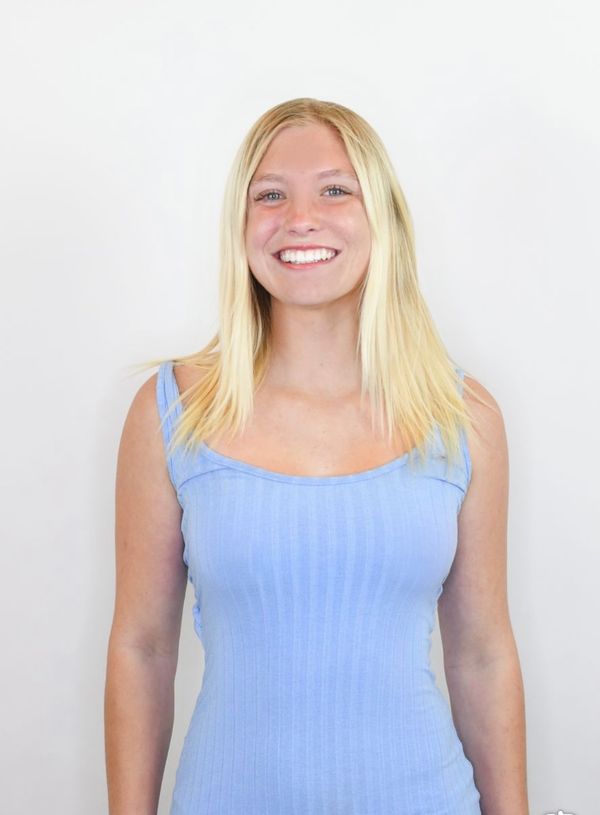
Elle O Hill is a mixed media artist creating immersive works that explore the intersection of human perception and digital realities. She challenges the conventional notion of art as a static medium, offering instead a dynamic counterexample that invites viewers to embrace a more fluid, imaginative perspective. A messy, vibrant “maker”, O Hill has tried her hand at every medium, from acrylic painting to sculptures to engineered installations. O Hill grew up in the artistic enclaves of Laguna Beach and The Ojai Valley, and her childhood there, as well as her current residence in the vibrant city of Berkeley, has deeply influenced her work. As a student at UC Berkeley, she delves into the realms of cognitive science and product design. She is interested in pursuing a career at the intersection of art and technology. Through her art, Elle O Hill embodies the innovative spirit, pushing the boundaries of what art can be in the digital age.
Statement: Prompting Open AI’s DALL-E to imagine it has the ability to feel and the desire to touch, Elle O Hill transforms digital creations into intricate, physical pieces designed to create a unique tactile experience for participants. It Feels explores how an AI language model conceptualizes the “abstract” topics of feel, touch, and experience that manifest very concretely for humans. O Hill asked the AI model a series of open-ended image generating questions all beginning with the prompt: imagine you as an AI model had the ability to touch and feel. What does DALL-E desire or not desire to touch? What does it determine feels "weird"? How do AI tools interpret sensations and touch when they have no basis for understanding physical experiences? Elle O Hill provides a physical representation of this uncanny interpretation of touch using art. The pieces invite visitors to engage with the art through touch and explore the sensations for themselves, breaking down the boundaries between the viewer, the art, and the AI.
Greg Niemeyer @gregniemeyer
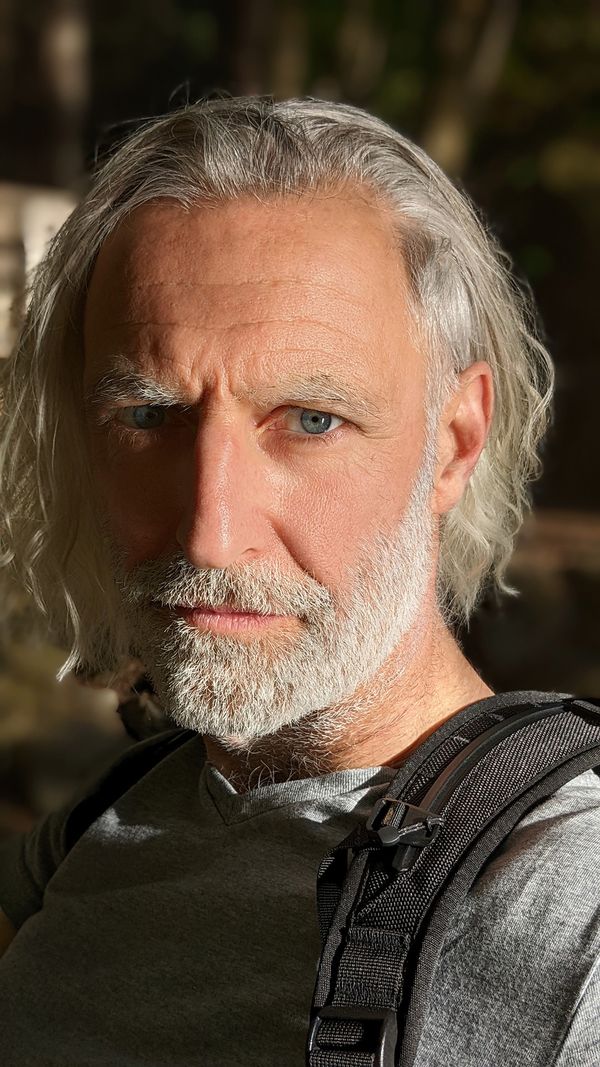
Greg Niemeyer is a data artist and Professor of Media Innovation in the Department of Art Practice at UC Berkeley. He's the former director and co-founder of the Berkeley Center for New Media. He started out with studies in Classics and Photography in Switzerland and switched to new media when he moved to the Bay Area in 1992. He received his MFA from Stanford University in New Genres in 1997. Since childhood, Niemeyer was fascinated with making mirrors, and he still makes mirrors: media which allow us to see things from a new point of view, a point of view that is not our own, revealing both things we want to see and things we don't want to see. We need such mirrors, he maintains, to make better decisions about our lives in context with other humans and with the fragile environments we depend on. Niemeyer exhibited around the world at ZKM, SFMOMA, San Jose, Amsterdam, Cairo, Zurich, New York and received grants from the MacArthur Foundation, NEA, Intel, Pro Helvetia and many others. Notable works include icecorwalk.org, Tsar Bell, Oxygen Flute, Network Paradox, Quantopia and the most recent Water Panoramas.
Statement: Greg Niemeyer presents his most recent endeavor, "Sacramento River Paradox". He states that globally, overcapitalized regions extract more than their fair share of resources from undercapitalized regions. Water, the most vital resource after air, is no exception. Most residents in these regions go to bed thirsty every night, only to face a new fight for water in the morning. Conversely, most residents in overcapitalized regions need only take minimal notice of where their seemingly inexhaustible water supply comes from (so far). With the "Sacramento River Paradox" Niemeyer seeks to direct our attention to the awesome Sacramento River, which quenches the thirst of 1/3 of all California residents, grows their food, and washes their bodies. In a set of three images, Niemeyer visualizes the river's flow and water level throughout the Winter 2023 season. Flow and level are the result of snowmelt, temperature, wind and rainfall, connecting the most remote regions of California with the most densely populated urban centers. The images show this data through novel data visualizations. The left image in the triptych shows an AI forecast, the right image shows actual measurements, and the middle image shows the difference between the two. These nuanced representations of what we think will be and what actually is direct our attention to the life of the Sacramento River, the vital resource in our midst. He intends for the images to serve as a portal of respect and gratitude for what lifelines the Sacramento River throws us every day. Only solid respect for local resources can inform equal respect for similar resources in other regions around the world.
Joel Simon @joelsimonart
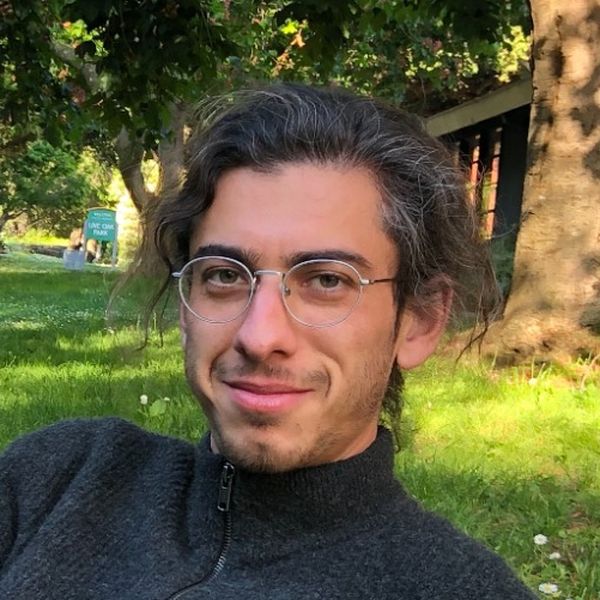
Joel is a multidisciplinary artist, toolmaker, and researcher based in Berkeley. He is currently in residence at Stochastic Labs and is the founder and director of Morphogen, a company that transforms new machine learning technologies into playful and accessible creative tools. He is the creator of Artbreeder, a massively collaborative, machine learning/artist interface. Previously, he conducted bioinformatics research at Rockefeller University and studied computer science and art at Carnegie Mellon. His works have been featured in numerous exhibitions, conferences, and press outlets, including Ars Electronica, NeurIPS, and Science Friday.
Statement: I am interested in creating new metaphors for interacting with technology, aiming to enhance our ability to think and create in novel ways. How can computation meaningfully augment our creative processes and enable us to imagine the previously unimaginable? To explore this question, I develop artificial life simulations, machine learning tools, and massively online collaborative social networks. My work has been applied in various domains, including generative architecture, AI imagery, creative social networks, and tools for fighting gerrymandering. My experiments and artworks are motivated by the beauty of emergent systems observed in nature and the creative process.
Luke Dzwonczyk
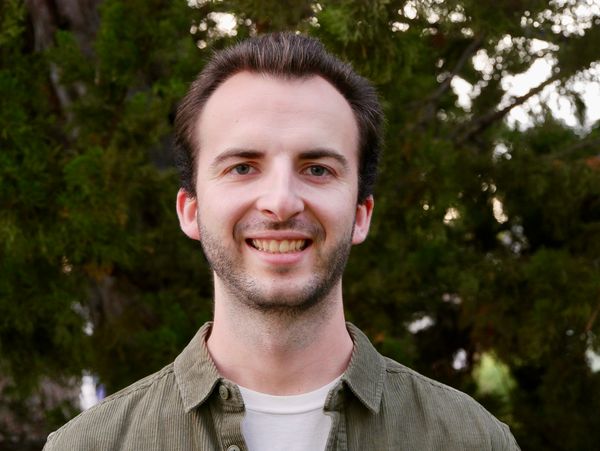
Luke Dzwonczyk is a composer and technologist whose work is centered on engaging emerging technologies with music creation and performance. Currently he is pursuing a Ph.D. in Music at UC Berkeley. He has applied his technical and creative skills to a variety of projects and collaborations in the Berkeley community and abroad, including work with dancers, singers, and visual artists. Recent work includes applying generative machine learning processes for music visualization.
Curators
Claudia Bloom
Claudia is a Berkeley artist who has published an editorial cartoon series “On Line” in the Berkeley Times and illustrations in the BHS Jacket newspaper. She was awarded the 2023 Silver Key award in painting from the Scholastic Art & Writing Awards. She is a senior at Berkeley High School and the president and founder of the Philosophy Club.
Statement: In Conversations, a physical and metaphorical dialogue between AI and human ensues as the process of prompting (inputting desired image outcome into AI platform), recreating (manually drawing the AI image), and clipping (converting the produced art into a written prompt) repeats. In blending the capabilities and creativity of the AI and the human artist, Conversations aims to explore AI being implemented as a legitimate tool and a springboard for creativity, rather than a competitor. Further, the series of works delves into the question of whether algorithms can possess 'creativity.' Does the validity of “AI creativity” allude to a uniquely human creativity?
Joshua Bloom
Steve Lomprey @stevelomprey
Steve Lomprey is a multimedia artist. He founded Carbon Based Projects in order to serve and expand innovative and culturally impactful creative work across many different platforms. From developing TV Series projects to creating new experimental art platforms and everything in between. He is currently developing a TV series called REAL FICTIONS. Steve is also the Founder/CEO of The New Narrative Project. The New Narrative Project is a prototype media platform designed to map, present, and define new contexts for thinking. The essential goal is to create experiences that communicate points of view that are rarely articulated and that may seem startling in comparison to what is normally presented through conventional media channels. What this work will broadly introduce is an overview effect that recontextualizes our place in the world by reimagining our collective possibilities. Steve has a painting studio in Montclair, CA where he produces mixed media abstractions. His work has sold to commercial and residential clients, and has exhibited his work at the SFMOMA Artists Gallery, The SF Fine Art Fair for Modern and Contemporary Art as well as the Los Angeles Art Show in Los Angeles, CA
Statement: LIVING ROCK is the first prototype painting from my ALIEN LANDSCAPE SERIES. General Statement: How will using AI to generate paintings effect the way they are going to be interpreted and perceived as we go into the future? Are the legacy models of history, biography, and critique still applicable and relevant in terms of circumscribing the language surrounding these new domains? There is also the pure digital materiality of language models that produce images, in the sense that they effectuate a fundamental unit and basis for production. In the past it was canvas, pigment, brushes, and wood. Now we have the non-physical materiality of digital tools. This first series of paintings are examples of the most direct and unaltered outputs. New visual languages of non-human or human collaborations will thrust us into novel visual and philosophical territories. This show is a way to make manifest some of the nascent possibilities of a life changing emergent technology.
 https://www.120710.art
120710.art 1207 Tenth Street
Berkeley, CA 94710