Far away is NOW
Curated by Francis Baker
- Alicia Escott
- Brett Amory
- Charlotta Hauksdottir
- Francis Baker
- Hughen/Starkweather
- Lisa Kairos
- Richard Lang and Judith Selby Lang
- Ron Moultrie Saunders
- Stacey Goodman
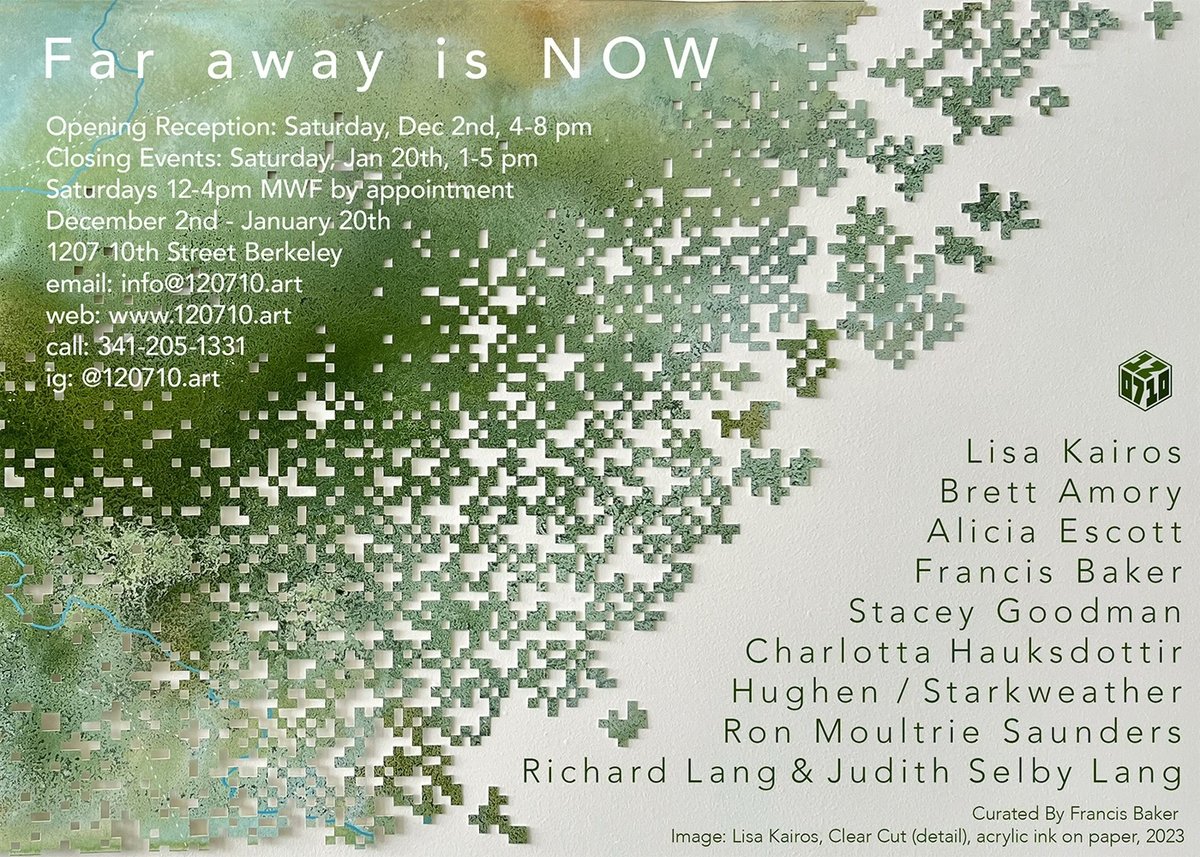
"Far away is NOW" presents a poignant exploration of the challenges exacerbating the climate crisis. This exhibit showcases an emotive collection of works across diverse media, delving into urgent concerns such as record-breaking heat, rain and fire occurrences, the plastic consumption crisis, and the profound impact of human infrastructure on the environment. In addition, the exhibit provides insights into the intersection of Al with our comprehension of information and self-perception. In an era increasingly defined by extreme weather and environmental crises, "Far away is NOW" invites viewers to confront the reality of the Anthropocene —the era of significant human impact on the Earth's geology and ecosystems. The exhibition brings together a diverse array of voices spanning over a 40-year age difference among participants. This diverse assembly not only amplifies the multifaceted nature of experiences but also underscores the essence of intersectionality in addressing climate change. Illuminating how various social identities -such as race, gender, age, and socio-economic status - intersect and compound. "SOOT" by Stacy Goodman, serves as a reminder of the inequality inherent in climate change impacts. Goodman's work emphasizes how geographical location significantly dictates the quality of the air we breathe. Through this piece, Goodman draws attention to the differential effects of environmental crises, shedding light on how marginalized communities disproportionately bear the brunt of these consequences. Charlotta Hauksdottir's interactive photographic piece allows viewers to take home a fragment of the artwork. As more people interact, the piece evolves and degrades, symbolizing the transient and fragile nature of our environment. Alicia Escott creates bittersweet sculptures that showcase the entanglement of humans, technology and the environment. At the core of Brett Amory's work lies an exploration of the human condition and introspection. His art raises a critical question: how does our constant interaction with technology shape and influence us? By feeding nonsense prompts into Al image generators, he gets alien images out. This reflects the echo chambers of news and social media that contribute to climate change denial: garbage in garbage out. Amory's art serves as a poignant reflection on the ways in which our relationship with technology molds our perspectives and behaviors, ultimately influencing critical issues like climate change awareness and denial. In a time when environmental concerns dominate global discourse, abstracted art offers a unique communication that transcends traditional news outlets and social media. This visual form enables viewers to deeply engage with the extensive impacts of human activities on our planet. Artists Hughen/ Starkweather and Lisa Kiros examine the human-environment interaction, focusing on themes such as deforestation and the creation of man-made structures for water control and shoreline construction. Meanwhile, Ron Moultrie Saunders redefines the typical use of photography, harnessing the sun's power to create abstract, alternative-process photographs. These images compel viewers to reflect on their personal experiences with extreme weather, fostering an emotional understanding and connection with these environmental phenomena. The artist team Judith Selby Lang and Richard Lang collect plastic debris from a 1000-yard stretch of Kehoe Beach in Point Reyes. Addressing the link between plastic production and oil, they are creating an expansive installation that critiques our petroleum-based consumer culture. Francis Baker responds to society's obsession with plastic by cutting it up to simulate the formation of microplastics. Utilizing these fragments and the power of the sun, he crafts photograms that highlight the connection between our actions, their environmental consequences, and the impact on the earths protection from the sun. To conclude the exhibition, on January 20th from 2-6 pm, Judith Selby Lang, Richard Lang, and Francis Baker will host a participatory event. Here, visitors can create their own photograms using the plastic debris from Kehoe Beach, offering an engaging and hands-on experience in environmental art-making. 120710 is committed to fostering experimentation in art, providing the perfect backdrop for this exhibit. The artists have created new works that spark critical conversations about our collective future.
Works
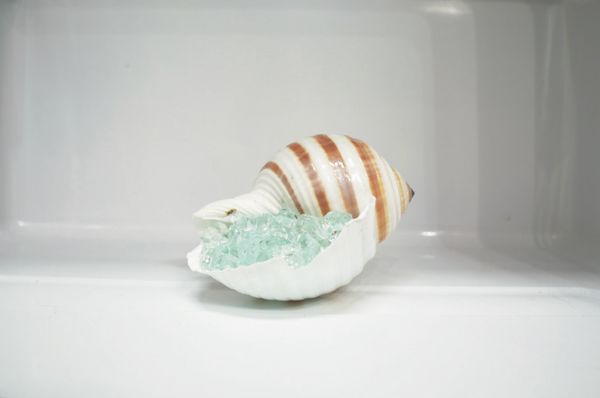
Alicia Escott
After Seashells: Climate Control, 2019
Found refrigerator, seashell, tempered glass, led
18 × 19 × 17 in
Price on Request
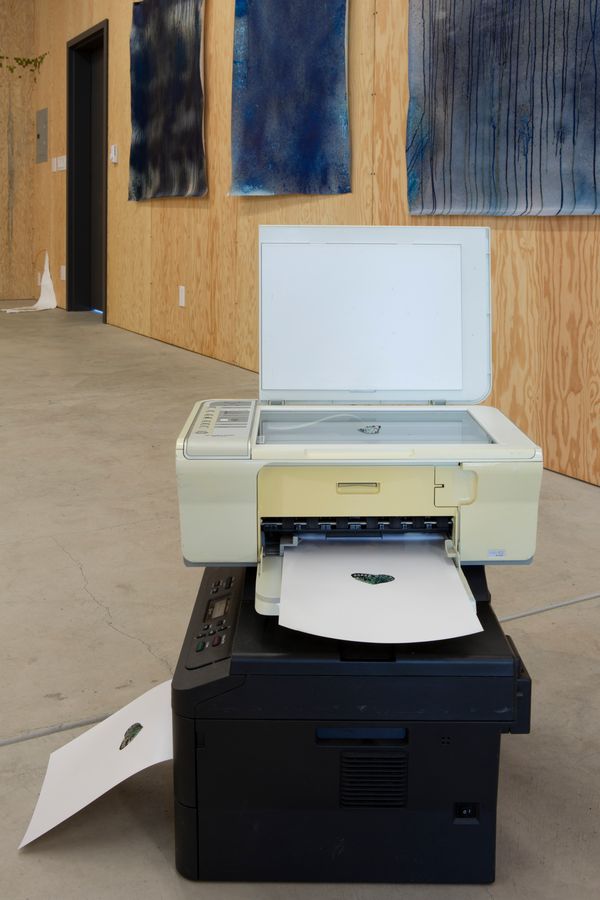
Alicia Escott
Another Form of Reproduction, 2019
Found artificial butterfly wing, found discarded printers, digital c print
29 × 18 × 18 in
Price on Request
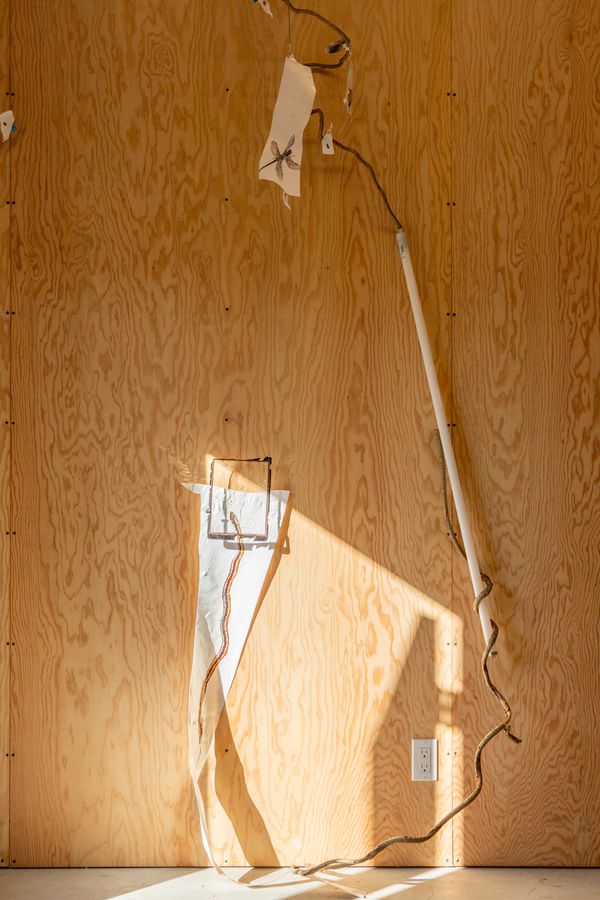
Alicia Escott
Bittersweet, 2023
Found materials and original ink drawings on found plastic
Price on Request
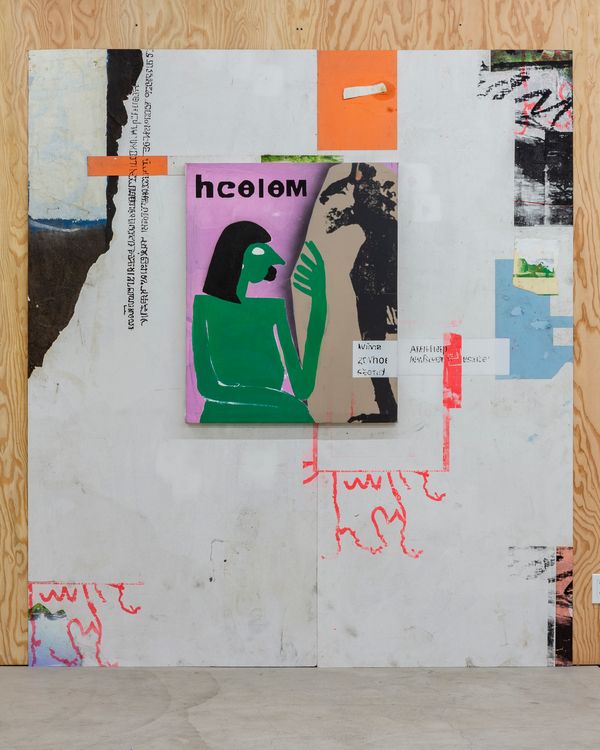
Brett Amory
hcolom, 2023
Oil and Ink on wood and paper
83 × 93 in
$10,000
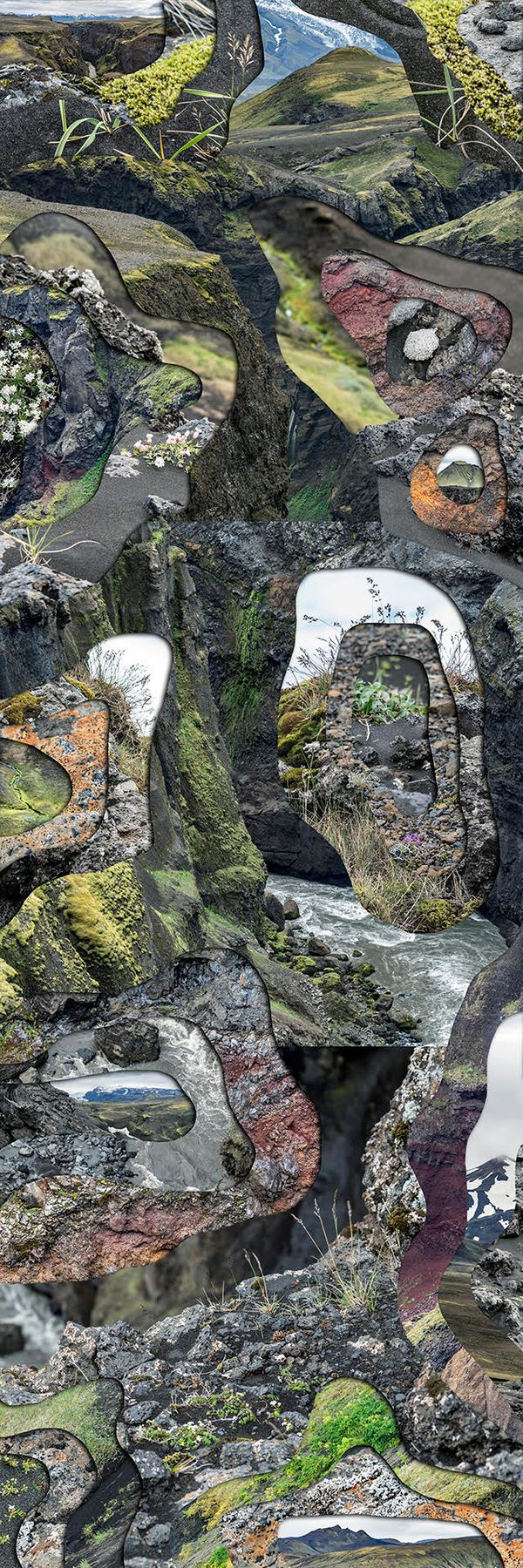
Charlotta Hauksdottir
Topographic Study XXXIV, 2023
Archival inkjet prints, hand cut and assembled
23 × 69 in
Not For Sale
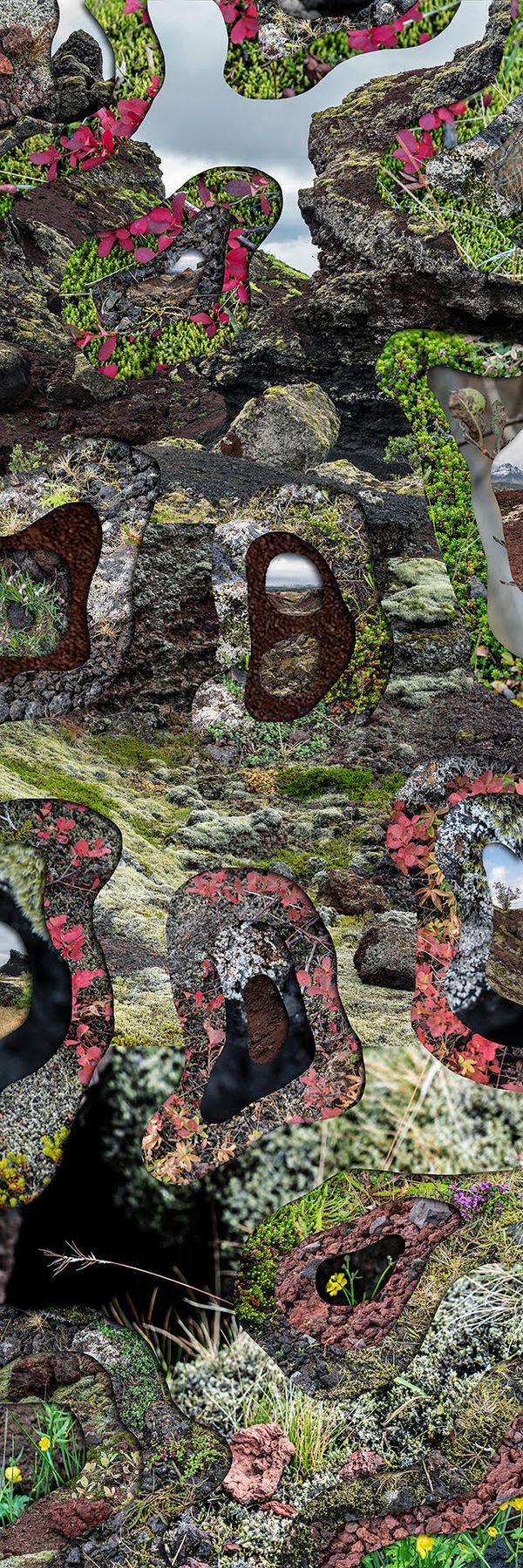
Charlotta Hauksdottir
Topographic Study XXXV, 2023
Archival inkjet prints, hand cut and assembled
23 × 69 in
Not For Sale
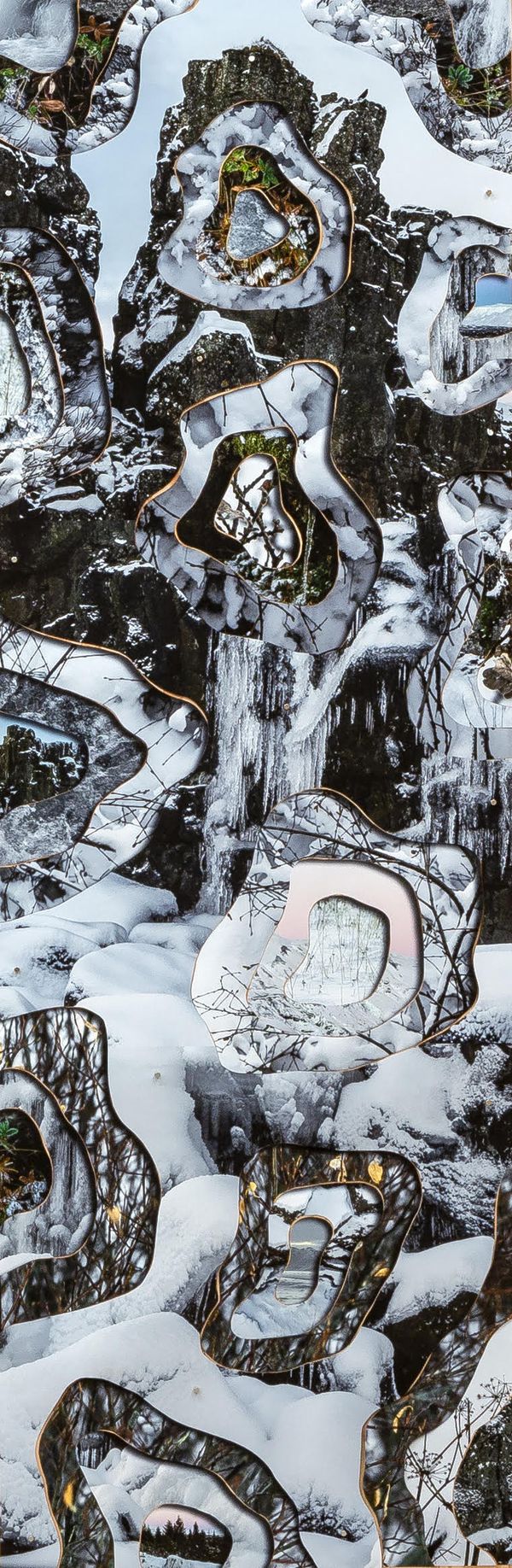
Charlotta Hauksdottir
Topographic Study XXXVI, 2023
Archival inkjet prints, hand cut and assembled
23 × 69 in
Not For Sale
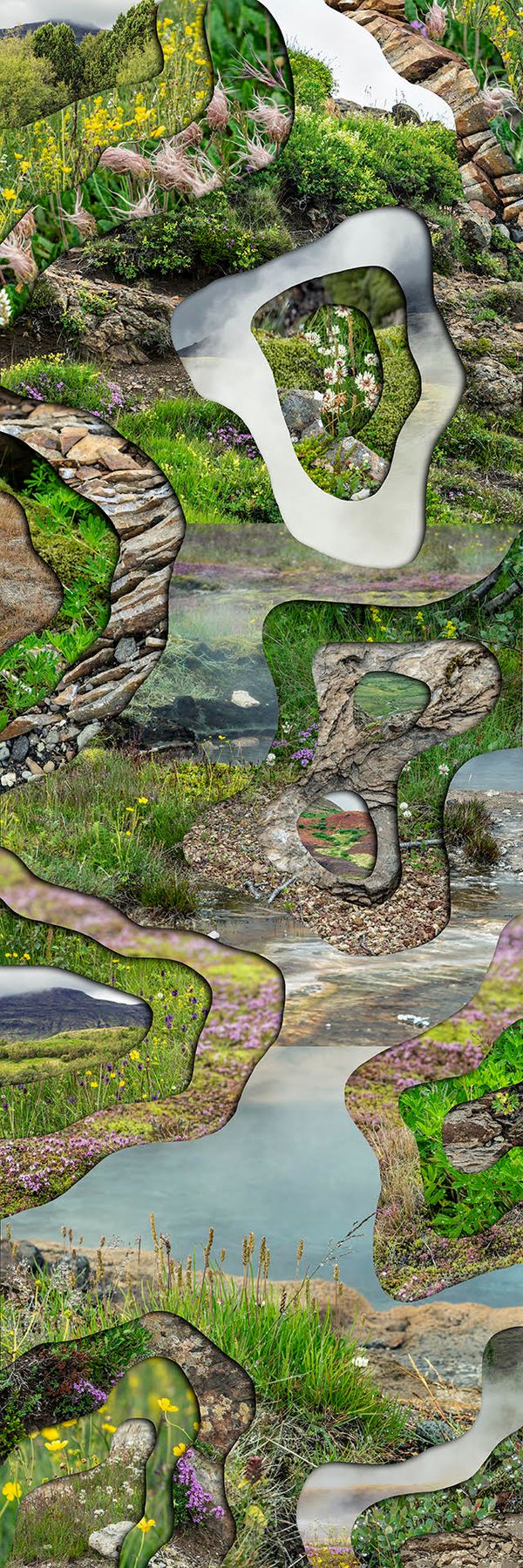
Charlotta Hauksdottir
Topographic Study XXXVII, 2023
Archival inkjet prints, hand cut and assembled
23 × 69 in
Not For Sale
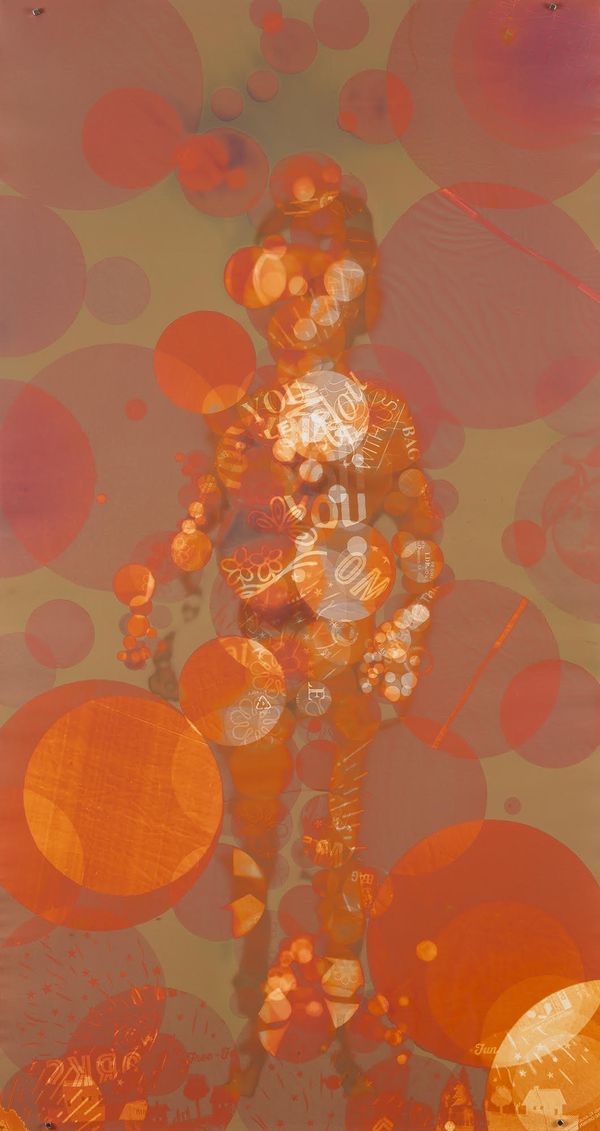
Francis Baker
My Beautiful Child v1, 2023
gelatin silver print out photogram
22 × 42 in
$1,500
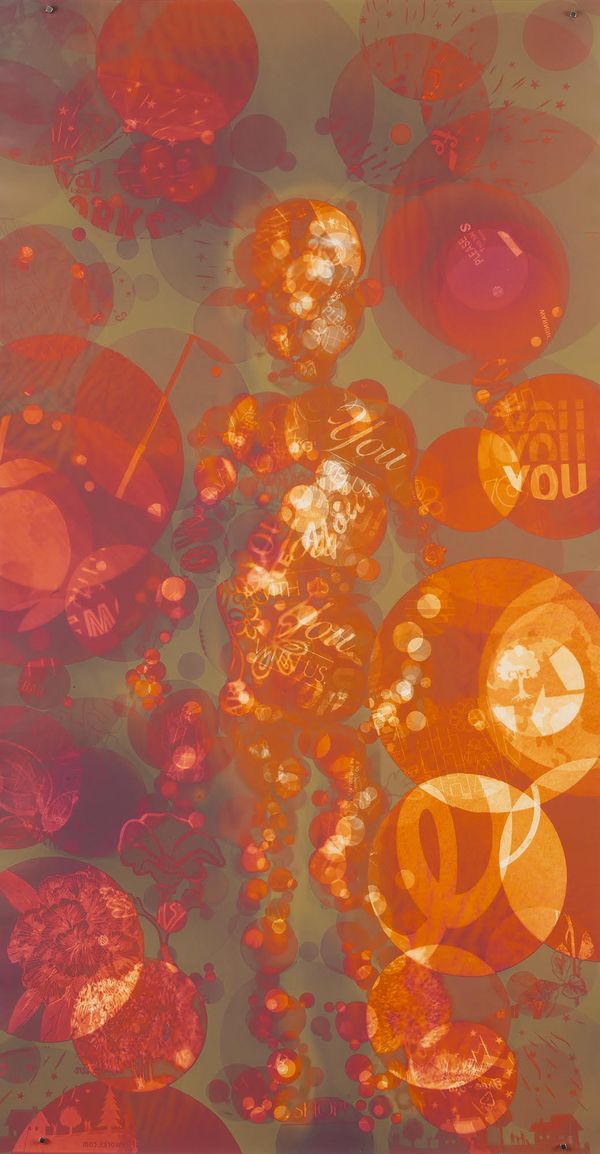
Francis Baker
My beautiful child v2, 2023
gelatin silver print-out photogram
22 × 42 in
$1,500
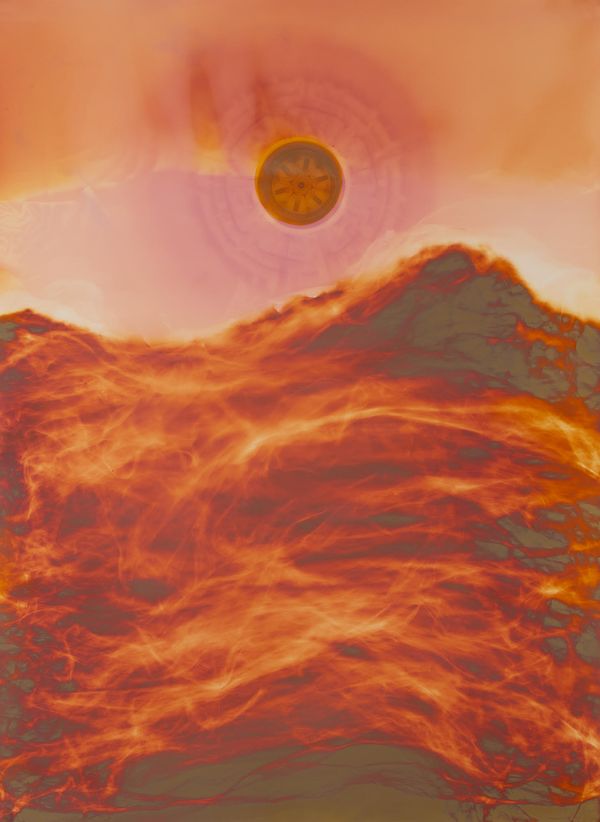
Francis Baker
Plastic Ocean, 2023
gelatin silver print-out photogram
32 × 42 in
$2,000
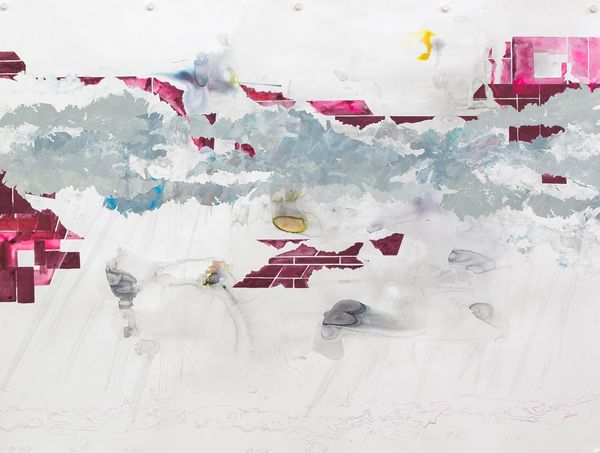
Hughen/Starkweather
Bounces like an echo, 2023
Ink, pencil, and gouache on paper
54.5 × 42 in
Price on Request
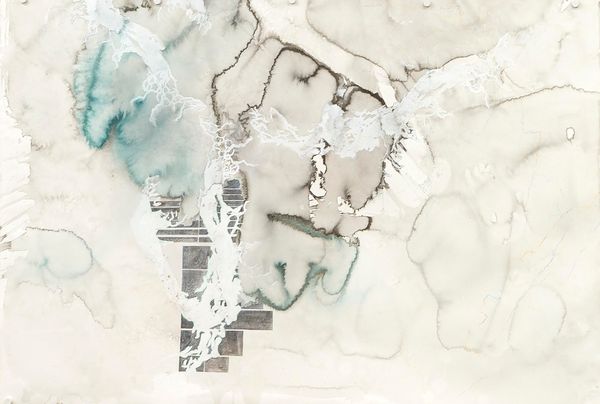
Hughen/Starkweather
Coastal Squeeze, 2023
Ink, pencil, sand, and salt on paper
52 × 37 in
Price on Request
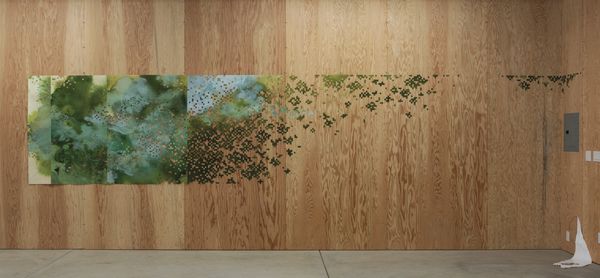
Lisa Kairos
Boreal (Clearcut), 2023
acrylic ink on hand-cut watercolor paper
52 × 126 in
$10,800
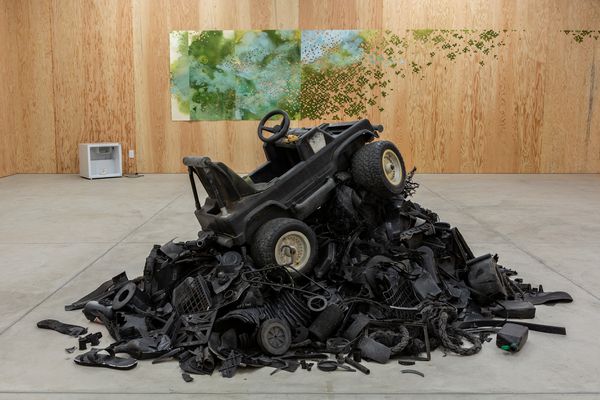
Richard Lang and Judith Selby Lang
RIDE-ON, 2023
pile of black beach plastic and toy ATV
8 × 10 in
Not For Sale
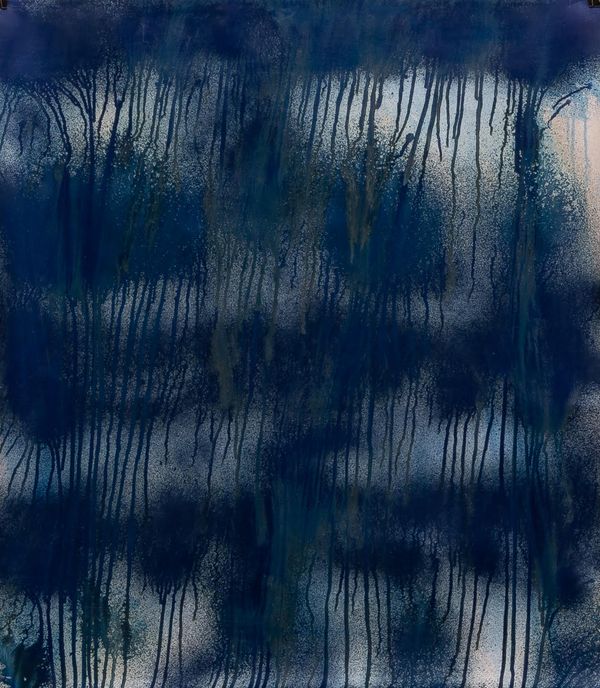
Ron Moultrie Saunders
Smoky Skies and Torrential Rain I, 2023–2024
Cyanotype and Lumen Print on Fiber Gelatin Silver Paper
49 × 43 in
$10,000
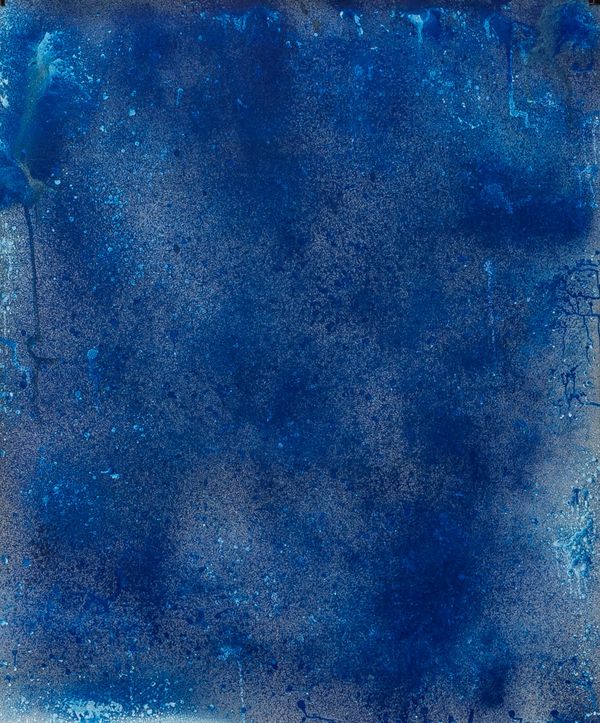
Ron Moultrie Saunders
Smoky Skies and Torrential Rain II, 2023–2024
Cyanotype and Lumen Print on Fiber Gelatin Silver Paper
48 × 42 in
$10,000
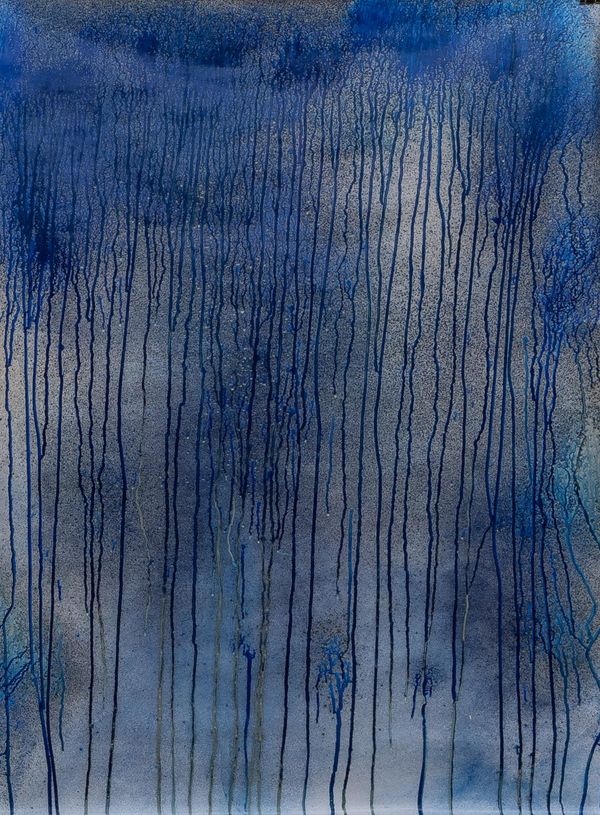
Ron Moultrie Saunders
Smoky Skies and Torrential Rain III, 2023–2024
Cyanotype and Lumen Print on Fiber Gelatin Silver Paper
55 × 43 in
$11,000
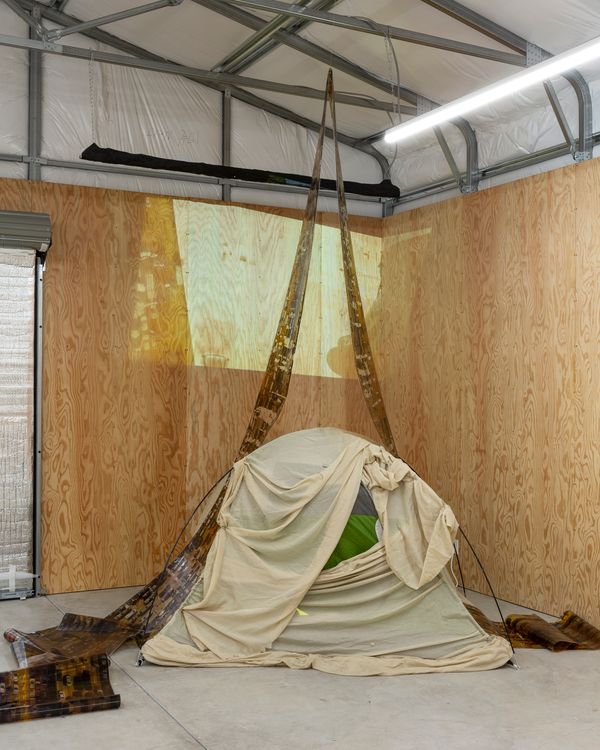
Stacey Goodman
Soot, 2023
Video, Ai imagery, digital prints, found objects
6 × 10 × 15 in
Price on Request
Artists
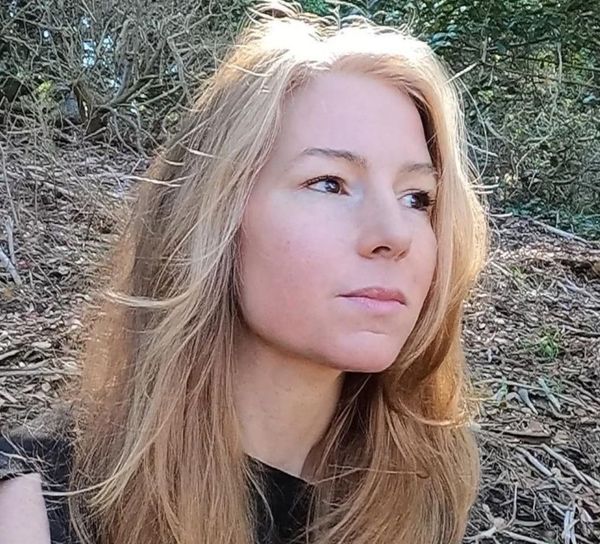
Alicia Escott @Alicia_Escott
Statement: Alicia Escott is an interdisciplinary artist based in the land we currently call San Francisco, she practices in solidarity with thinkers across fields undoing the colonial construct of “nature” as a thing separated from us and our world. Escott work is informed by how we each negotiate our day-to-day realities amid an awareness of the overarching specter of climate-chaos, mass-extinction— and the social unrest this rapid change and unprocessed grief produces. Her work makes space for the unspoken individual and collective experiences of loss, heartbreak and grief. they approach these issues with an interstitial practice encompassing: writing, drawing, word-making, painting, photography, video, sculpture, social-practice, composting, seed-planting, and activism. Alicia’s work has been shown in over 100 art-institutions, galleries, and alternative spaces— including exhibitions at: Berkeley Arts Center, the Headlands Center for the Arts, Yerba Buena Center for the Arts, The San Francisco Maritime Museum, The Berkley Art Museum, and Museum of Contemporary Art Santa Barbra. A founding member of the collective 100 Days Action and half of the Social Practice Project The Bureau of Linguistical Reality, Escott’s work has been featured in The BBC, Smithsonian Magazine, The Economist, The New Yorker, MOMUS, The San Francisco Chronicle, KQED, and many others.
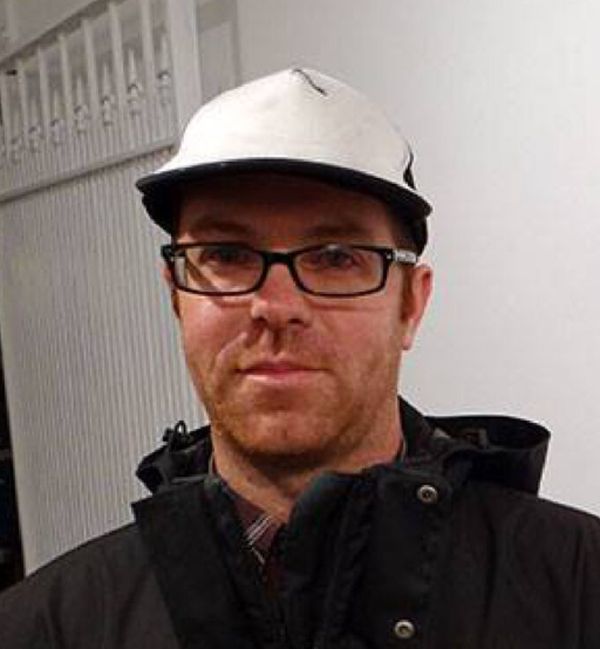
Brett Amory @brettamory
Statement: Brett Amory is an interdisciplinary artist whose multidisciplinary practice is rooted in the intersection of quotidian and habitual engagements with the everyday world. Working primarily in painting and installation, he explores unnoticed moments and how digital technology reshapes them. His work extends the familiar into the unfamiliar, investigating the authenticity of life in a digitally-mediated environment. Through his art, Amory navigates the complex relationship between the physical and digital, highlighting both the connection and disconnection inherent in contemporary life. His work has been exhibited both nationally and internationally, including at the National Portrait Gallery, London; the Scottish National Portrait Gallery, Edinburgh; the Fort Wayne Museum of Art, Indiana; Contemporary Jewish Museum, San Francisco; and de Young Museum, San Francisco. Brett Amory earned a MFA from Stanford University and a BFA from the Academy of Arts University. He lives and works in Oakland California. Brett Amory's interdisciplinary art practice investigates the interstices between the ordinary and the unfamiliar. His work captures glimpses of visual perception prior to interpretation. Exploring overlooked routine moments, Amory reveals the transformation of daily experience in the digital age. His art contemplates how pervasive technology alters one's sense of mundane activities like waiting, commuting, or washing dishes. Amory's visual language prompts inquiries about the authenticity of lived experience in a digitally mediated world. His isolated figures resonate with a renewed poignancy - evoking both the social fragmentation and the yearning for meaningful connection wrought by endless digital distraction. Ultimately, his thought-provoking art reveals the nuanced influence of artificial intelligence and virtual identities on our tangible, human realities. Amory's work navigates the complex entanglement of the physical and digital in contemporary life.
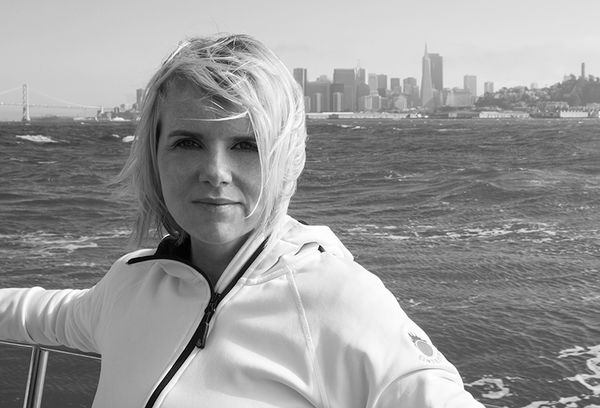
Charlotta Hauksdottir @charlottamh
Statement: Charlotta María Hauksdóttir is an award winning visual artist based in California, who uses photography, collage and mixed media in her work. Residing in the USA for over 20 years, she still draws inspiration from her home country Iceland. Her work centers around the unique connection one has to places and moments in time, and how memories embody and elevate those connections. Hauksdóttir received a BA in Photography from the Istituto Europeo di Design in Rome, Italy and an MFA from the San Francisco Art Institute. She also holds a Diploma in Creative and Critical Thinking from the Iceland Academy of the Arts. Her work has been exhibited around the world, with solo exhibitions in the USA, Russia, and Iceland as well as numerous group shows and photography festivals. Her photographs have been published in several magazines and books, as well as a monograph “A Sense of Place - Imprints of Iceland” published by Daylight Books that is in the collection of the Art Institute of Chicago, SFMOMA, and Princeton among others. Hauksdóttir’s work is also part of numerous private and public collections such as Stanford Health Care and Reykjavik Museum of Photography. I was inspired to begin photographing the Icelandic landscape 20 years ago, after I moved to the United States and realized how closely my homeland was connected to my identity and sense of being. Starting out as an emotional response to the landscape I have over the years noticed changes and am now incorporating the effects of climate change into the work. By hand cutting the photographs and layering them in various patterns the removed parts of the images speak to these changes and the disappearing landscape. In some pieces glaciers have been cut out revealing black, suggesting their absence, and in others text on global warming represents the urgency of the situation. Using topography patterns, where visible layers overlap hidden ones, suggests erosion and suppression over time. The human biological patterns, such as those of fingerprints, retinal veins or brain circuits address our personal connection to nature and the responsibility for our impressions and impact. Recently I’ve been inspired by nature’s resilience, where grass can often be seen growing out of concrete cracks. In those pieces nature can be seen growing underneath indicating renewal and hope. I am also wrapping photographs around branches and weaving the landscape together to symbolize both the destruction and the ability to take action.
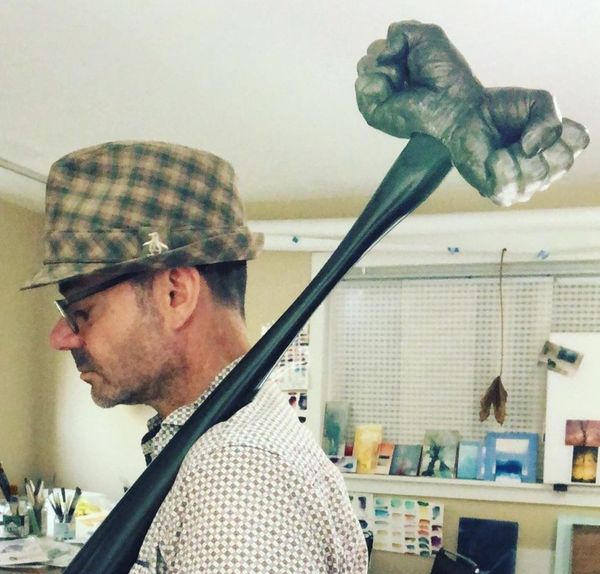
Francis Baker @francis_baker_studio
Statement: Francis Baker is an artist, living and working in Oakland, CA. For 30 years, Baker has been engaging with alternative process photography exploring themes of social justice, inequity, homelessness, mental health, and the human condition, along with consumerism and its continued impact on the environment. Baker’s recent project focuses on society’s plastic consumption as an object lesson of how human behavior is the dominant influence on climate change. Baker continues to exhibit his work nationally being included in exhibits in New York, Chicago, Santa Fe, San Francisco and other cities, as well as, internationally in Paris and Switzerland. Baker received the inaugural fellowship residency award at The Image Flow, in Mill Valley, CA. He has also received a fellowship to the KALA Art Institute, in Berkeley, CA. Baker’s work was included in the De Young Museum and featured in their Fine Arts Magazine. Baker was the recipient of the Klompching Fresh ’23 exhibit award. Baker's work has been published in magazines and journals including Analog Forever, 7x7, Tricycle Magazine, Divergents Magazine, Diffusion X, and, as the cover of The Hand Magazine, a journal dedicated to alternative process photography and printmaking.
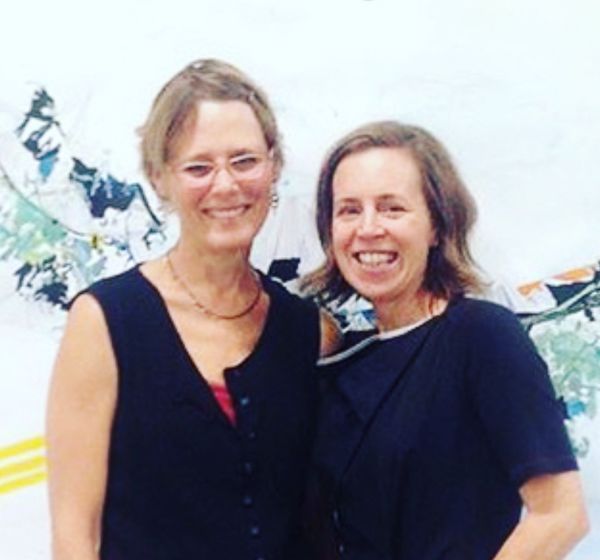
Hughen/Starkweather @hughen_starkweather
Statement: The work of Hughen/Starkweather explores landscapes impacted by engineered systems that control and distribute water. As this infrastructure is increasingly, inextricably woven into landscapes, how might these natural and engineered systems fail or succeed together as climate extremes exert unforeseen pressures? The artwork Bounces like an echo references atmospheric rivers, and the repeated cloud-like forms mimic the shape of California as an island as rendered in a 1666 Dutch map. The work Coastal squeeze references the global increase in seawall construction to protect shoreline homes and infrastructures as tides rise and storms intensify. The unintended consequences of this shoreline armoring include pushing water and wave energy to neighboring areas, disrupting the natural replenishment of sand on beaches until they narrow or vanish, and increased inland mining/ocean dredging of sand to replenish the beaches, which leads to further disruption of ecosystems.
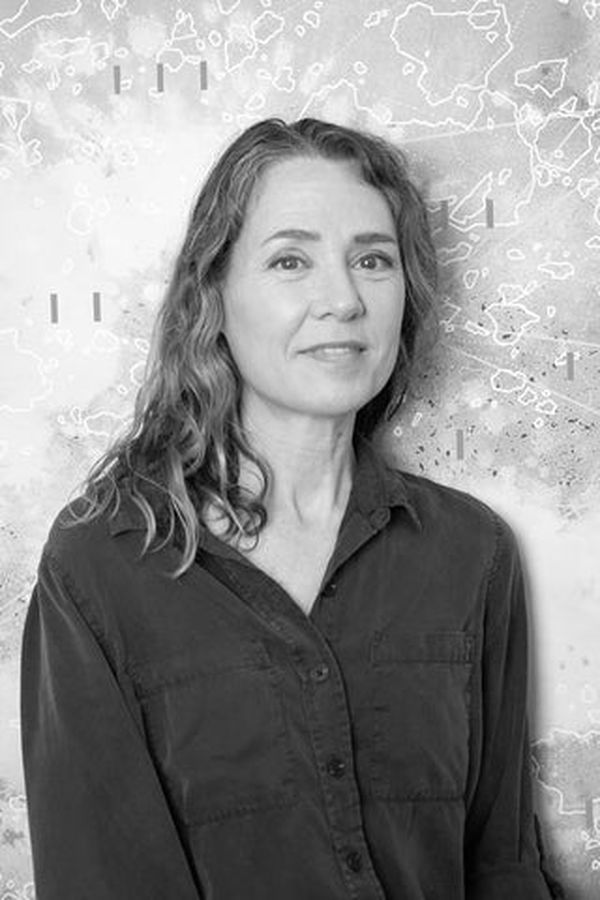
Lisa Kairos @lkairos
Statement: Lisa Kairos makes dynamic abstract landscapes to get lost in; her work is inspired by the intersection of environment, perception, beauty, and technology. A California native, Lisa received her degree in fine art with an emphasis in painting at UC Santa Cruz in 1990. She has exhibited in group and solo shows and at art fairs throughout the United States. Her work is held in many private and corporate collections and she has completed numerous commissions for public and private spaces. She currently lives and works in San Francisco. My abstract paintings explore themes of change and transformation through the subject of landscape. I approach making my work the same way I explore a place: over time, in layers, with shifting perspectives. Layers of ink and paint mimic the geological formations revealed by satellite maps and colors drawn from the earth and sky converge and surprise. These paintings often pivot around visual interruptions, where crisp divisions in the picture plane suggest shifts in perspective and time . Sometimes areas of a painting are cut away entirely, marking the ephermeral nature of our environments. Atmospheric passages mingle with cartographical and technological references, resulting in a complex visual matrix, sometimes quiet and subtle, other times bursting with energy, like the landscape itself. The places that inspire my paintings become a lens through which I make sense of the world and time that we are living in. I am particularly attracted to landscapes that have endured human interventions and dramatic changes over time, usually the remainders and margins of urban space or remote locations that have been shaped by extraction, use, infrastructure, and sometimes restoration. Other times I focus on physical and ephemeral dynamics in the landscape, such as geological formations, fire, water systems, and weather events. I am drawn to areas where one type of space transitions to another: earth to sky, shadow to light, burn pile to ash, tidal marsh to open water. I look for a resonance of opposites, a moment of slippage and surprise, a glitch of unexpected beauty; where one thing becomes another, I find a metaphor for personal transformation.
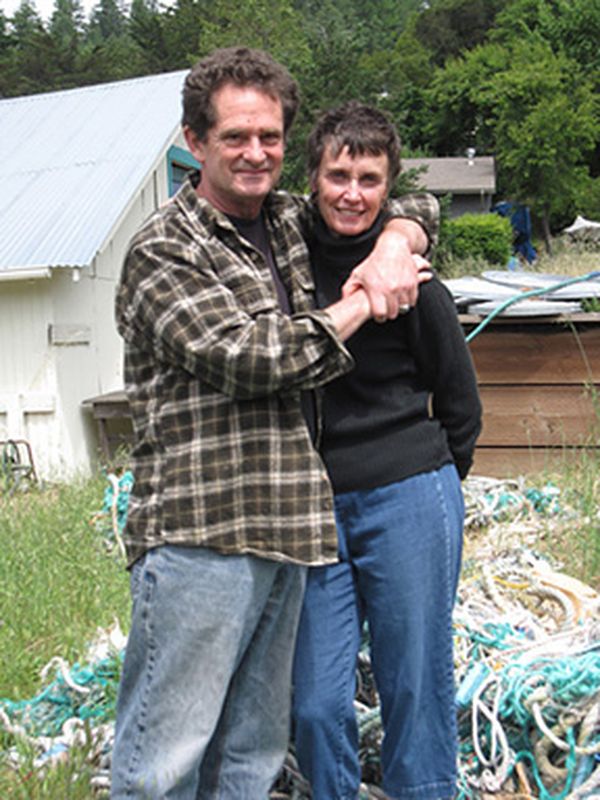
Richard Lang and Judith Selby Lang
Statement: Since 1999 Richard Lang and Judith Selby Lang as a collaborative team have been visiting Kehoe Beach, Point Reyes National Seashore in Northern California.They have rambled 1000 meters of tideline of this one beach hundreds of times to gather plastic debris washing out of the Pacific Ocean and from this one beach have collected over two tons of material. By carefully collecting and "curating" the bits of plastic, they fashion it into works of art that matter-of-factly show, with minimal artifice, the material as it is. The viewer is often surprised that this colorful stuff is the thermoplastic junk of our throwaway culture. Many people don’t know about the oil=plastic equation but every year thousands of barrels of oil and natural gas are extracted then used to make plastic. Offshore oil drilling, tanker oil spills, tar balls washed ashore, and plastic, lots of it, are all part of our exposé as we develop an artistic response to the problem of petroleum and plastic pollution. A toy replica of an ATV gas guzzler that washed ashore displayed on top of a pile of black beach plastic from Kehoe Beach is our ah-ha and ta-da. Viewers are encouraged to take a close look and hopefully, discover in the mess of shards and fragments, recognizable objects then ask themselves, could that comb have once been mine? and ponder — what can we do with the wreck of our petroleum-based consumer culture?
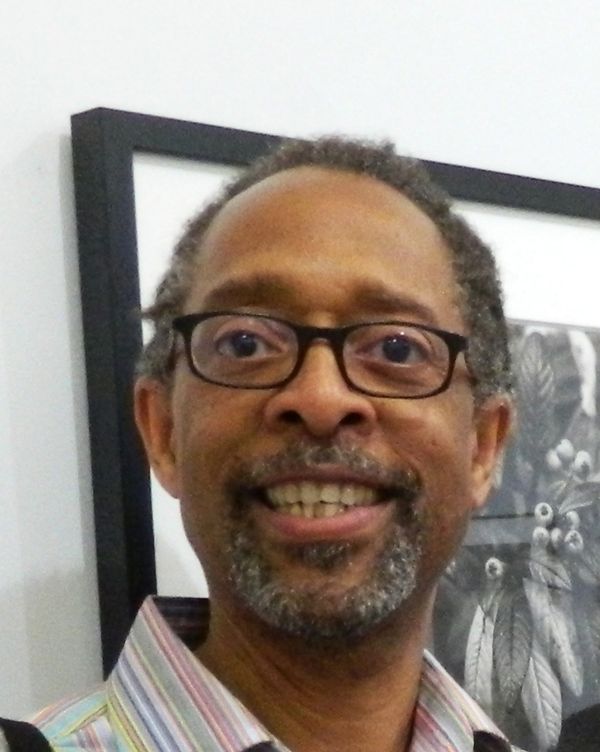
Ron Moultrie Saunders @ronmsaunders
Statement: Ron Moultrie Saunders, New York native, studied landscape architecture at the University of Pennsylvania. He is a photographic artist who creates photograms: photographs that are made without the use of a camera. His work explores story and mythology as a gateway to talk about cultural history, family mythology, and personal identity. And he’s a longtime resident of San Francisco. Saunders holds a Masters in Landscape Architecture from the University of Pennsylvania. He is a charter member of Minnesota Street Projects Artist Studio Program, and a recipient of of two Individual Artist Grant from the San Francisco Arts Commission and a Kala Art Institute Fellowship. His art is featured in the San Francisco Arts Commission Civic Art Collection with permanent work located across the city. He has exhibited at the San Francisco International Airport, San Luis Obispo Museum of Art, Rena Bransten Gallery, and at the San Jose ICA. And he completed two public projects for BART this year.
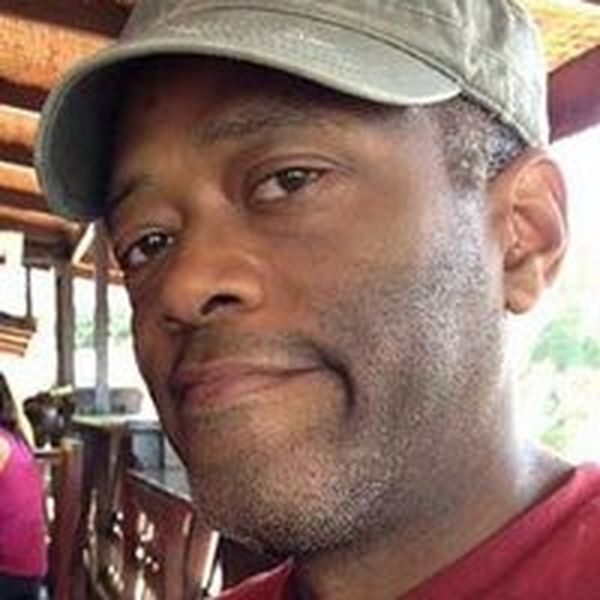
Stacey Goodman @staceydgoodman
Statement: Stacey Goodman splits his time between Oakland and Sebastopol, California. Currently working in mixed materials, he is interested in creating immersive experiences using video, found objects and performance.
Curator
Francis Baker @francis_baker_studio
Statement: Francis Baker is an artist, living and working in Oakland, CA. For 30 years, Baker has been engaging with alternative process photography exploring themes of social justice, inequity, homelessness, mental health, and the human condition, along with consumerism and its continued impact on the environment. Baker’s recent project focuses on society’s plastic consumption as an object lesson of how human behavior is the dominant influence on climate change. Baker continues to exhibit his work nationally being included in exhibits in New York, Chicago, Santa Fe, San Francisco and other cities, as well as, internationally in Paris and Switzerland. Baker received the inaugural fellowship residency award at The Image Flow, in Mill Valley, CA. He has also received a fellowship to the KALA Art Institute, in Berkeley, CA. Baker’s work was included in the De Young Museum and featured in their Fine Arts Magazine. Baker was the recipient of the Klompching Fresh ’23 exhibit award. Baker's work has been published in magazines and journals including Analog Forever, 7x7, Tricycle Magazine, Divergents Magazine, Diffusion X, and, as the cover of The Hand Magazine, a journal dedicated to alternative process photography and printmaking.
 https://www.120710.art
120710.art 1207 Tenth Street
Berkeley, CA 94710