Drawn
Curated by Paul Taylor
- Andy Vogt
- Bec Imrich
- Catherine Mackey
- Dean Smith
- Gracianne Kirsch
- Jonathan Bachrach
- Kelley O'Leary
- nkiruka oparah
- Paul Taylor
- Sarah M Newton
- Selby Sohn
- Tanja Geis
- Tracy Grubbs
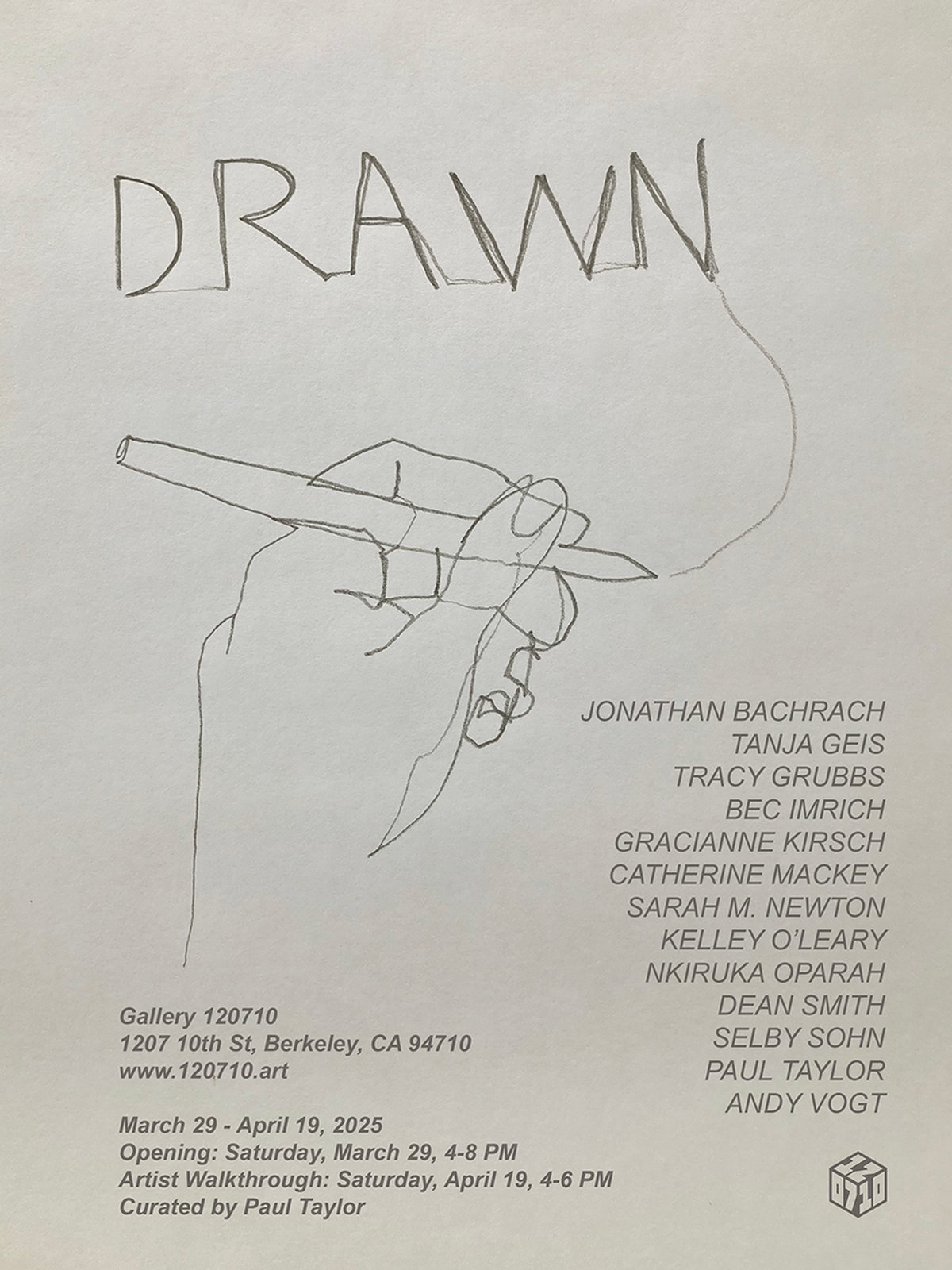
As young kids, we all want to make our mark. There is something primal about the act of building up lines on a surface to bring forth something we want to see. Fundamentally, drawing connects the eye to the brain to the hand. The 13 artists in this exhibition have held onto this practice; despite varied subject matter and techniques, we are unified by our abiding commitment to drawing.
Works
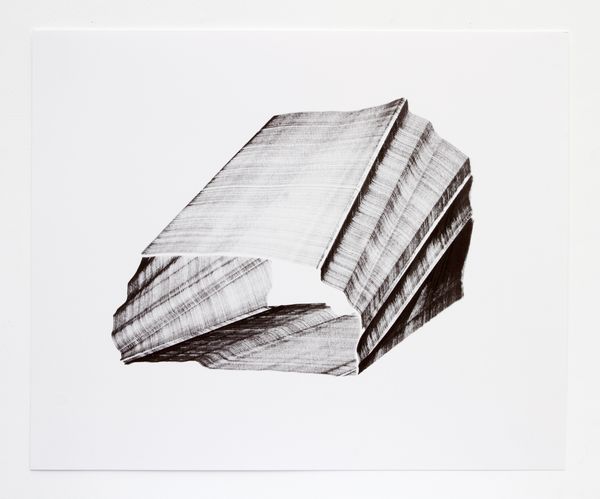
Andy Vogt
Undergrounded 2 (sharp as glass), 2022
ink on paper
14 × 17 in
$600
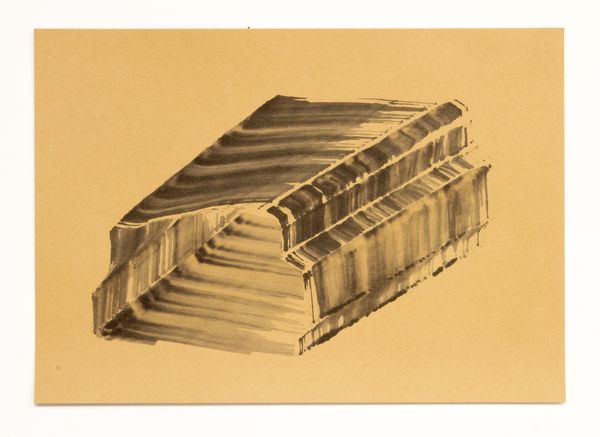
Andy Vogt
Undergrounded 3 (quinine), 2022
alcohol ink on paper
8.25 × 11.63 in
$300
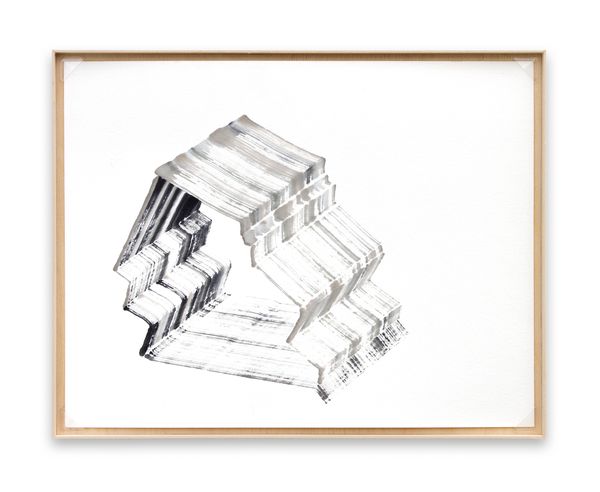
Andy Vogt
Undergrounded 4 (block trace), 2022
alcohol ink on paper
8.5 × 11 in
$300
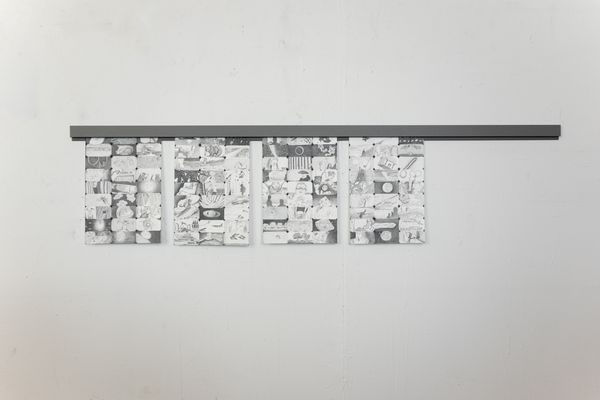
Bec Imrich
strategies for managing terror (drowning in an ocean of images), 2023
Graphite on paper
Price on Request
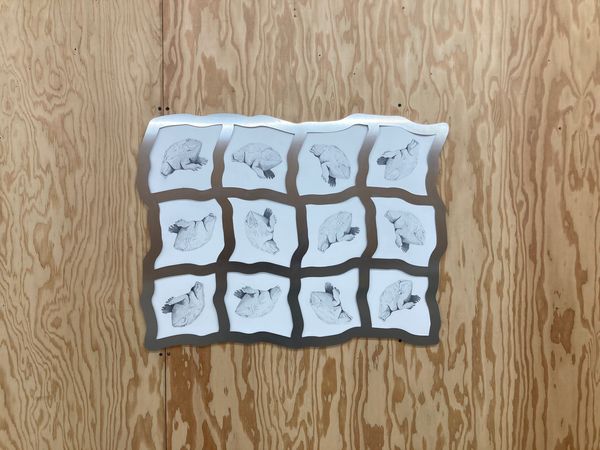
Bec Imrich
Untitled (repeat prediction error), 2025
Graphite on paper, aluminium
24 × 32 in
Price on Request
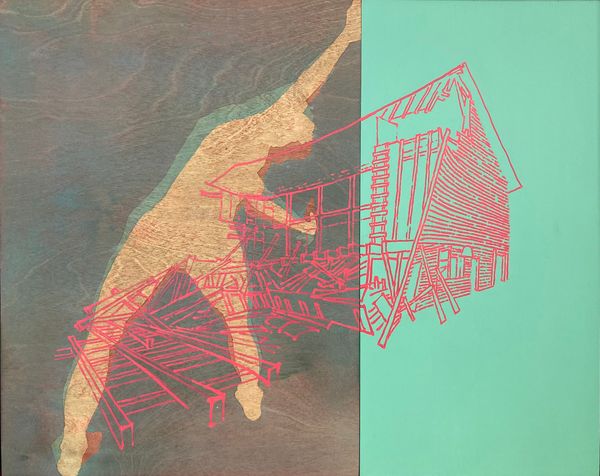
Catherine Mackey
Leaning #2, 2024
Mixed media on wood panels. Floater frame with walnut finish.
16 × 20 × 2 in
$1,950
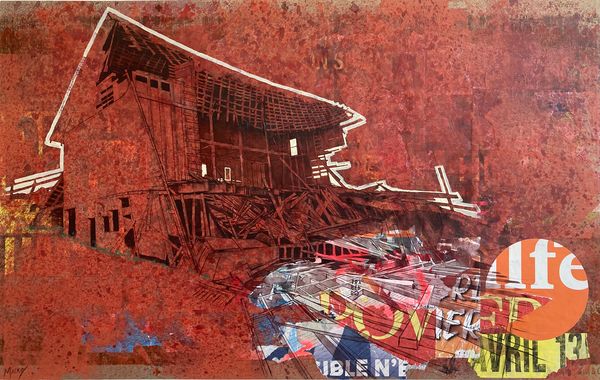
Catherine Mackey
Memory Tumble, 2023
Mixed media on wood panel
30 × 48 × 1.5 in
$10,800
![untitled [dsl_41]](https://120710-web-assets.s3.us-west-1.amazonaws.com/media/CACHE/images/piece_images/dsl41_2019_small_-_Dean_Smith/c1c0dc0cfad17cf2f6ec2b8d99753ace.jpg)
Dean Smith
untitled [dsl_41], 2019
graphite and colored pencil on found vintage paper
11 × 8 in
$2,500
![untitled [dsl_45]](https://120710-web-assets.s3.us-west-1.amazonaws.com/media/CACHE/images/piece_images/dsl45_2019_small_-_Dean_J_Smith/4828f59da65912c1f32b19f49fc2b41d.jpg)
Dean Smith
untitled [dsl_45], 2019
graphite on found vintage paper
10 × 7 in
$2,500
![untitled [dsl_50]](https://120710-web-assets.s3.us-west-1.amazonaws.com/media/CACHE/images/piece_images/dsl50_2019_small_-_Dean_J_Smith/34f32685fc959cc94bbbd092aa455376.jpg)
Dean Smith
untitled [dsl_50], 2019
graphite on found vintage paper
10 × 8 in
$2,500
![untitled [dsl_53]](https://120710-web-assets.s3.us-west-1.amazonaws.com/media/CACHE/images/piece_images/dsl53_2019_small_-_Dean_J_Smith/32c86e2c7ffc1a4de377d82383787672.jpg)
Dean Smith
untitled [dsl_53], 2019
graphite on found vintage paper
10 × 8 in
$2,500
![untitled [dsl_73]](https://120710-web-assets.s3.us-west-1.amazonaws.com/media/CACHE/images/piece_images/dsl73_2022_small_-_Dean_J_Smith/abb5f24e389e82c34ef0013487ad879c.jpg)
Dean Smith
untitled [dsl_73], 2022
graphite on found vintage paper
8 × 6 in
$2,500
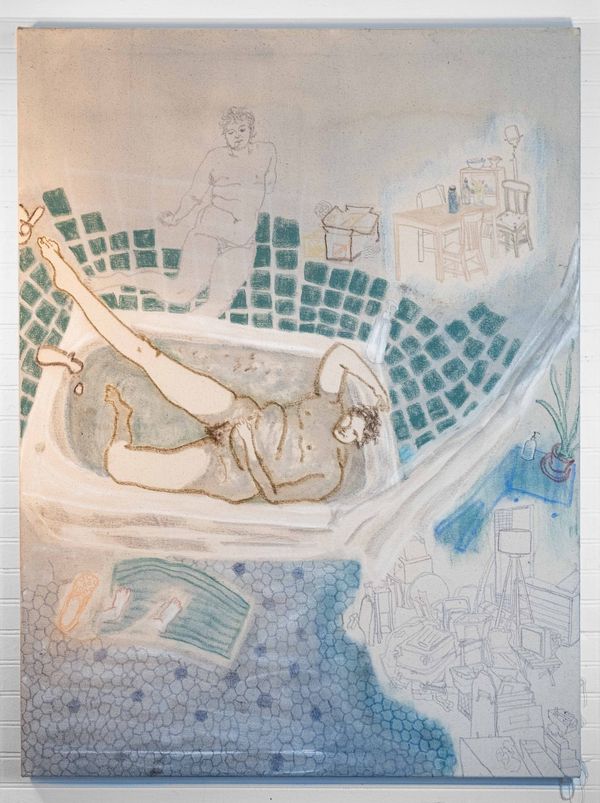
Gracianne Kirsch
bathtub blues, 2024
pastel, dye, pencil on canvas
30 × 40 in
$1,200
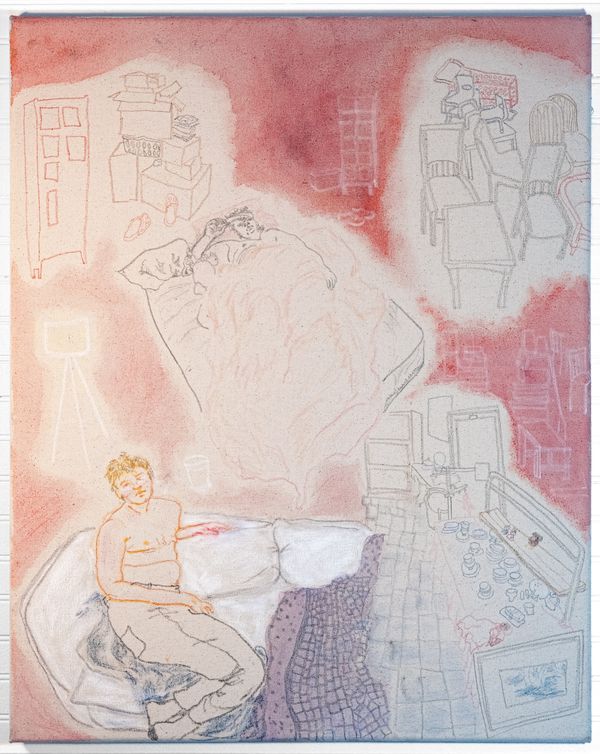
Gracianne Kirsch
only mess, 2024
pastel, dye, pencil on canvas
24 × 30 in
Not For Sale
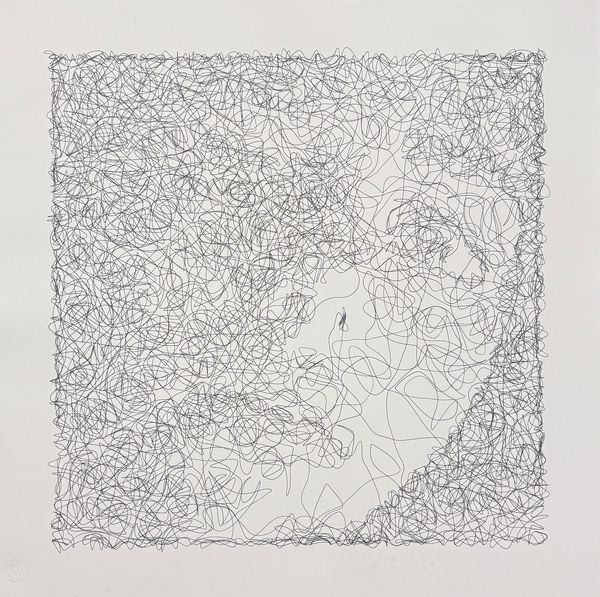
Jonathan Bachrach
Out of Body 5036.36, 2025
pen, plotter, and custom software
23.5 × 23.5 in
$800
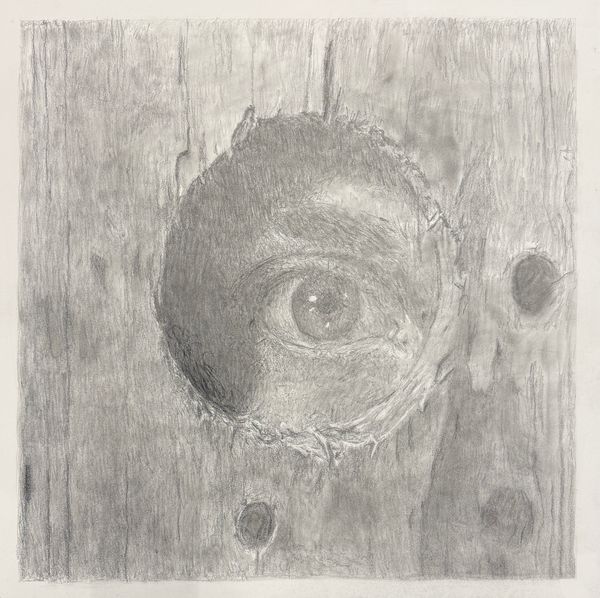
Jonathan Bachrach
Voyeur Voyeur #1, 2025
graphite powder, pencils, erasers, and custom software
23.5 × 23.5 in
$800
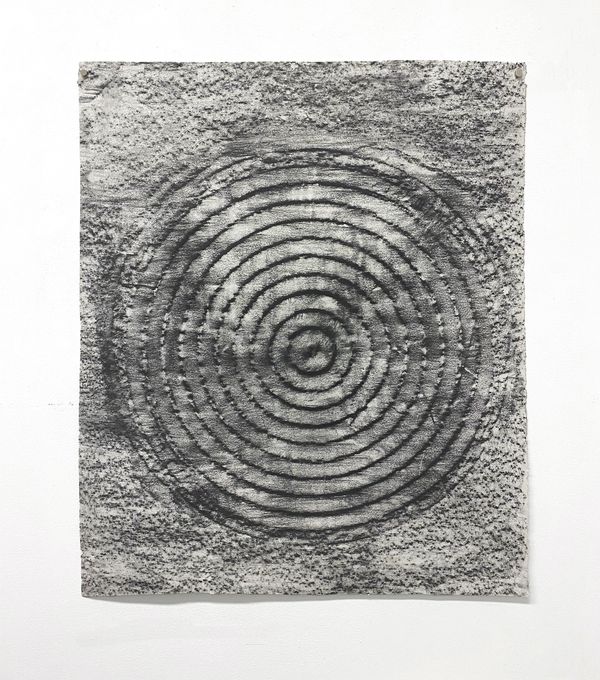
Kelley O'Leary
orbiting earth, always falling, 2024
Graphite frottage on paper
28 × 36 in
$1,200
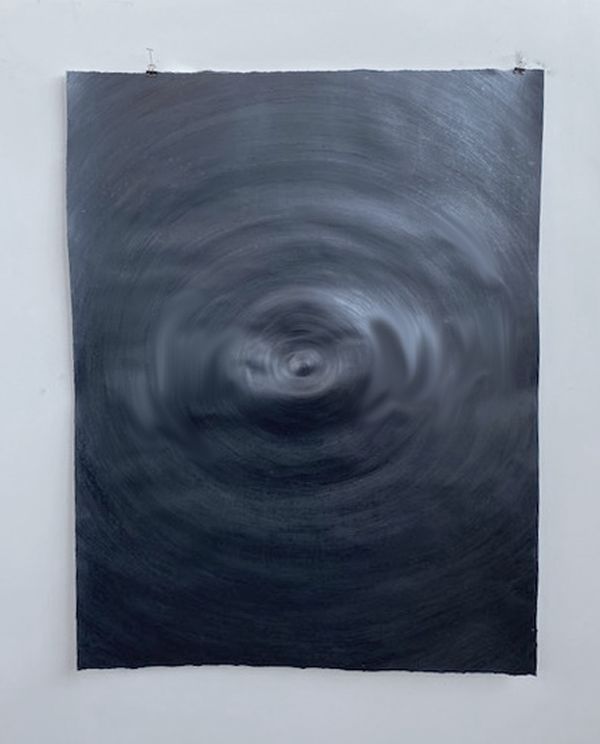
Kelley O'Leary
Tunnel, 2025
Graphite on paper
36 × 29 in
$1,200
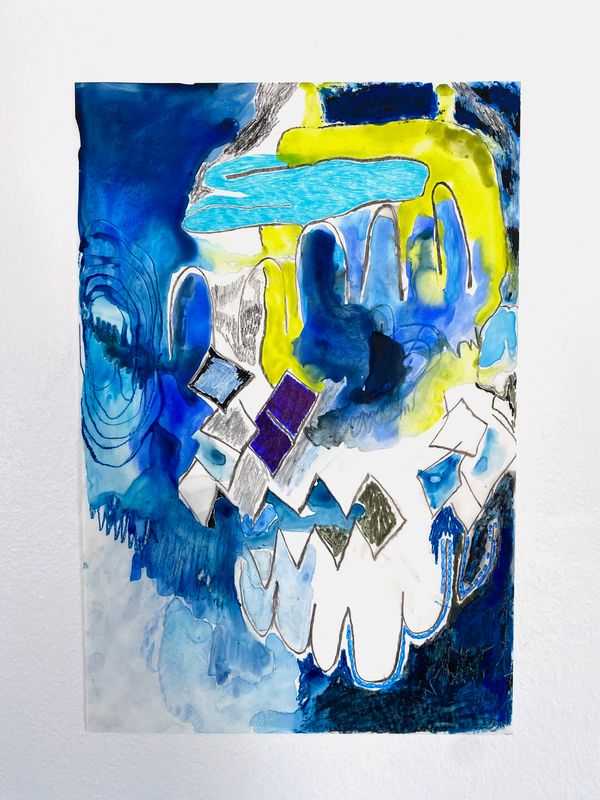
nkiruka oparah
I need you (IV), 2022
Ink, gouache, watercolor crayon, ballpoint pen, and graphite on vellum
15 × 10 in
Price on Request
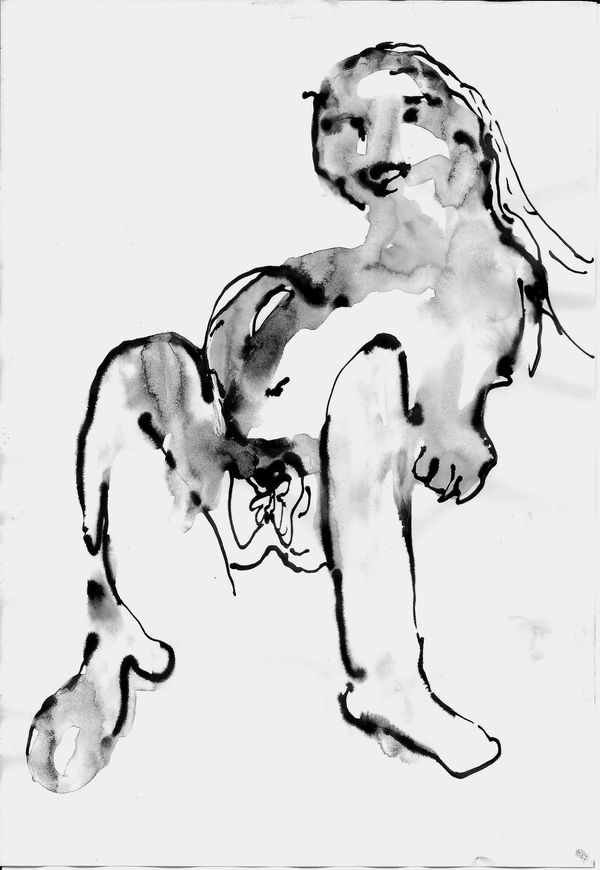
nkiruka oparah
ideal woman (1), 2025
screenprinting ink on paper
9.84 × 6.81 in
$300
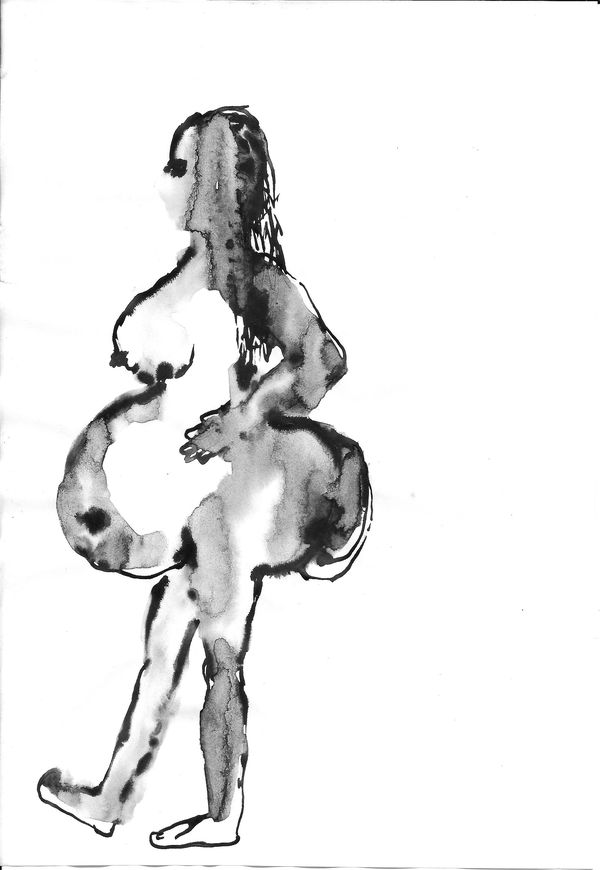
nkiruka oparah
ideal woman (2), 2025
screenprinting ink on paper
9.84 × 6.81 in
$200
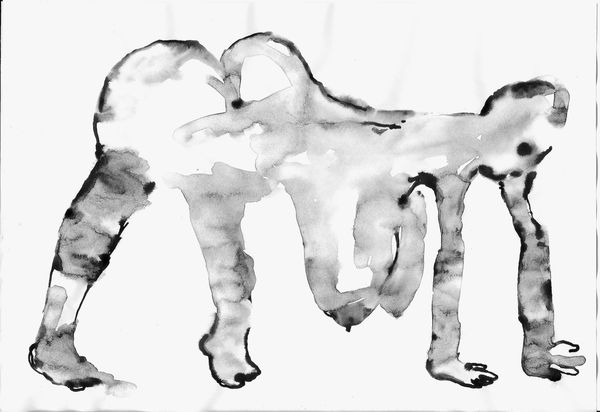
nkiruka oparah
ideal woman (3), 2025
screenprinting ink on paper
9.84 × 6.81 in
$350
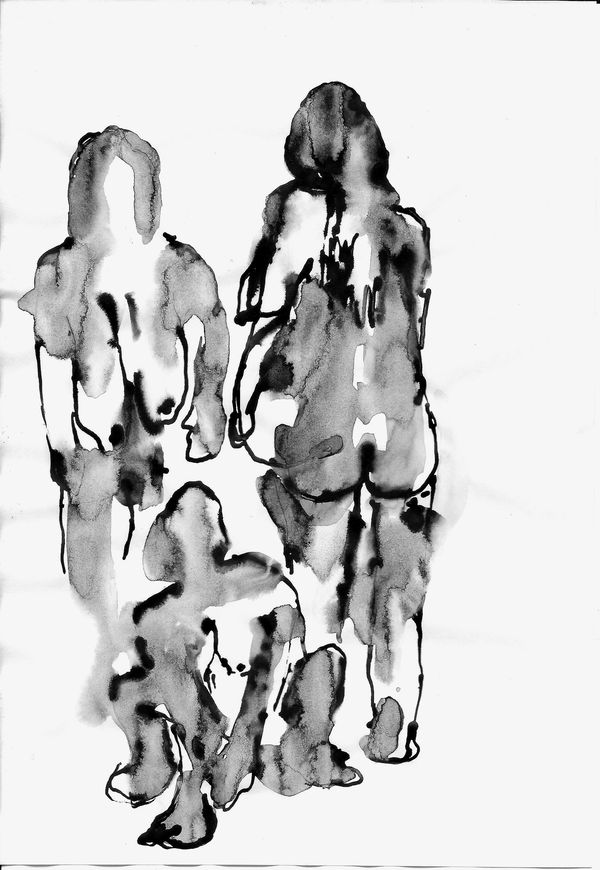
nkiruka oparah
ideal woman (4), 2025
screenprinting ink on paper
9.84 × 6.81 in
$200
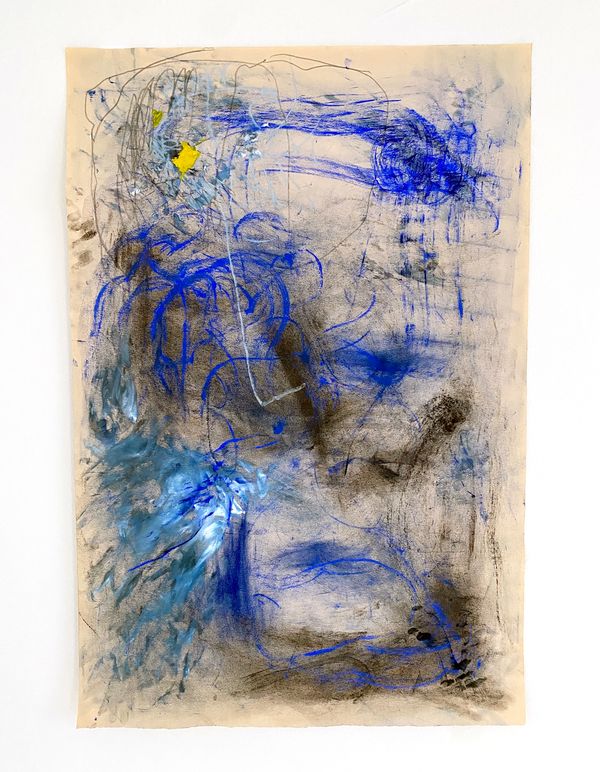
nkiruka oparah
to be milling fertile dirt and soil mixed with shards of ash, flakes of past memories paper thin, destroyed mixing in breeze settling on tops of heads, hair and grazing the skin, 2024
oil, graphite, and loose pigment on paper
36 × 24 in
$460
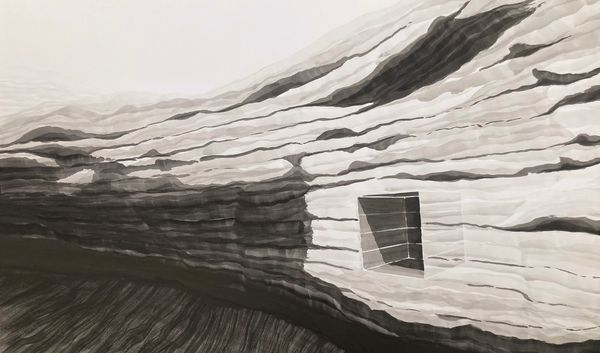
Paul Taylor
Absence Cubed, 2025
sumi ink, pastel pencil and graphite on paper
23.5 × 38.5 in
$1,500
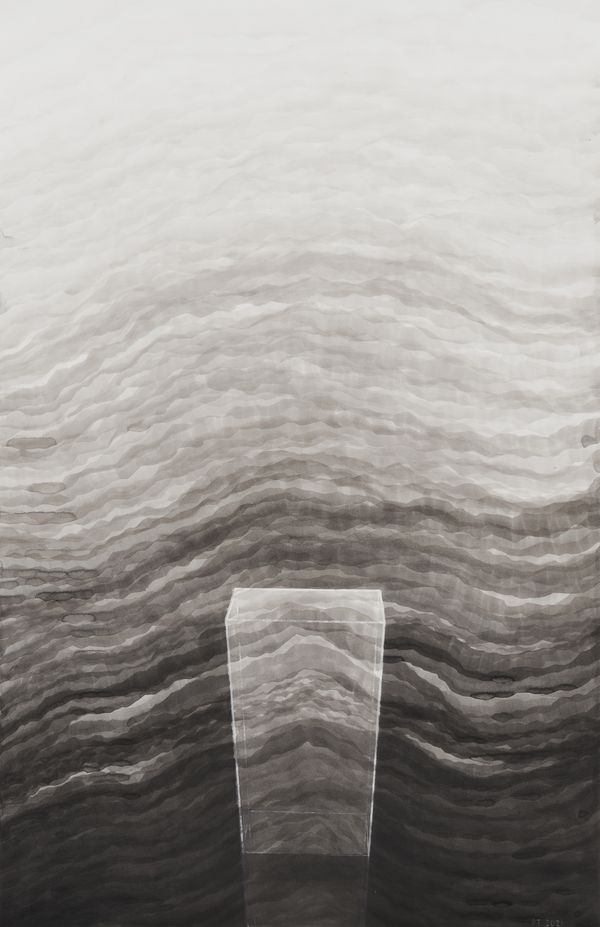
Paul Taylor
Submerged Monolith, 2021
sumi ink, pastel pencil and graphite on paper
36.5 × 23.5 in
$1,500
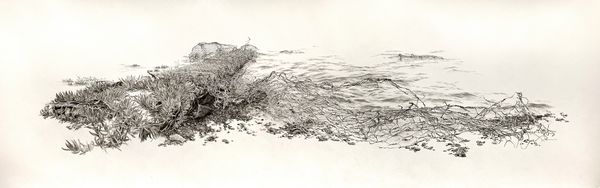
Sarah M Newton
Unravel, 2025
Ink wash on yupo
26 × 86 in
Price on Request
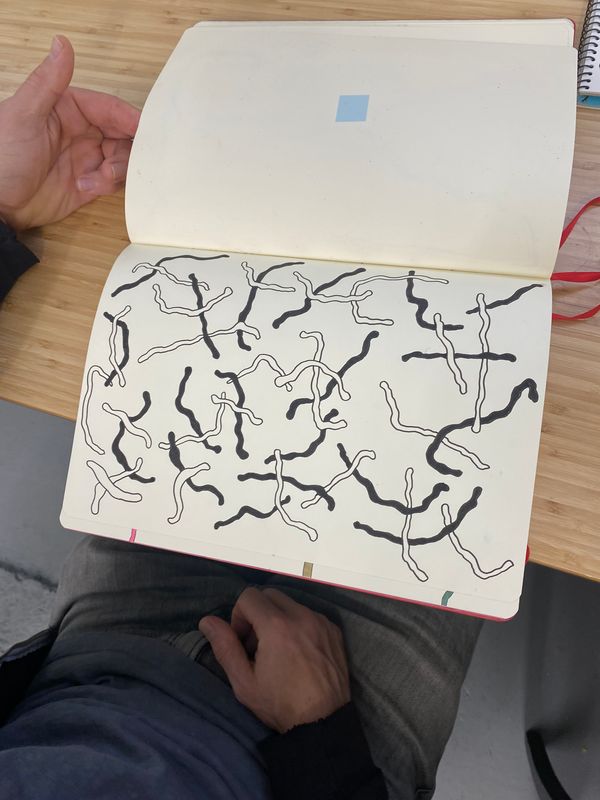
Selby Sohn
Worm Drawing, Black and White, 2024
Pen on Paper
8 × 11.5 × 0.01 in
$500
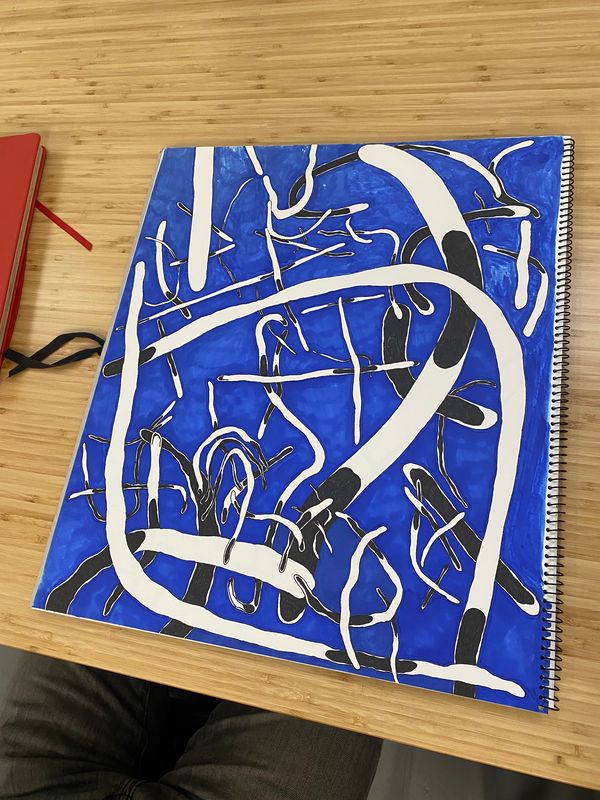
Selby Sohn
Worm Drawing, Blue Background, 2024
Pen on Paper
15 × 18 × 0.01 in
$900
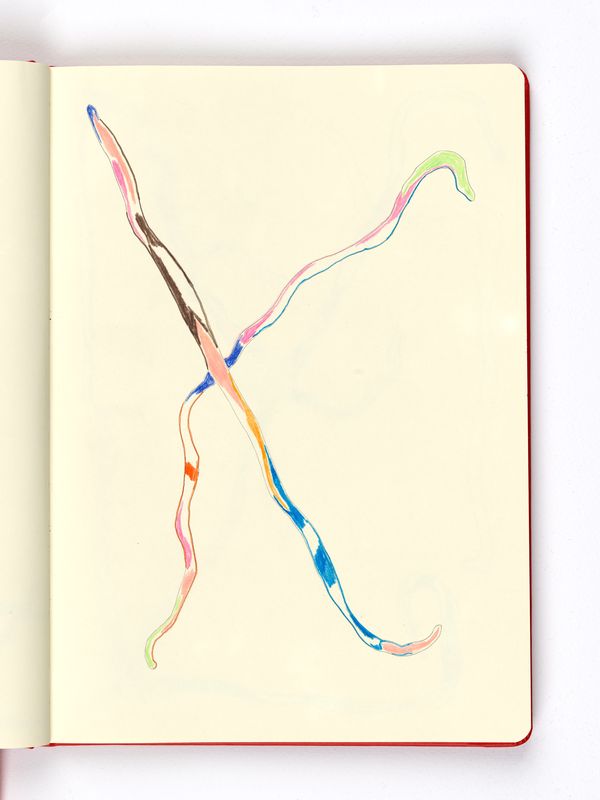
Selby Sohn
Worm Drawing, Crossing, 2023
Colored Pencil on Paper
8 × 11.5 × 0.01 in
$500
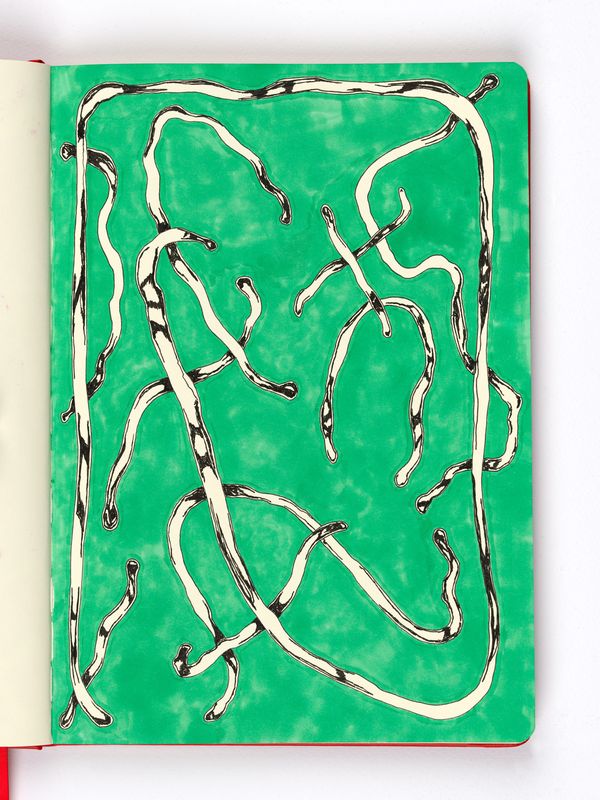
Selby Sohn
Worm Drawing, Green Background, 2023
Pen on Paper
8 × 11.5 × 0.01 in
$500
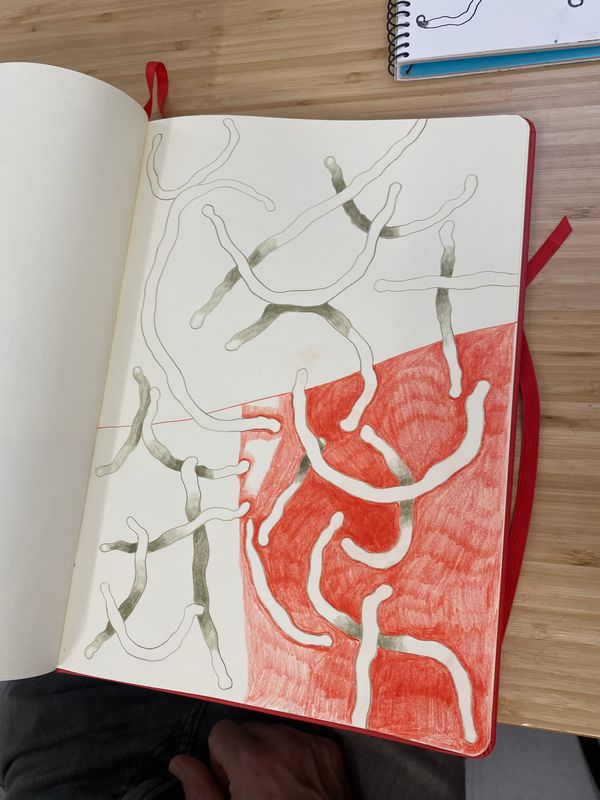
Selby Sohn
Worm Drawing, Part Red Background, 2025
Colored Pencil on Paper
8 × 11.5 × 0.01 in
$500
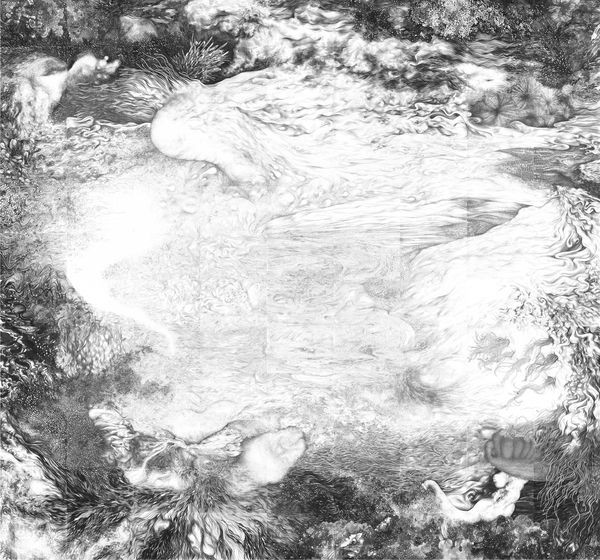
Tanja Geis
108 Samples, 2012
Sumi ink on paper
84 × 90 in
Price on Request
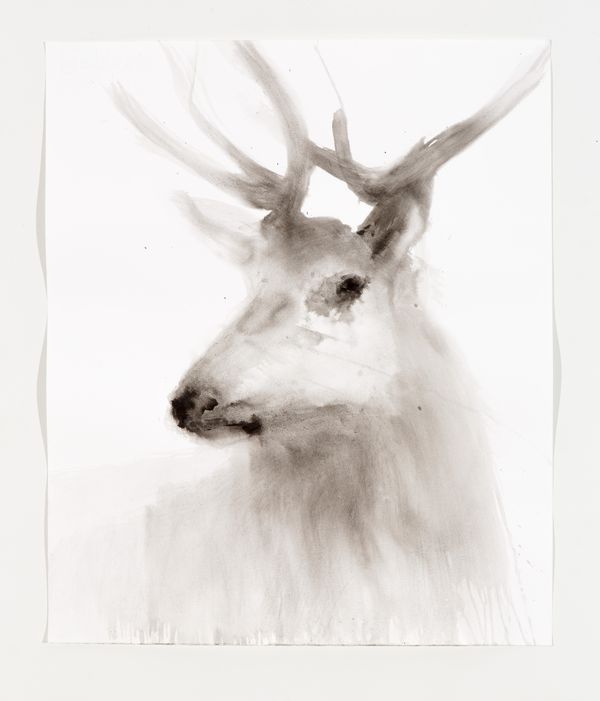
Tracy Grubbs
The Deer #11, 2025
ink on Fabriano paper
23 × 20 in
$800
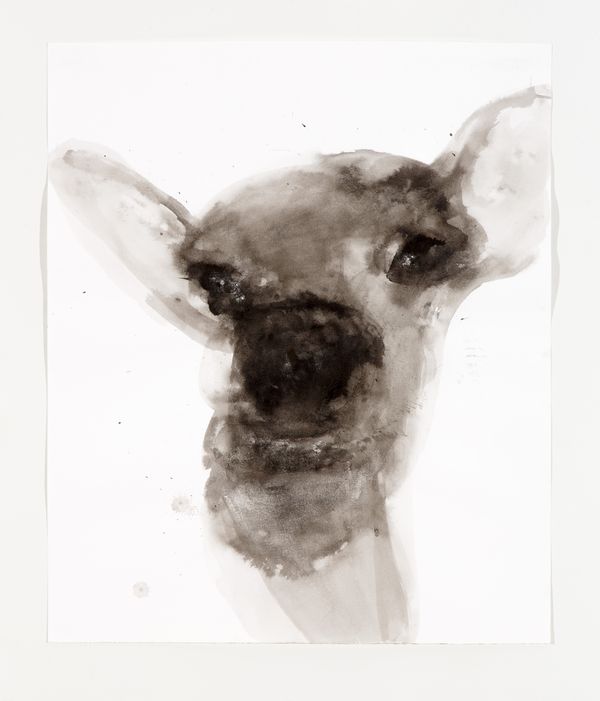
Tracy Grubbs
The Deer #3, 2024
ink on Fabriano paper
20 × 23 in
$800
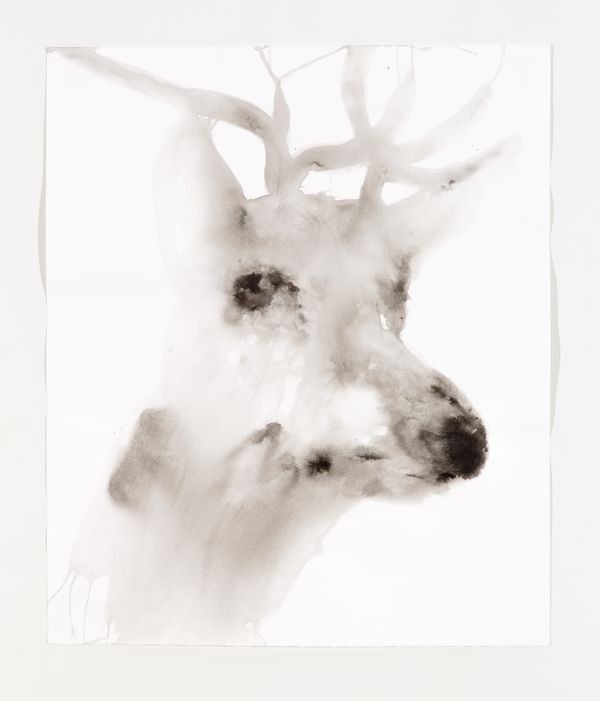
Tracy Grubbs
The Deer #8, 2024
ink on Fabriano paper
20 × 23 in
$800
Artists
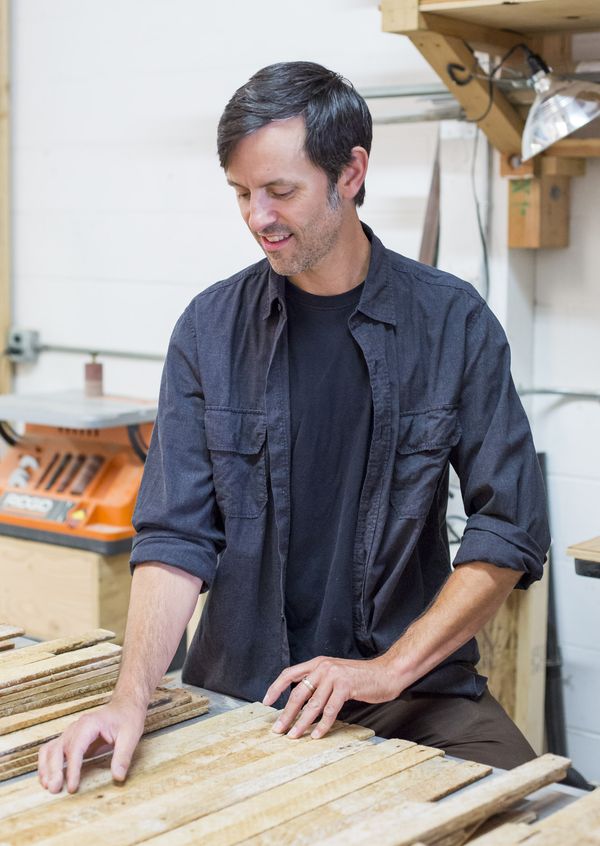
Andy Vogt @andy_vogt_studio
Andy Vogt began in Washington, D.C. in 1970, the son of a documentary filmmaker and an environmental policy maker. He graduated from Carnegie Mellon University in Pittsburgh, PA in 1992 with a degree in Intermedia a program focused on performance and time-based projects using video, photography and installation. After college he worked in public television as the prop master for Mister Rogers’ Neighborhood a historic, long-running children’s program in the US and Canada. In the 1990’s he co-created a computer art-band called Operation Re-Information which developed its own live performance software and toured the U.S. playing computers live in clubs and in galleries. After moving to San Francisco in 2000 he worked as a prop maker, model maker and art director in television and advertising and also briefly as an architectural model maker. The combination of these work experiences and being immersed in the San Francisco art scene of the early 2000’s helped to form his mix of art making techniques and processes as well as a respect for the raw nature of materials.
Statement: My work is focused on ideas of architecture, impermanence, perception and time across a wide range of materials and methods. In much of my sculpture, I’ve used salvaged wood lath boards which I’ve been collecting from the trash since about 2003. During the demolition of walls in old buildings in the Bay Area built before 1950 (which is most of the architecture that we have here) these thin boards are tossed in dumpster to make way for fresh drywall construction. These ubiquitous strips of wood have become a kind of drawing medium for me with inherent colors and standardization of size that I use to create wall mounted assemblages. My compositions often appear three dimensional despite being flat and oftentimes and depict spaces and shapes in the midst of formation or dissolution, much like the structures from which the wood has been ripped out of. This material-based idea started around 2003 shortly after moving to San Francisco and has inspired various bodies of work since then including more traditionally defined ‘drawings’ using things like ink and pastels. The drawings included this show were made with alcohol based ink on paper using a series of custom drawing tools that were dragged over the paper surface and various protective masking techniques to control where the ink went or didn’t.
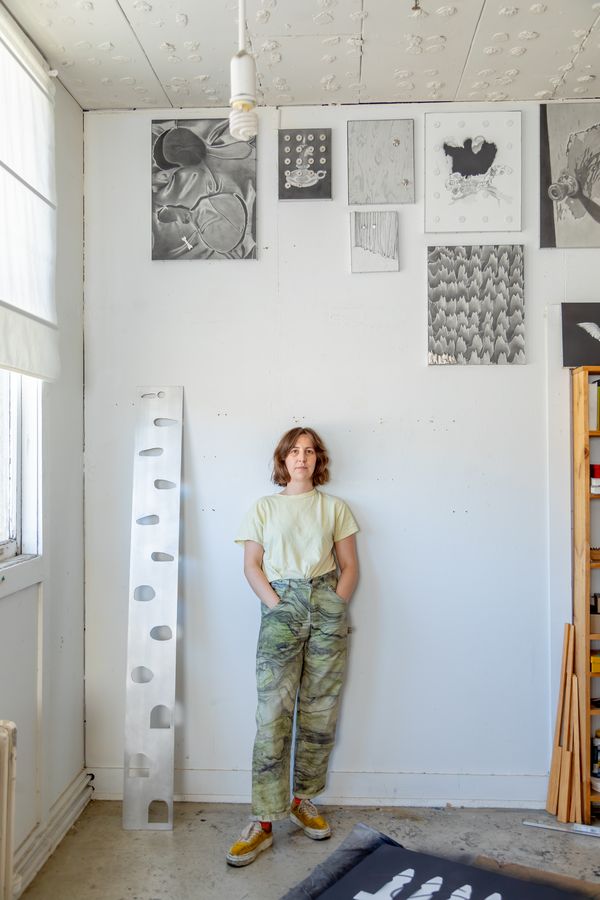
Bec Imrich @bec_imrich
Bec Imrich (b. 1992) is an artist and writer, born in Cambridge, MA, and living/working in San Francisco while lecturing in UC Berkeley’s department of Art Practice. Imrich’s interdisciplinary practice moves between drawing, photography, and sculpture.
Statement: My work mines the liminal space where elements of vaguely ominous domestic environments and paranoid interior worlds intersect with the shared pressures of internalized capitalism, alienation, and (environ)mental precarity. The images that I draw are often side doors to processing buried memories, but they usually work in reverse—forging significance out of the quotidian as a way to process the world. My approach to images is slippery. I use the practice of drawing to isolate particular elements, remove/confuse context, and foreground an overworked/belabored sense of time, extending the cadence to slowly digest images that are a pebble in my shoe, or cause emotional flashbacks to other times/places/ideas/occurrences.
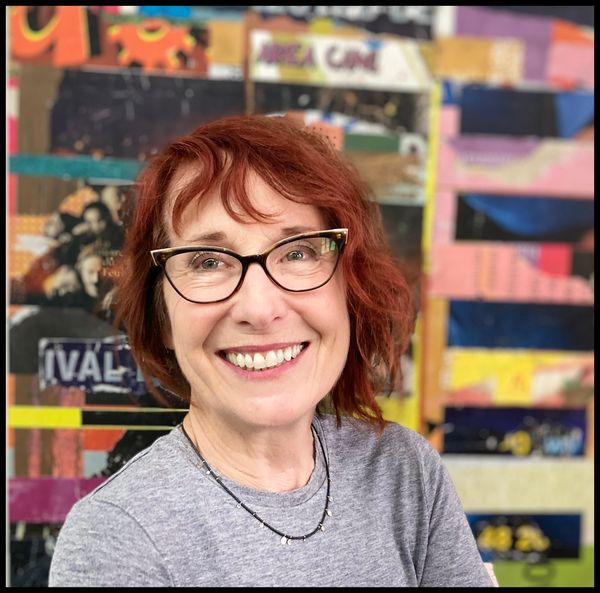
Catherine Mackey @cathmackey415
Catherine received a degree in Interior Architecture in the UK and subsequently worked on a variety of commercial projects, mostly in London. She also taught at Chelsea College of Art and Design as a full-time senior lecturer in Interior Architecture. She moved to the Bay Area 25 years ago to follow her dream of art-making and now works from a light-filled workspace in an old factory in the Mission district of San Francisco. Her creative practice includes painting, printmaking, and drawing. She has had several solo shows in the San Francisco Bay Area, Southern California and New York, and has been involved in many group shows across the US. Re-engaging with the world of art-and-design education, Catherine recently gave a public talk about her work (with an associated solo show) at CSU Chico as part of the Hopper Visiting Artist Program. She is involved locally with fund-raising art events and for several years has been a juror for a major annual art auction to support the Alliance Health Project.
Statement: Since I began to make artwork my consistent line of inquiry has been an interest in the changes that structures go through once they are considered no longer useful. Most of them are abandoned, often going through periods of decay before finally disappearing through collapse or removal. It is in this transition stage that I see great moments of insight and beauty. It is also here that I find the imprints that people have left behind - the human story. While most of my work has looked at the urban environment my focus has recently widened to include agricultural structures, abandoned and dilapidated in their obsolescence as a result of changing agricultural processes. For many years my figure drawing has been a private practice, remaining separate from my more public paintings. But after studying the collapsing motions of different abandoned barns I began to notice a similarity with the movements of the human figure in precarious gesture poses which happen at the beginning of each drawing session. Finally my structures and my figures started to come together in an acknowledgement of shared vulnerability, ageing, and imminent absence. An important part of my creative process is the use of fragments of street posters, collected from cities all over the world. I incorporate these into my work as a reminder of people in cities far from mine, and the narrative layers they leave in our environments. The interaction between paint and poster collage holds a space for the stories of those who inhabited these places.
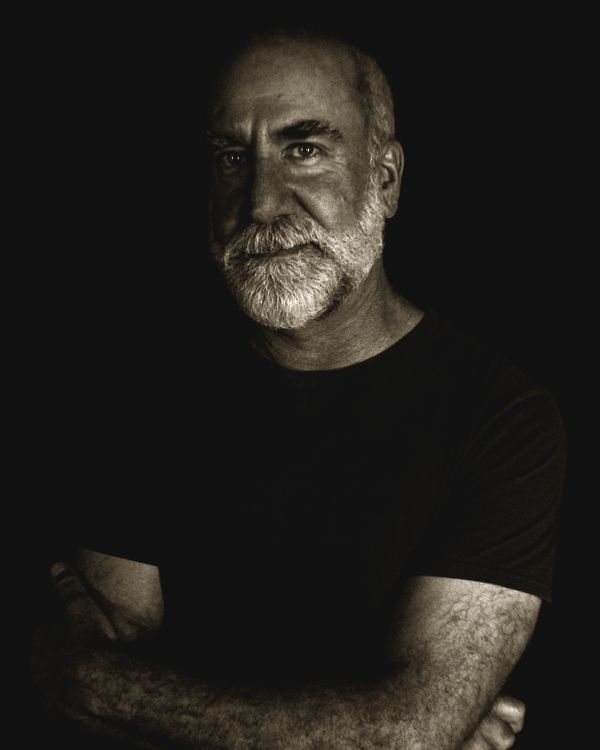
Dean Smith @d_hematins
Dean Smith creates drawings, collages, and videos. His work reflects upon the measure of time, the peculiarities of space, and the ceaseless human impulse to render the invisible visible by inviting us to join him in a slow, rich meditation on an idea as it unfolds to its conclusion. A recipient of a California Arts Council Fellowship Award, Smith's work is placed in prominent public collections, including The British Museum; Hammer Museum; LACMA; Buffalo AKG Art Museum; The Art Institute of Chicago; Achenbach Foundation for Graphic Arts, Fine Arts Museums of San Francisco; Pennsylvania Academy of the Fine Arts; and the Berkeley Art Museum and Pacific Film Archive. He is represented by Anglim/Trimble, San Francisco and Eli Ridgway Gallery, Lisbon, Portugal, and has had solo presentations at Christopher Grimes Gallery, Santa Monica; Marvelli Gallery, New York; and Gallery Joe, Philadelphia in addition to numerous group exhibitions in galleries nationally and internationally. Smith lives and works in Oakland, California.
Statement: My work does not need to have a fixed meaning in order to make one feel something. Because the space of affect inflects the liminal edges where meaning fades in and out, where instead of being able to define with words what we’re seeing, we are left only to feel in response to what is before us. And this is truly a gift.
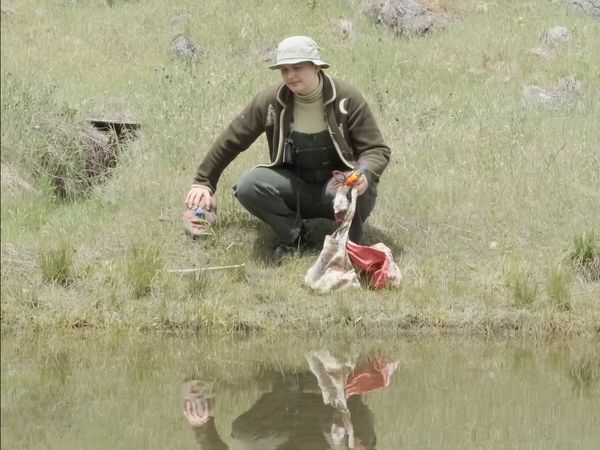
Gracianne Kirsch @graciannekirsch
Gracianne Kirsch is an Oakland-based artist researching queer temporalities and non-linear ways of knowing, using drawing, painting, poetry, video, and installation. Kirsch pulls from bodily memory and recollections of home/land, working toward creating a trans-dimensional exploration of identity and place. Kirsch received their BA in Art Practice and Social Welfare at University of California Berkeley in 2022, and their MFA in Art Studio from the Maria Manetti Shrem Art Studio program at University of California Davis in 2024. Kirsch has exhibited at the Manetti Shrem Museum of Art (Davis), Worth Ryder Gallery (Berkeley), East Bay Creative Lab (Oakland), Berkeley Art Center, 120710 Gallery (Berkeley). Kirsch’s writing has been published twice in Makeshift Magazine. Kirsch was a July 2026 artist resident at Winslow House Project in Vallejo and a May 2027 artist resident at Kala in Berkeley.
Statement: I research memory and time using a blend of drawing, poetry, and installation, and video. My work operates in queer temporalities, grounded in queer theory, particularly the writings of Paul Preciado, S Bear Bergman, Andrea Lawlor, Jack Halberstam and more. My art and I embrace a nonlinear understanding of time. I draw on recollections of the body and land, working toward creating a trans-dimensional exploration of memory and identity. I grew up on the top of a mountain, on an off-the-grid homestead, our closest neighbors an hour away. I developed an entangled relationship to land, relying heavily on the woods for companionship. Often my work confronts this strange upbringing, in remembering, in re-remembering. My work is partly autobiographical. While the linework of my drawings tends to focus on bodies and interiors, my relationship to mountain, city, and town can be found in the textural build up and removal of material. The soft skies and the murky puddles. The figures in my drawings and videos are often restrained by gravity, stretching down, slouching, or laying. Figures are heavy at rest, holding their own weight, holding the burden of memory, holding the force of trans selfhood, holding affliction to the body. When figures are caught naked, in bed, at home, they pose for an audience, in performance or in a visual exchange, sharing space with viewers. Importantly, embedded throughout my research and practice are moments of silliness and sweetness. My videos are a scattered collection of interactions, functioning like poems in their structure. They capture performance and play in a disparate and curious exploration of the body’s emotional relationship to object and space. Objects in a cluster are like people in a family. Space is non-fixed, it floats, like unstuck time, like a memory. Rooms fold and dissolve and merge, like a dream or an unsteered fantasy. Time is this big unruly thing: it expands, hardly restrained. To queer time in my art is to study this expansion, to record the disrupted bodies, objects, and places in time’s wake.
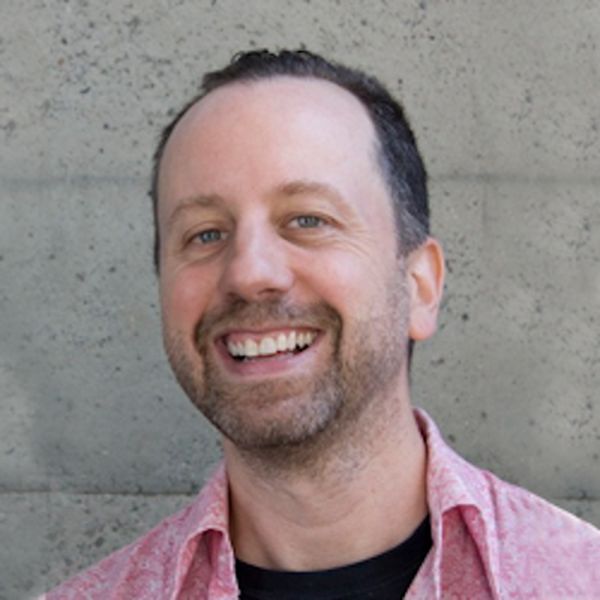
Jonathan Bachrach @bachrach.arts
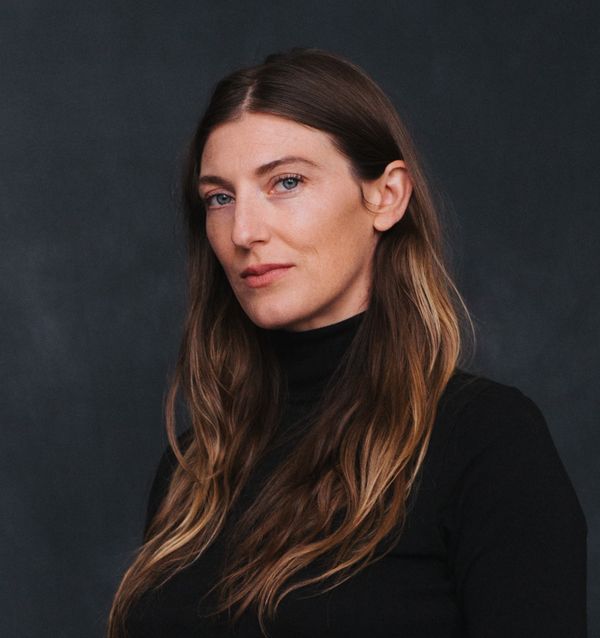
Kelley O'Leary @kelley__oleary
Kelley O’Leary (b. Quincy, Massachusetts) is an interdisciplinary artist based in Richmond, CA. Working across imagemaking, sculpture, video, and installation, she explores the relationships between media infrastructure, images and cosmic material bodies. Interested in speculative methods, she engages with both made and found artifacts that reflect the ways networked technologies mediate perception and restructure temporalities. She is co-curator of Living Room Light Exchange, a new media art salon based in the San Francisco Bay Area. Kelley received her MFA from the University of California, Davis in 2022.
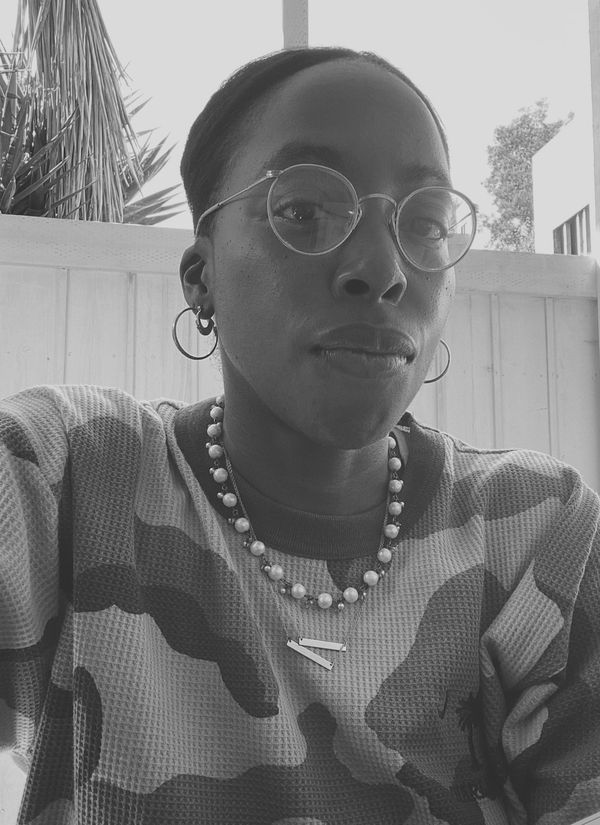
nkiruka oparah @jnkiruka
nkiruka oparah is an artist and designer whose work engages aspects of drawing, collage, printmaking, sculpture, experimental animation, fashion, and installation. Their abstract compositions explore ideas of time, spirituality, and the diasporic psyche. They received a B.S. in Psychology from the University of Georgia and hold an MFA from California College of the Arts. oparah’s work has been exhibited at Eleanor Harwood Gallery, San Francisco; LAND AND SEA, Oakland; the University of California, Berkeley; 副本 INSTANCE, Shanghai, China; Museum Ludwig, Cologne, Germany; the School of Visual Arts, New York; the Museum of African Diaspora, San Francisco, and the Ford Foundation in Lagos, Nigeria, among others. They have been awarded a Fellowship Grant in Race & Ethnicity Studies from Brown University (2024) and have participated in artist residencies at Mood Projects, Anderson Ranch, BRIC Arts Media, and Kala Art Institute. Based in Oakland, CA, oparah is currently a Lecturer in the Experimental Media Arts program at Stanford University.
Statement: Created over the past two years, up until the past two weeks, the works I’ve included in Drawn explore mark-making gestures—some using water and drawing tools, others formed more expansively through the movement of my entire body. I work on the ground or, ritualistically, at the kitchen table. I find beauty and inspiration in everyday materials, often creating works on paper that take shape entirely within the present moment. I use my practice as an ongoing investigation of medium, material, and process—one that collapses the boundaries between landscape (psychological, emotional, art-historical) and portraiture.
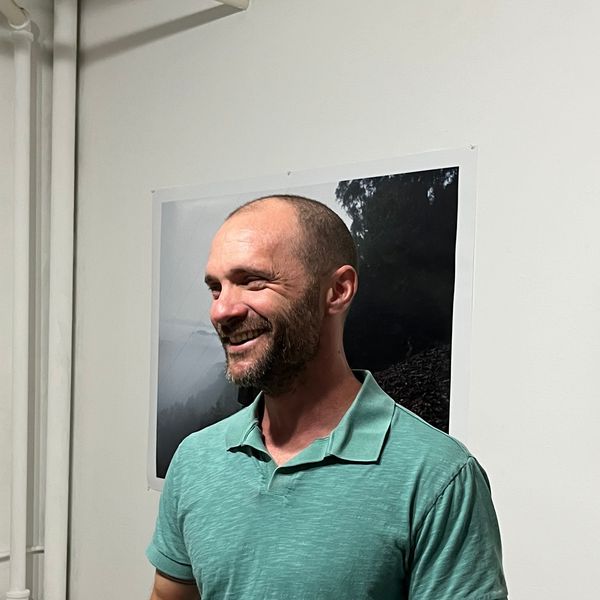
Paul Taylor @paultaylor_art
Paul Taylor was born in Minnesota and lives in Oakland, CA. He received a BA from Carleton College and an MFA from the University of California, Davis. Paul works across multiple media including sculpture/installation, video, performance, photography, and drawing. His work explores the effects of increased digital immersion on the ways we connect to each other and the world around us. In the last few years, his inquiries have expanded to encompass the relationship between loss, disappearance, and memory. Paul has exhibited his work at the Headlands Center for the Arts in Sausalito, CA; the Contemporary Jewish Museum in San Francisco, CA; and Roundweather Gallery in Oakland, among others. His videos have screened at festivals nationally and internationally. Paul has published articles in the Parsons Journal of Information Mapping and Media-N Journal. Paul’s alter ego runs a small business designing and building custom furniture.
Statement: My drawings record rectilinear, minimal forms that fade into the background. There is a tension between the objects themselves, created digitally and transferred to the page mechanically in a white, dry medium, and the backgrounds laid down in ink, a liquid medium that is hard to control. Originally inspired by the vestigial military structures in the Marin Headlands, some of these objects take on an element of melancholy. Their original function has faded away and they are in the process of being subsumed by the landscape. For me, the figures in these drawings carry an element of loss—loss of people and things, but also of memories—as they appear to be only partially there, or perhaps in the process of fading away. However, the figures are also fleshed out by the layers of ink that make up their background. They are located on the page and defined by their environment, in much the same way that we are grounded and defined by the environments we inhabit.
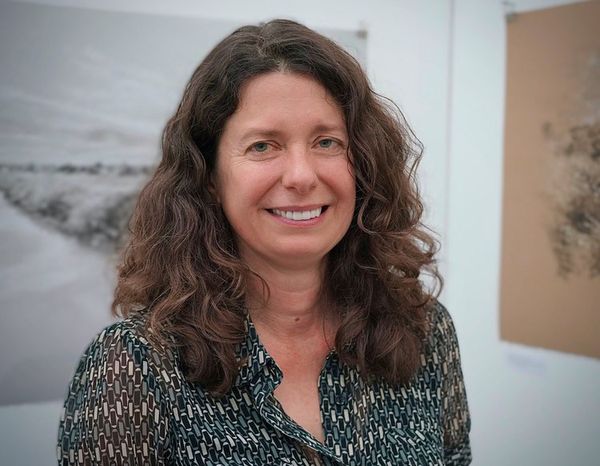
Sarah M Newton @sarahmnewton
Sarah Newton is a San Francisco artist who works primarily on paper in a variety of media including drawing, etching, and woodblock printing. In her work Sarah often focuses on spaces and details of the everyday built environment that generally exist at the periphery of attention. Her drawings have been included in New American Paintings, and Manifest Gallery’s International Drawing Annual #14. . Sarah has also been a featured artist for the San Francisco Center for the Book's Roadworks printmaking event, was invited to create an artist's book, That's It, Liquor Beer Wine, published by the SFCB's Imprint Publications, and has recent solo and group exhibitions in the Bay Area, London, and Yokohama. Artist residencies include Playa, Monson Arts, Penland school of Craft, and VCCA. She has a degree in printmaking from the California College of the Arts.
Statement: For the last few years I have been walking sections of the San Francisco Bay shoreline, following the map of the SF bay trail’s as-yet incomplete segments; this planned 500-mile path has been under construction for 30 years but only about 350 miles have so far been built, and it exists in discontinuous pieces. Visiting the broken lines on the map takes me to places outside of public use, unimproved lands that still contain the remnants of the maritime and military past of the shoreline, areas of infrastructure and industry that are overlooked. The landscape is transitional, not only due to the Bay Area’s appetite for developable land, but also as a result of gradual land subsidence and rising sea level. I have been sketching, photographing, and making drawings of the unimproved landscape as I go. These drawings included here are of the discernible endpoints of the trail sections where they hit the construction sites, industry, and restricted areas that prevent the trail from completing the circuit. Many of those obstacles, like airports, petroleum storage tanks, power stations, are linked directly to the future changes that could imperil their own surroundings. Accompanying a series of ink and gouache landscape drawings on paper, larger drawings on yupo focus on small details from the environment, modest built barriers found at the tideline drawn large and with meticulous care.
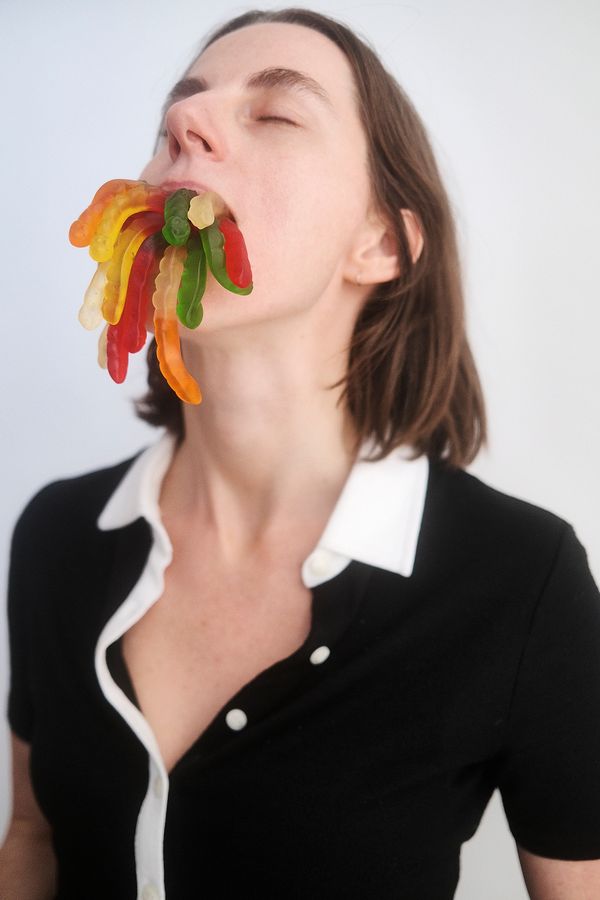
Selby Sohn @selbysohn
Selby Sohn is a Bay Area artist who creates objects and actions on the brink of utility. They have exhibited nationally, internationally, and in outer space. Right now, their work is on a NASA PACE-1 satellite orbiting Earth. They have also shown work at di Rosa Center for Contemporary Art, Poetic Research Bureau, 2220 Arts, 500 Capp Street (David Ireland House), de Young Museum, A|AH|D Gallery at the University of Notre Dame, Dream Farm Commons, Liminal Space, Bass and Reiner in Minnesota Street Project, 4 Star Theater, NIAD Art Center, Berkeley Art Center, Root Division, The Backyard Plague, Wave Collective Space, Cone Shape Top, the Edouard de Merlier Gallery at Cypress College, Mini Mart, Flowers Art Gallery, Mercury 20 Gallery, The Faight Collective, The Search, Thee Stork Club, ATA Window Gallery, Developing Environments, F8, Mission Bowling Club, Daily Diver, Borderline Art Collective, On-Off Site, Pacific Art League, SOMArts, East Window in Boulder, Colorado, the City of Palo Alto Public Art Program, Fish Factory Art Space in Penryn, Cornwall, UK, and Supermarket in Stockholm, Sweden. Sohn curates a space called Your Mood Projects in Dogpatch, San Francisco, and their writing is published in KQED, Squarecylinder, The Racket Journal, Third Iris, Journal.fyi, and the LA Telephone Book.
Statement: In maybe the weirdest story of my life, I can’t stop drawing worms. When I first started drawing them, I was at Fish Factory Arts Space in Penryn, Cornwall, England. Camilla Stacy told me that a local artist, Georgia Gendell, is also into worms — so into them, in fact, that she took a worm to a paint store, got it scanned, and painted a barn worm-colored.* Georgia also runs the Falmouth Worm Charming Championship, where people dress up and play instruments to try to get worms to arise from the ground. It is a competition. I attended a Worm Charming with my friends Scamp and Jesse and we ended up on ITV, National British Television. At one point, Scamp told a news anchor that I had come from San Francisco to attend. She repeated, “YOU CAME ALL THE WAY FROM SAN FRANCISCO TO ATTEND A WORM CHARMING?” I said yes. She asked me why. I then proceeded to make up a bunch of facts about worms on National British Television. I blacked out and completely forget what I said, but at some point, she turned back to the camera and exclaimed, “WE WOULDN’T EXIST WITHOUT WORMS.” I must have been convincing. So yeah, anyway, I can’t stop drawing worms. *I met Georgia, and it was clarified that there two colors of worm from the paint store. One of the colors is very brown, and Georgia suspects that it is of the worm’s intestinal tract. So… the shade of worm poo.
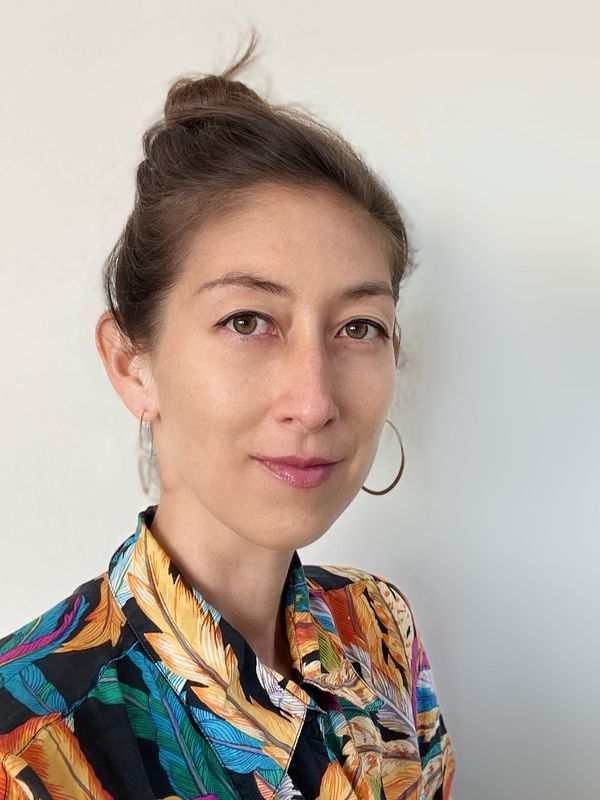
Tanja Geis @geis.t
Tanja Geis is a Hong Kong-born visual artist whose site-based work explores intimacy within human-disturbed ecosystems. She holds an MFA in Art Practice from UC Berkeley, an MA in Marine Management from the University of Akureyri, Iceland, and a BA in Fine Art from Yale University. Geis has exhibited at venues including the FOR-SITE Foundation, Berkeley Art Museum, Santa Cruz Museum of Art and History, and Institute of Contemporary Art San Francisco and galleries throughout Iceland, Scotland, England, Hong Kong, and Japan. Her artist residencies include the Headlands Center for the Arts, Institute of Contemporary Art San Francisco, Djerassi Resident Artist Program, Blue Mountain Center, and Kala Art Institute. Geis is based in Oakland, California.
Statement: I create immersive, site-responsive drawings, installations, and sculptures that emerge from research into and intimate encounters with edge ecosystems and species disrupted by human activity. My work explores how queering, drawing close to, and engaging with the often overlooked or intentionally hidden impacts of humans on the liveliness of non-human entities might foster empathy and transform our perception of our place in, and responsibility toward, the ecological web. The unseen ocean and the coast as threshold consistently recur as potent spaces for this inquiry. My practice employs the repetitive accumulation of marks and/or objects to draw the viewer into a curious, unsettled, intimate seeing. Patterns emerge and retreat, seemingly in a state of continual transformation. My process is guided by the question: What new ways of seeing might help us live with grace in these mongrel ruins of our own creation?
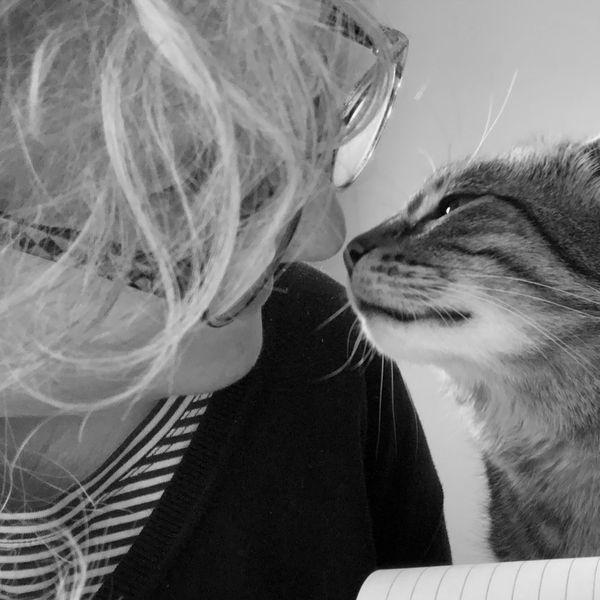
Tracy Grubbs
Tracy Grubbs (b. 1964, Pittsburgh, PA) is an interdisciplinary artist whose work explores impermanence, interconnection, and the liminal space between self and other. She utilizes painting, mixed media and performance to create works that draw on her background in environmental conservation and her decades-long spiritual practice. Grubbs earned a BA in Environmental Studies and Political Philosophy from St. Lawrence University and has studied art and art history at U.C. Berkeley, The San Francisco Art Institute and the Academy of Art of Art University in San Francisco. She regularly attends workshops by the artist and educator duo Rosenclaire outside Florence, Italy. Her work has been shown nationally and internationally, most recently at the Contemporary Jewish Museum in San Francisco. Other venues include the Headlands Center for the Arts, Round Weather Gallery in Oakland, the Morris Graves Museum of Art, and the Marin MOCA. In 2022, she was nominated for the SECA Artist Award sponsored by the San Francisco MOMA. And in 2023 she received an Artist Grant from the San Francisco Arts Commission. Her collaborative street performances with choreographer Hope Mohr were featured in the International Colloquium on Art History in Mexico City in 2021. She continues to work on The Gift, a project which shifts the cultural capital of art away from the market by finding alternative ways for paintings to circulate. Grubbs currently lives and works in San Francisco, CA.
Statement: I make paintings, collages, drawings and street performances that highlight the fundamentals of interconnection and impermanence, often exploring the liminal space between self and other. The Deer is a series of ink on paper drawings inspired by a poem by Laurie Sheck. In the poem, an encounter with an injured deer becomes an existential meditation on human life and on the slippery nature of perception. These ink on paper portraits are made using a wet-on-wet technique that is both unpredictable and exacting in its effort to capture the spirit rather than the precise likeness of an individual. The wet ink, like Sheck’s poem, asks me to wrestle with the slippery nature of the form until something like a deer emerges from the interplay of light and shadow.
Curator
Paul Taylor @paultaylor_art
Paul Taylor was born in Minnesota and lives in Oakland, CA. He received a BA from Carleton College and an MFA from the University of California, Davis. Paul works across multiple media including sculpture/installation, video, performance, photography, and drawing. His work explores the effects of increased digital immersion on the ways we connect to each other and the world around us. In the last few years, his inquiries have expanded to encompass the relationship between loss, disappearance, and memory. Paul has exhibited his work at the Headlands Center for the Arts in Sausalito, CA; the Contemporary Jewish Museum in San Francisco, CA; and Roundweather Gallery in Oakland, among others. His videos have screened at festivals nationally and internationally. Paul has published articles in the Parsons Journal of Information Mapping and Media-N Journal. Paul’s alter ego runs a small business designing and building custom furniture.
Statement: My drawings record rectilinear, minimal forms that fade into the background. There is a tension between the objects themselves, created digitally and transferred to the page mechanically in a white, dry medium, and the backgrounds laid down in ink, a liquid medium that is hard to control. Originally inspired by the vestigial military structures in the Marin Headlands, some of these objects take on an element of melancholy. Their original function has faded away and they are in the process of being subsumed by the landscape. For me, the figures in these drawings carry an element of loss—loss of people and things, but also of memories—as they appear to be only partially there, or perhaps in the process of fading away. However, the figures are also fleshed out by the layers of ink that make up their background. They are located on the page and defined by their environment, in much the same way that we are grounded and defined by the environments we inhabit.
 https://www.120710.art
120710.art 1207 Tenth Street
Berkeley, CA 94710