All Form No Function
Curated by Alex Ehmer, Sammy Gripe, Megan March
- Abigail Freed
- Ali Vaughan
- amy lange
- Anna Tung
- Ariel Oakley
- Brian Madden
- Caleb Wheeler
- Cam Redd
- Camila Michaliszyn
- christopher cobillas-ottinger
- Elizabeth Medrano
- Ethan Wright
- Evgeniya Korotchenko
- Evie Hidysmith
- Jacqueline Garrity
- jamie weinstein
- Jan Blythe
- Joanne Wang
- Juliane Roberts-Hansen
- Katie Pivovar
- Katie Revilla
- Laura Van Duren
- Luke Heimbigner
- Megan March
- Phoebe Deutsch
- Pénélope Lenaerts
- Saiya Williams
- Sammy Gripe
- Steen Kjorlie
- Taylor Shantz
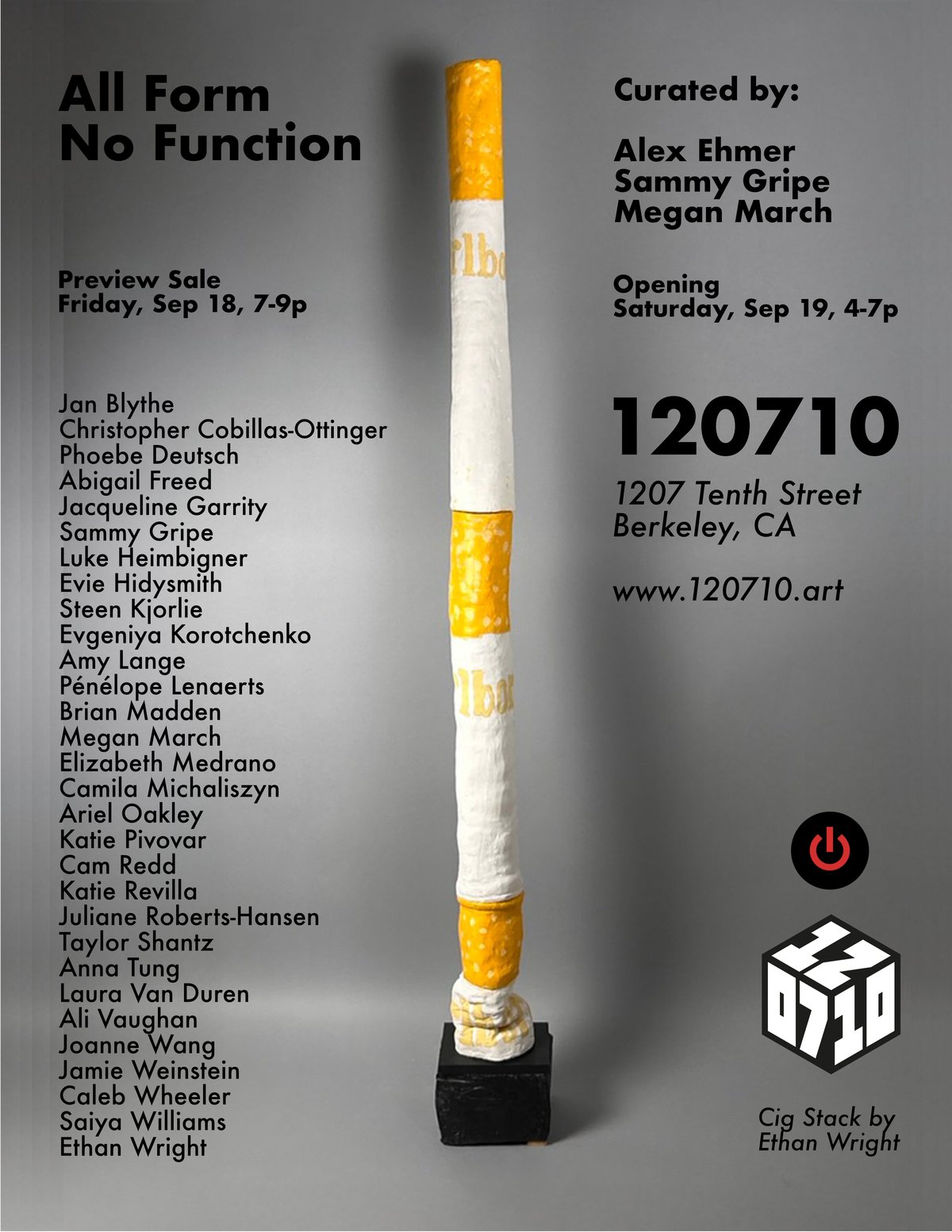
All Form No Function invites artists working in installation and sculpture to explore space beyond utility. We are interested in works that create immersive environments, experimental sculpture studies, objects that question the assumption that everything must do something. In a culture obsessed with optimization, efficiency, productivity, and purpose, this exhibition celebrates the unnecessary. We are seeking sculptures and installations that prioritize presence over performance.
Works
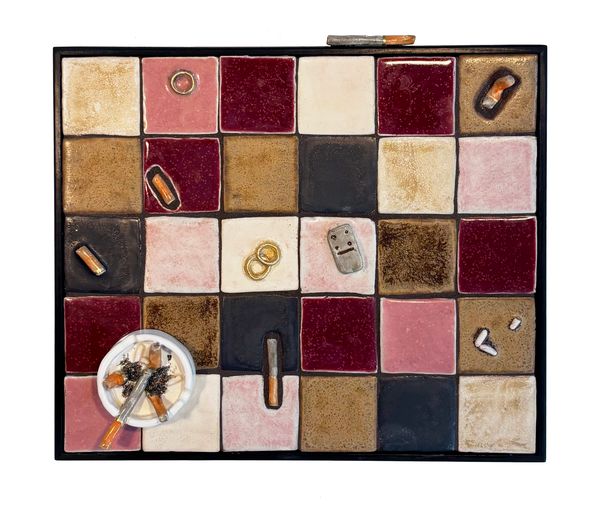
Abigail Freed
Goldmine, 2026
Stoneware, ceramic glaze, grout
14 × 17 × 1.5 in
$1,200
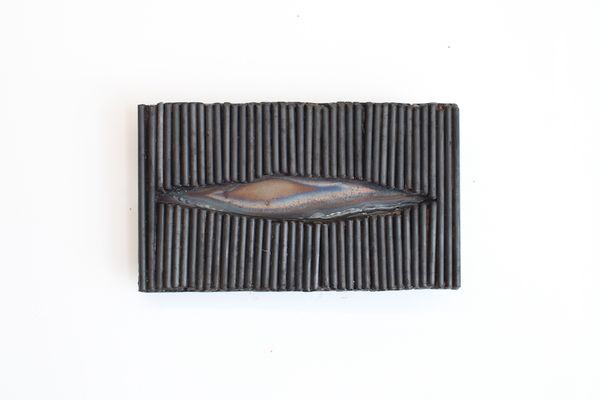
Ali Vaughan
Fossil I, 2022
Steel, Heat Patination
11 × 7 × 3 in
Price on Request
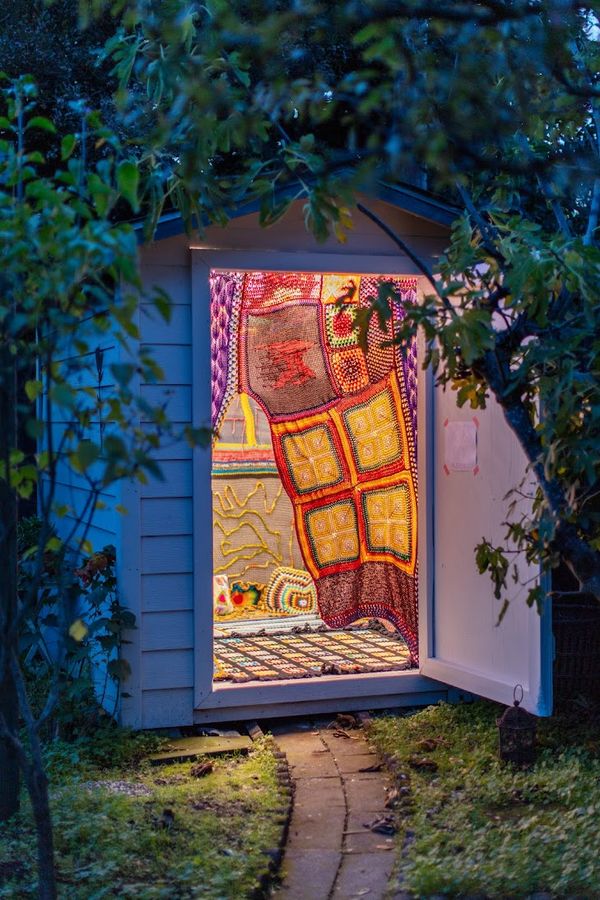
amy lange
This Clubhouse Did Not Previously Exist, 2025
Found texiles and yarn.
72 × 96 × 84 in
Price on Request
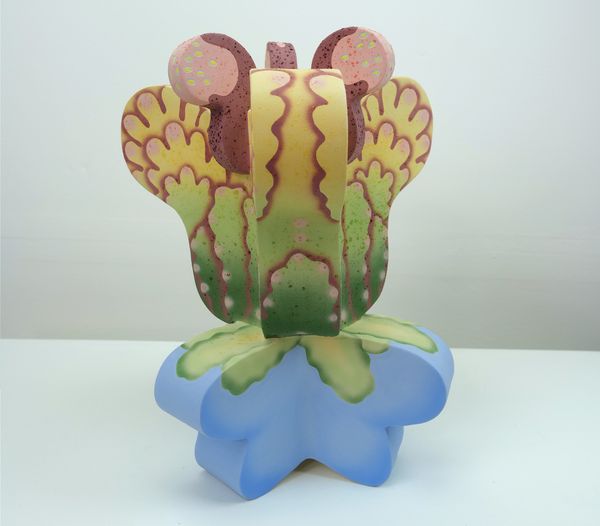
Anna Tung
The Long Bloom, 2026
clay, underglaze, glaze
13 × 11 × 13 in
$2,480
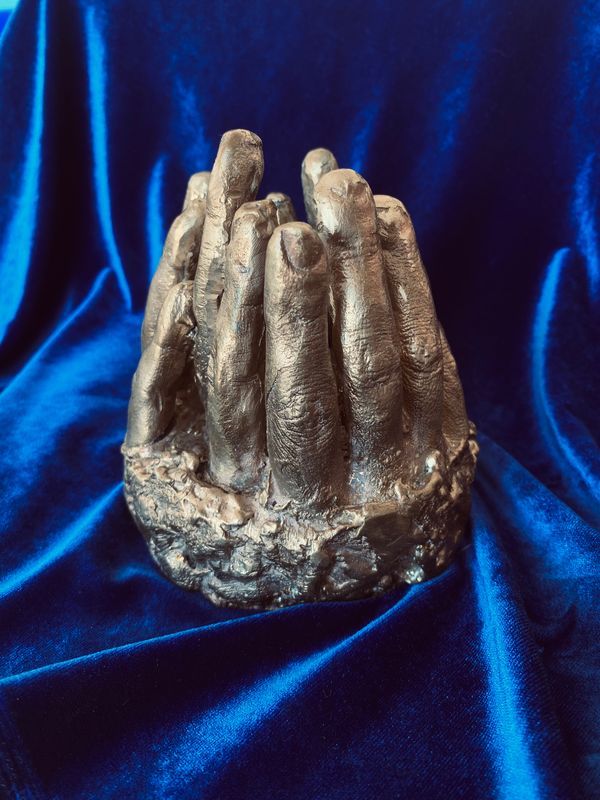
Ariel Oakley
Purgatorio, 2026
Bronze
5 × 10 × 5 in
$1,600
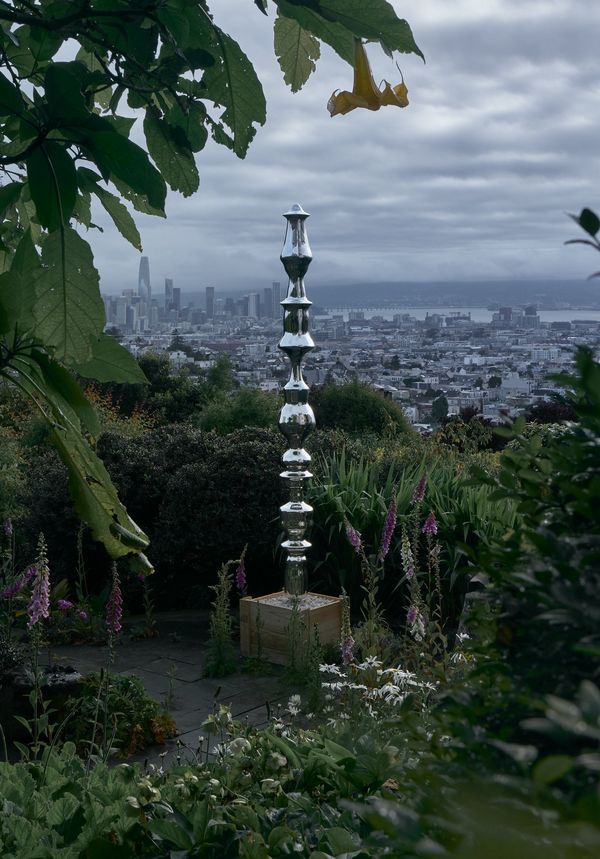
Brian Madden
Sonic Monument to the Morning Dew, 2024
Silver-nitrate, poplar, steel, marble, sand.
24 × 126 × 24 in
$24,000
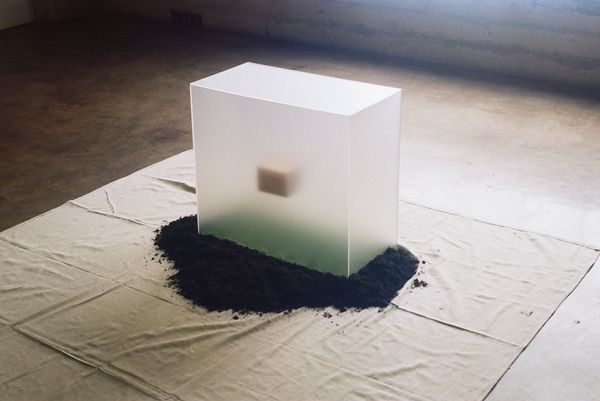
Caleb Wheeler
Air, 2023
Mixed media installation: acrylic, monofilament, found wood, moss, topsoil
30 × 24 × 12 in
$2,700
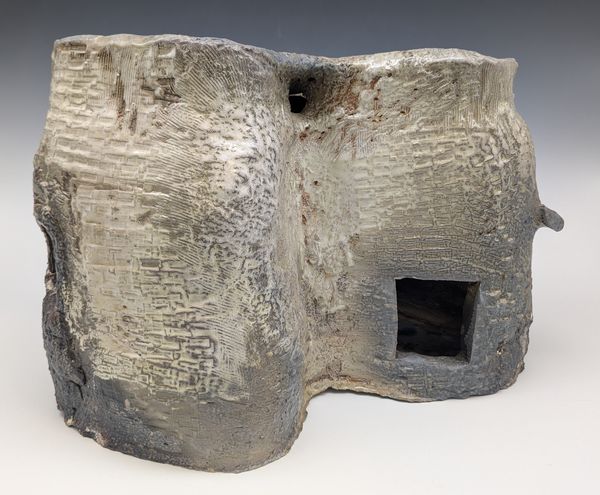
Cam Redd
Sandcastle, 2023–2024
Stoneware clay
11 × 16 in
Price on Request
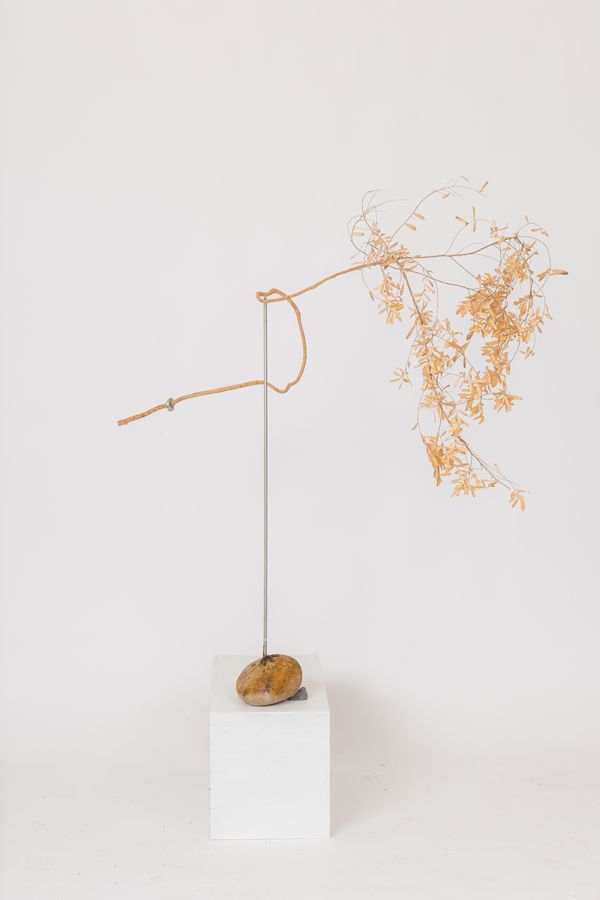
Camila Michaliszyn
I was once a tree, 2025
branch, metal, rock, motor https://www.youtube.com/shorts/tQaFrRaqc_o
40 × 5.7 × 10 in
$400
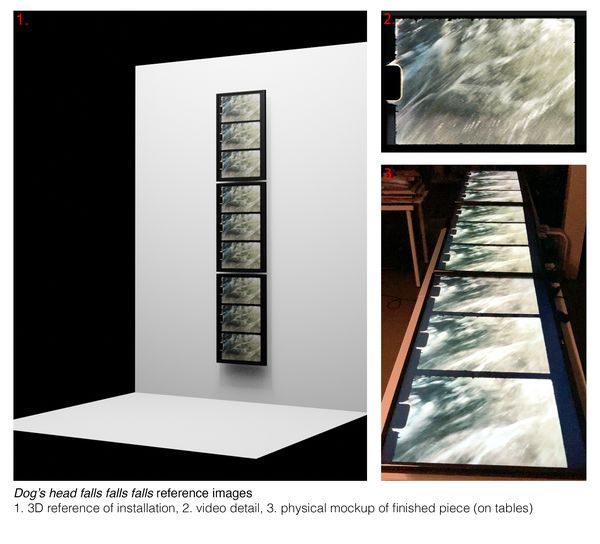
christopher cobillas-ottinger
Dog's Head Falls Falls Falls, 2025–2026
Digitized Super 8mm film, LCD panels, video splitter, electronics, hardware
21 × 114 in
Not For Sale
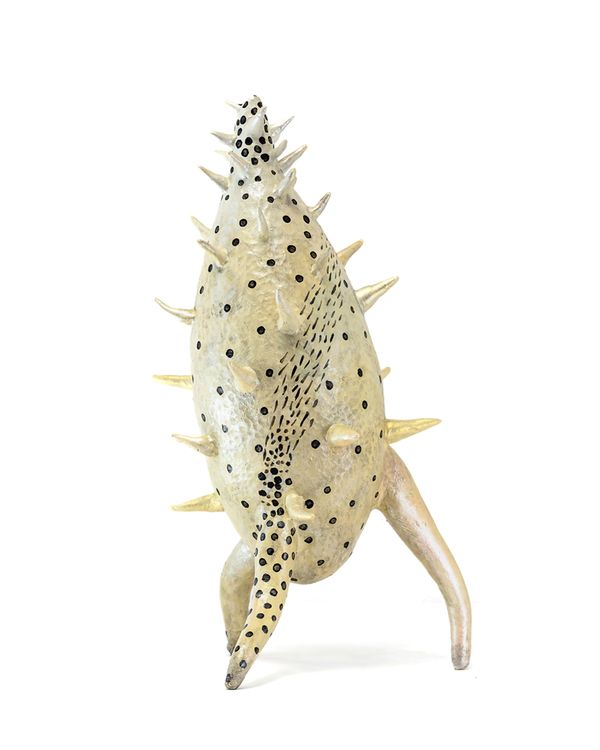
Elizabeth Medrano
Encoded Gait, 2025
Acrylics on bisque ceramic
8 × 15 × 7 in
$450
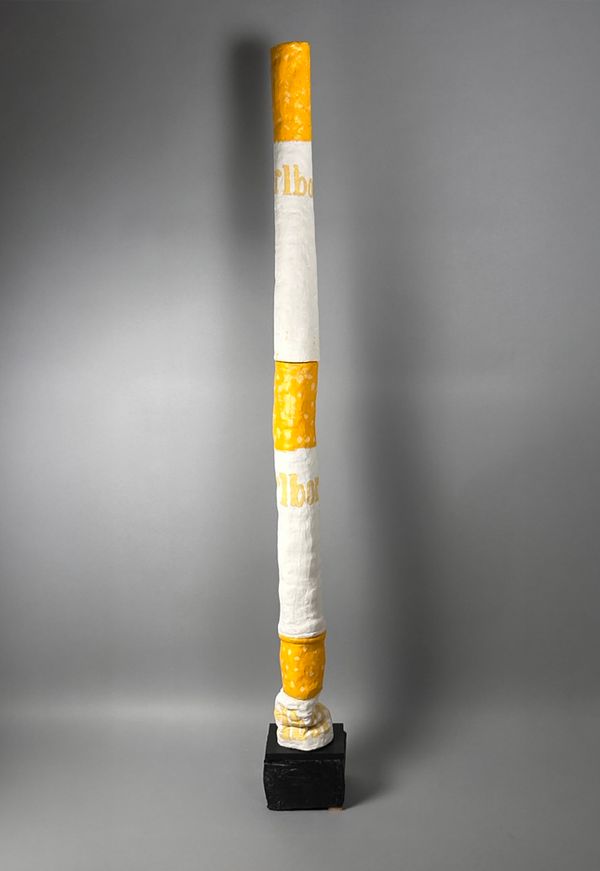
Ethan Wright
Cig Stack, 2026
Stoneware, House Paint
8 × 74 × 8 in
Best Offer (min $3,000)
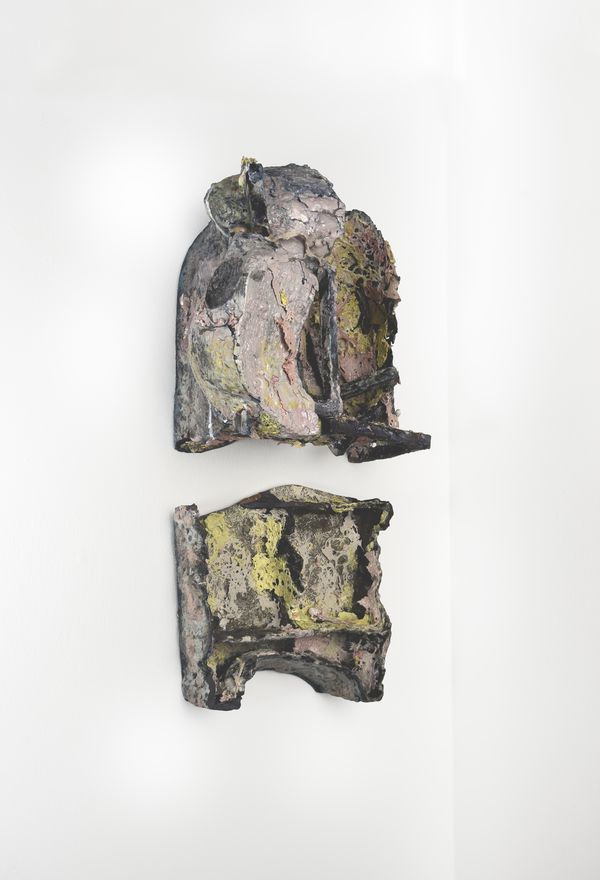
Evgeniya Korotchenko
Body Of Two, 2025–2026
ceramics, copper, solder
12 × 26 × 11.5 in
$2,026
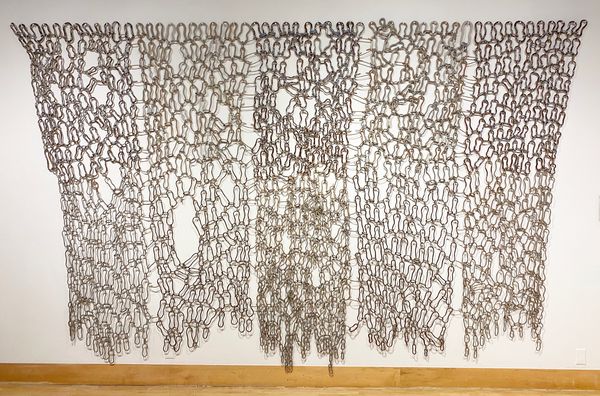
Evie Hidysmith
3286 Loops, 2026
glazed ceramic
180 × 96 in
$5,000
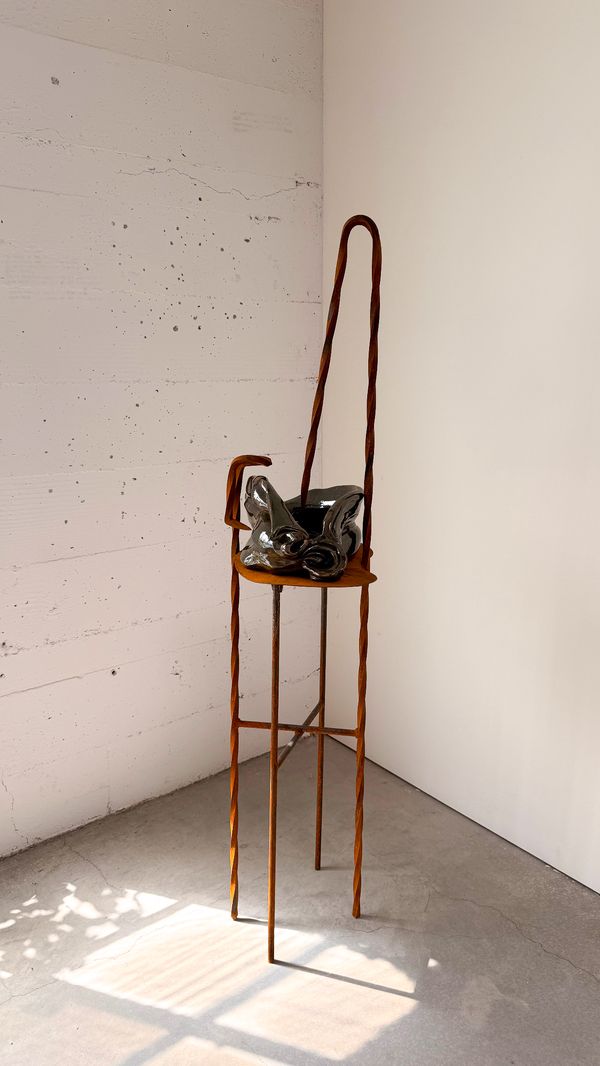
Jacqueline Garrity
Medicine, 2026
Steel, Ceramic
12 × 55 in
$1,200
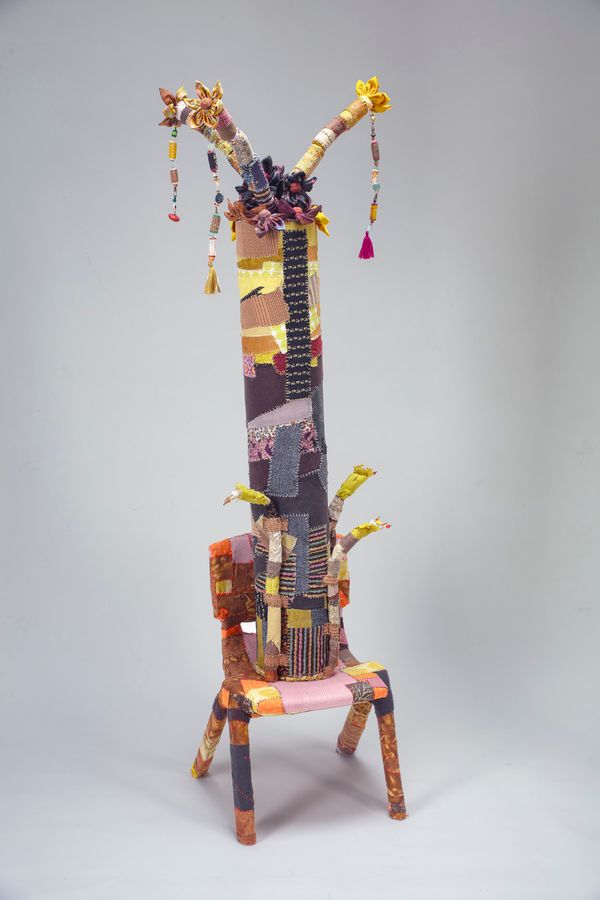
jamie weinstein
Imaginary Friend, 2026
Salvaged furniture and repurposed textiles.
15 × 48 in
$1,500
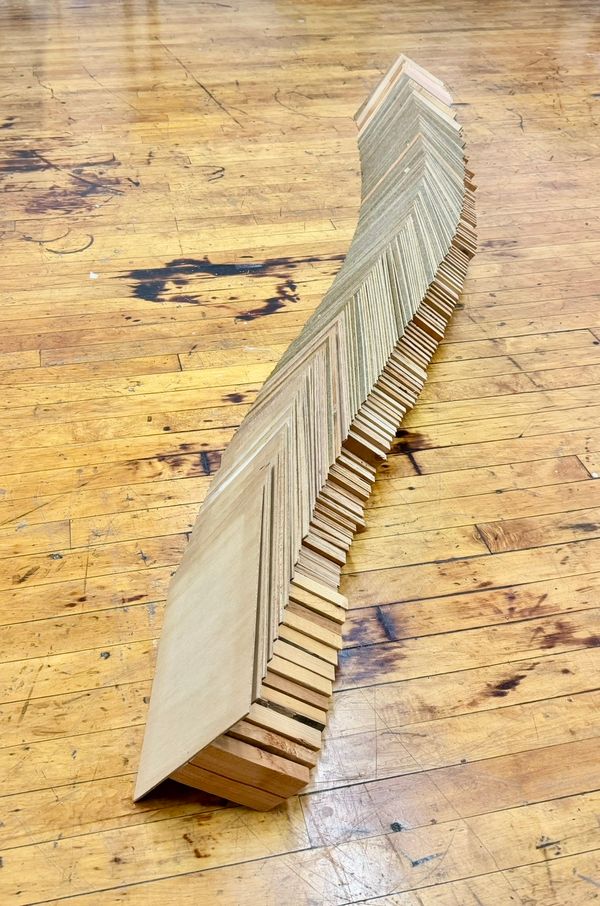
Jan Blythe
Untitled, 2024
Wood and plywood
96 × 9 × 24 in
Price on Request
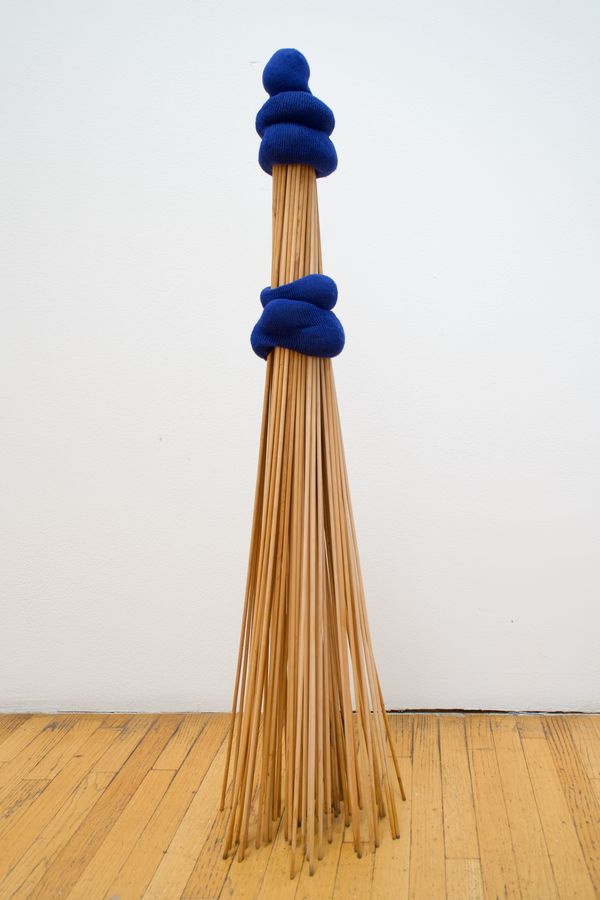
Joanne Wang
Foreigner on the Island, 2026
Philippine Airlines complimentary flight socks, reclaimed dowels.
10 × 52 × 10 in
Price on Request
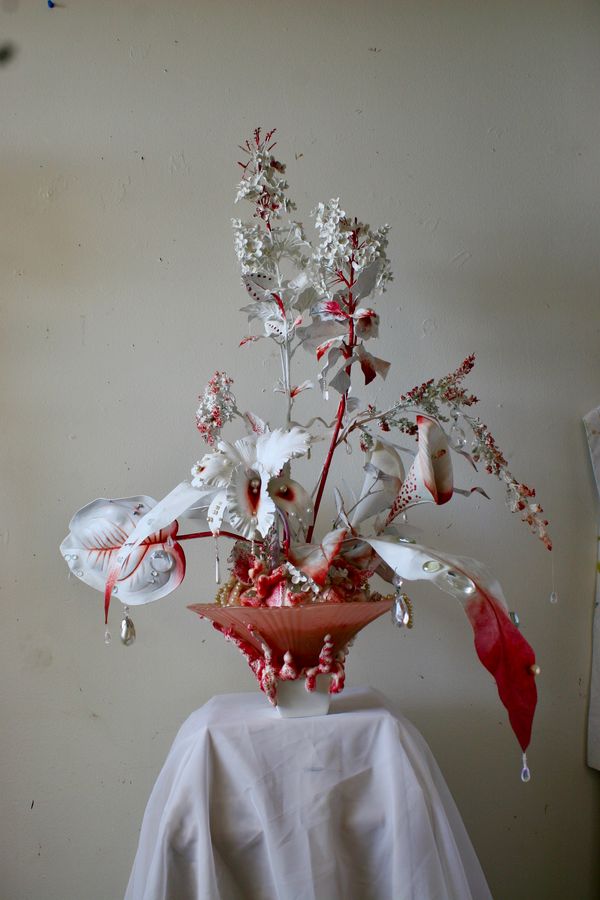
Juliane Roberts-Hansen
Pink Appendages, 2026
assemblage sculpture with: glass, foam, string, resin, acrylic
11 × 20 × 10 in
$950
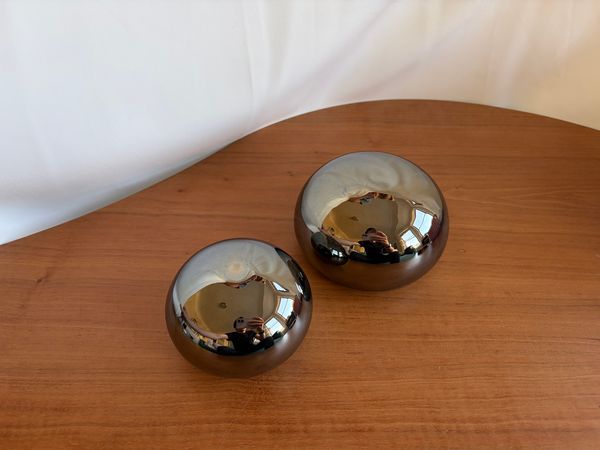
Katie Pivovar
Mercury, 2026
Glazed Porcelain
7 × 3 × 7 in
Not For Sale
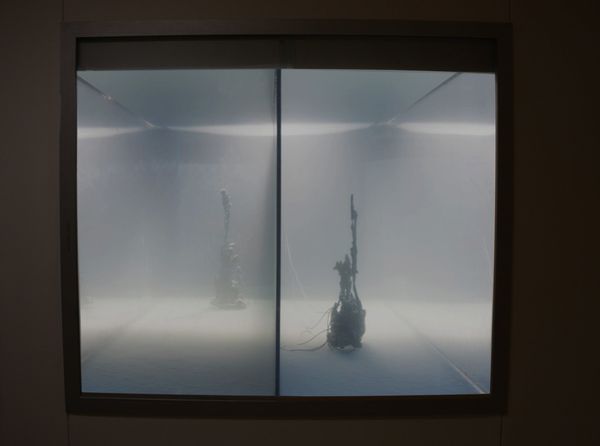
Katie Revilla
As I was moving through a thick fog, I thought I could see a silhouette in the distance, 2024
mirrored window frame, capiz shells from the Philippines, printed family photographs, trichoglottis philippinensis orchid from the Chicago Botanic Garden, broken rice, hydroponic watering system and filter, portable pressure misting pump, orchid essential oil
48 × 50 × 32 in
Not For Sale
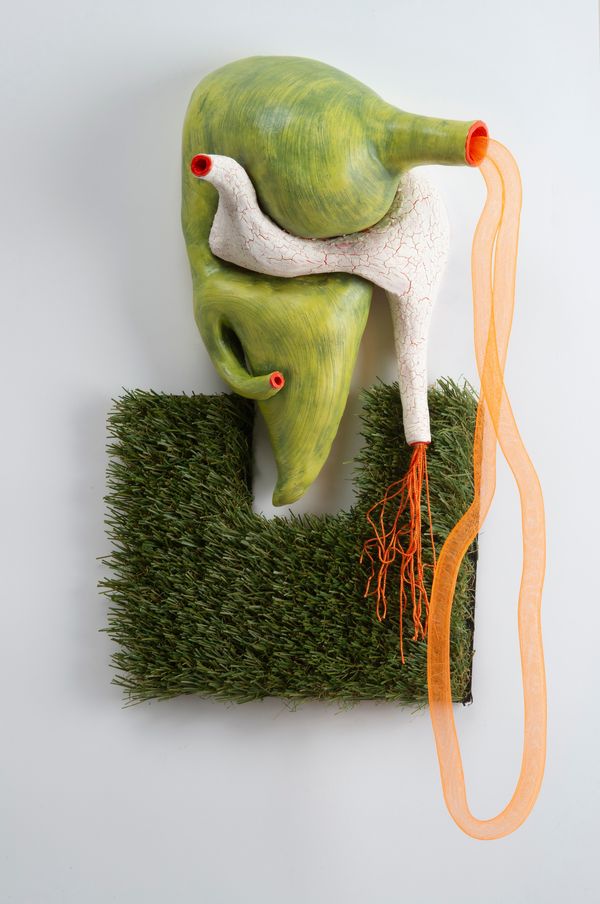
Laura Van Duren
Tangle, 2024
Ceramic, mesh tubing, artificial grass
14 × 22 × 6 in
$2,800
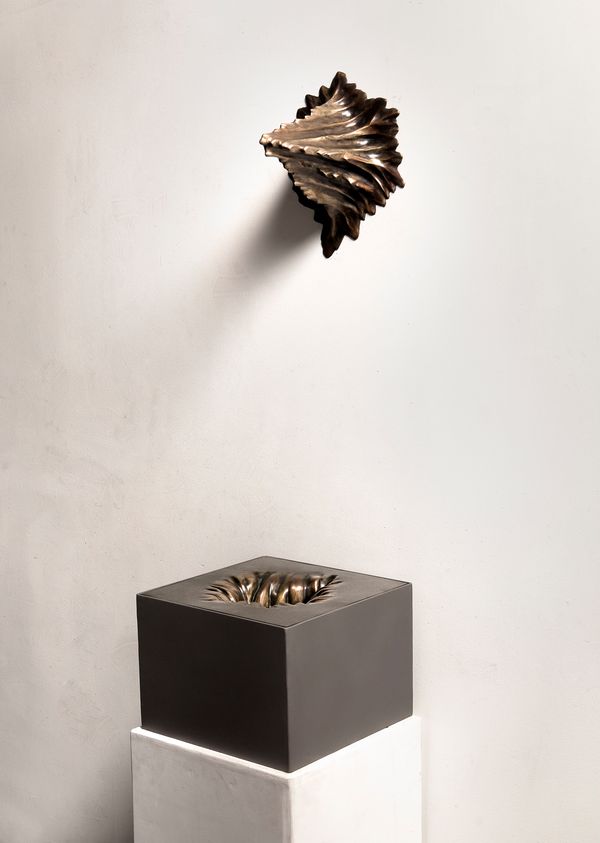
Luke Heimbigner
Range 7, 2011
Bronze with steel
60 × 16 × 16 in
$7,800
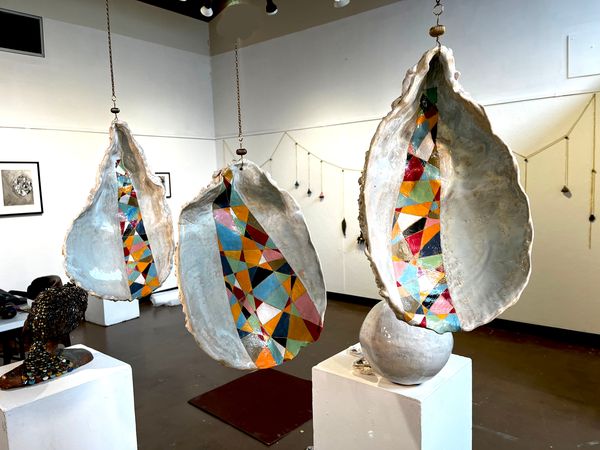
Megan March
The Three Sisters, 2024
Stoneware, brass chain
36 × 24 × 12 in
$6,400
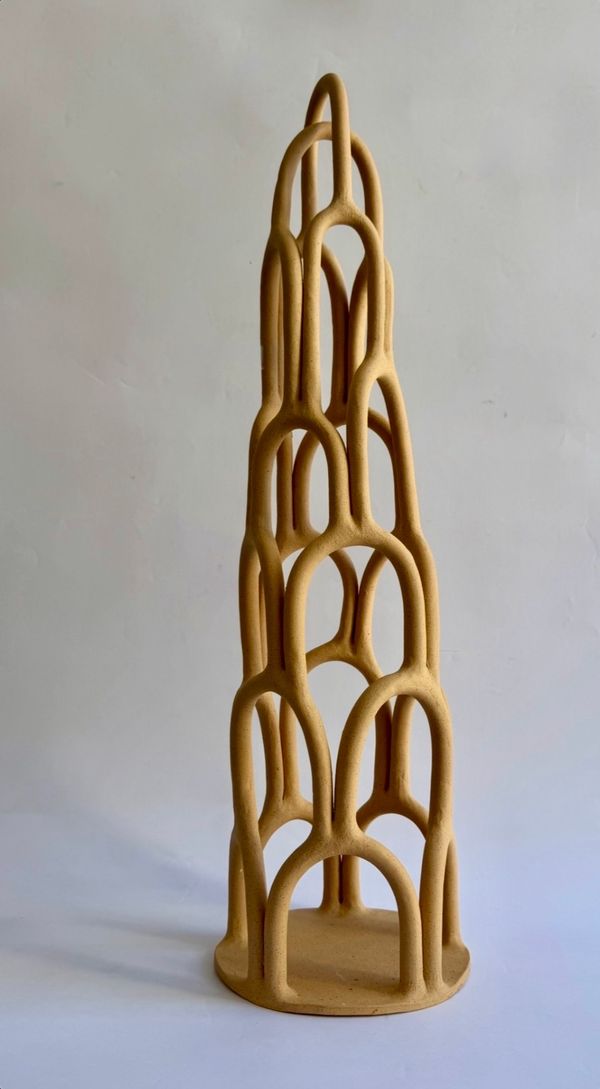
Phoebe Deutsch
Spire, 2026
Ceramic
7 × 24 × 7 in
$1,800
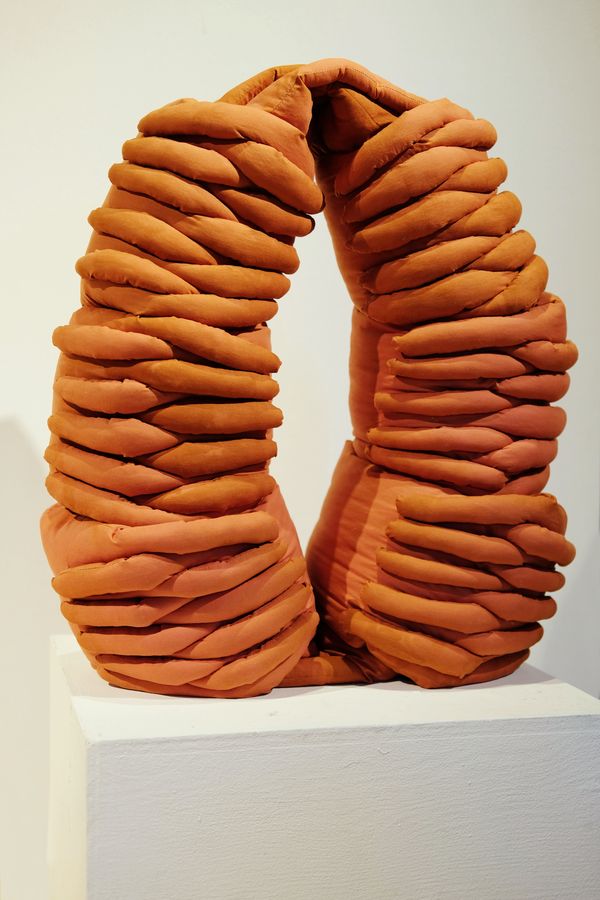
Pénélope Lenaerts
Clutch Loop, 2026
Cotton and Polyester
25 × 27 × 13 in
$475
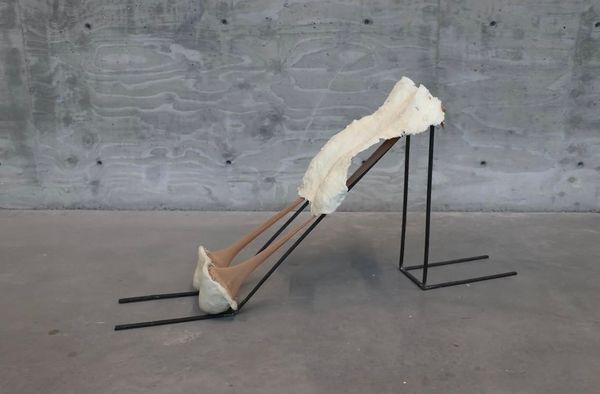
Saiya Williams
All Fours, 2025
nylon, steel, wax, plaster
72 × 36 in
Price on Request
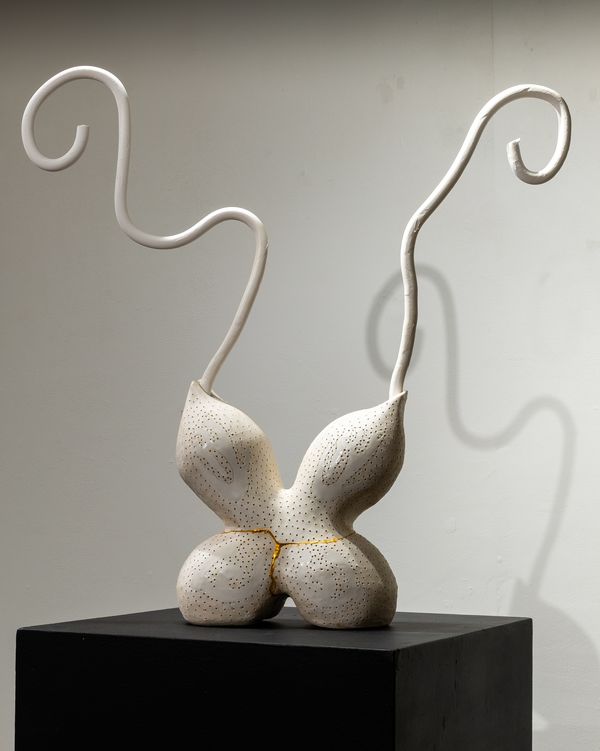
Sammy Gripe
Lasso, 2025
Porcelain, Kintsugi
11 × 30 × 5 in
$550
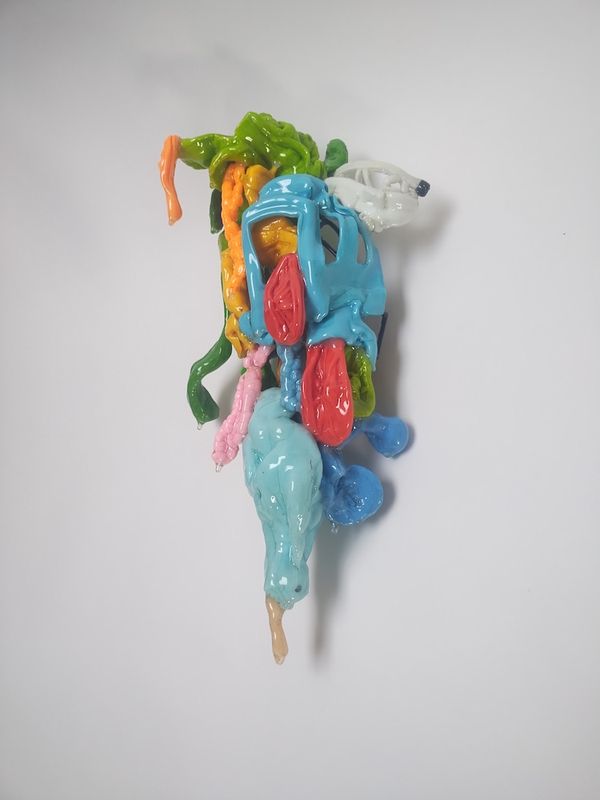
Steen Kjorlie
Endocrine Evolution, 2025
Plastic
9 × 16 × 5 in
$3,200
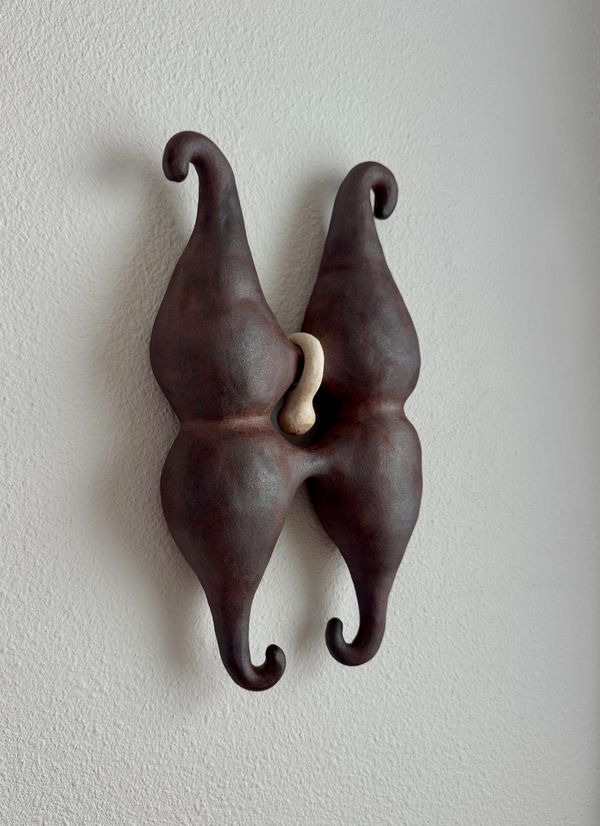
Taylor Shantz
Butterfly Body, 2026
Ceramic
7 × 14 × 4 in
$1,100
Artists
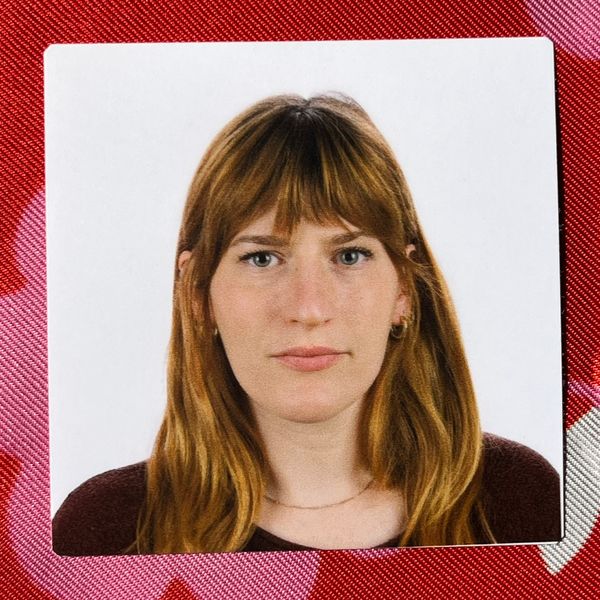
Abigail Freed
Abigail Ruth Freed is a native of Georgia, currently residing in Oakland, CA. She attended Lewis & Clark College in Portland, Oregon and holds a B.A in Studio Art.
Statement: I draw from memories of growing up in a Southern family, using storytelling, familiar objects, and regional imagery to explore life in the Deep South. Working primarily in ceramics, alongside quilting and other media, I revisit the traditions and stories that shaped my childhood. My work considers the space between the South I know firsthand and the South imagined from the outside, and how those perspectives inform ideas of place, belonging, and “Southern” identity.
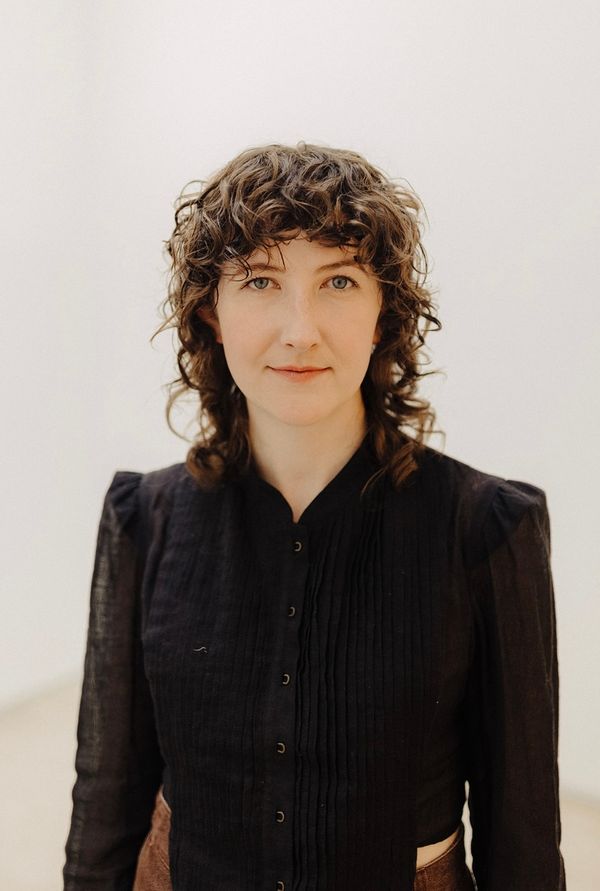
Ali Vaughan @alijetv_
Ali Vaughan is an artist based in Richmond, California. She was born and raised in Bakersfield, California, and received dual BA degrees in Art Practice (with Honors) and Art History from Stanford University in 2019. She regularly works between mediums of oil painting, drawing, and sculpture. Through process-based abstraction, her work examines notions of place and identity.
Statement: More and more, I like to think of my work as “pictures of places.” Place is not landscape or geography, city or town, location or coordinates. It is real, imaginary, both, and neither. Place is something I arrive at in my paintings. Place is an internal headspace I mine for memories. Place is an emotional state in time. The body is a place as much as a room or a landscape is. My work expands through iterations across different materials, allowing form and gesture to morph and accumulate new meaning as painting becomes sculpture becomes drawing, and so on. Iteration casts a line backwards through time, but change is equally inevitable. Sitting with the uncertainty of change has become the most integral part of my artistic process. Ultimately, each work must get lost before it can be found. Displacement, in this case, becomes necessary to finding place. Places are defined by who sees them, and from where. Vantage point matters. Some of my pieces are situated in the dark proximity of the underground. Others are aerial, distant, light, and diffuse. Sometimes the viewer is a bird, soaring over distant places, and sometimes they are a drill, burrowing into unknowable depths. As we move through the world, our vantage point changes. Familiar places can become strange from different angles. We can lose sight of where we come from or where we are going. Location is a contingent and tectonic process. We are all constantly finding and losing our place.
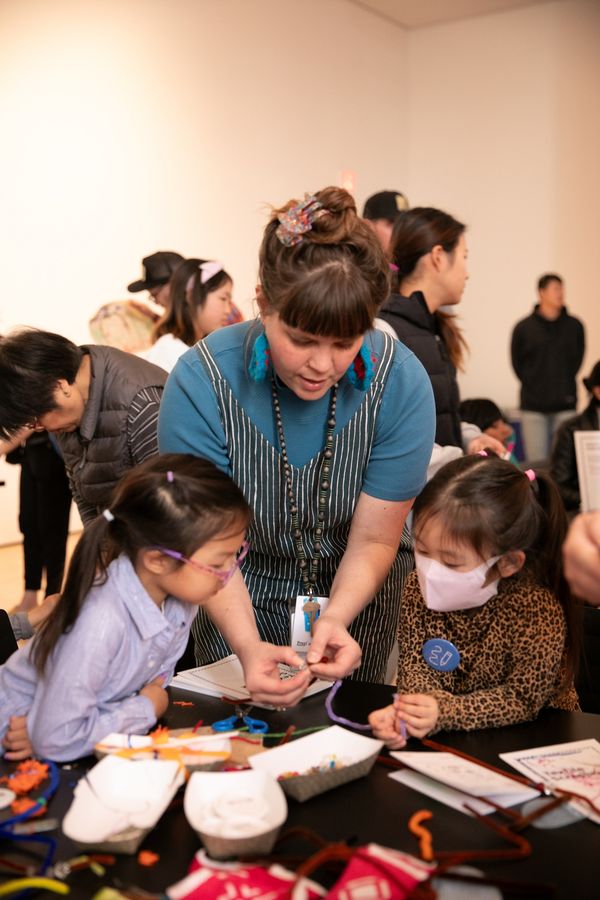
amy lange
My name is Amy Lange and I am an artist, curator, and educator based in the San Francisco Bay Area. I work in textiles and soft sculptures, exploring psychology as it relates to the inner child. I received a BFA in Fibers from the University of Oregon in 2009, and an MFA in Studio Art from California College of the Arts in 2017. I am a founding member of both Borderline Art Collective and SF Artist Gift Shop, and have worked in arts education in classrooms and museums since 2011.
Statement: My work utilizes the consciousness of childhood to explore ideas of freedom, pathology, and transformation. Using blanket forts and other soft sculpture, my work centers children--they are my primary audience, no matter where the work is shown. Through prioritizing the experience of children in arts spaces, I am able to delve deeply into my own consciousness and explore the full range of my human experience, especially as it relates to fear and anxiety.
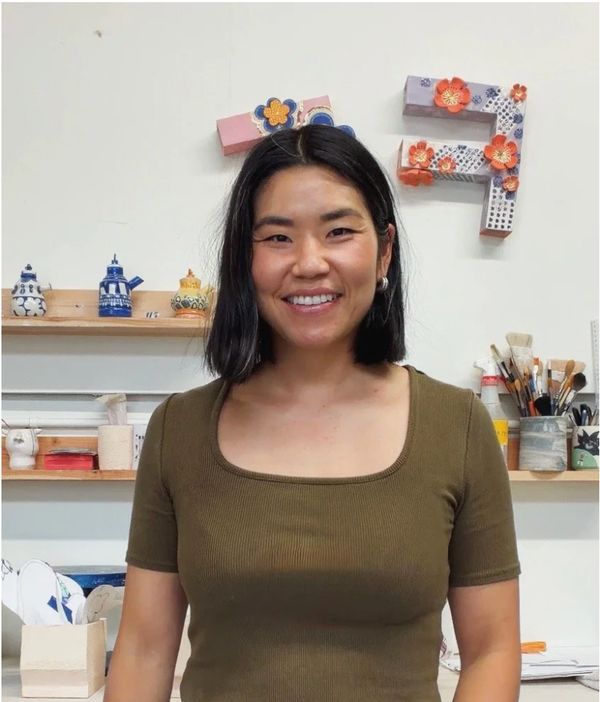
Anna Tung @anna_yuhkyung
Anna Yuh Kyung (b. 1989, Seoul, South Korea) is an Oakland-based ceramic artist whose vibrant sculptural work draws from flowers, weeds, and imagined plant forms. Her practice explores the quieter, often overlooked moments of living: the unfamiliar seasons, shifting identities, and subtle transitions that shape us over time. With over twenty years of clay experience, Anna invokes the slowness of the material to re-engage with a sense of presence that is lost in the day-to-day rush. Having lived between cultures, she reflects on how moving through different seasons of life that have shaped her interest in the emotional spaces that mark these transitions, but are often hard to describe. Anna received her BA with Honors in Ceramic Design from Central Saint Martins in London, England. She lives and works in Oakland, California, where she maintains her studio practice and co-owns Merritt Ceramics, a community ceramics studio supporting a growing community of artists and makers.
Statement: For me, the most interesting part of a flower isn't when it's in full bloom. I love that awkward stage where it's only halfway there. I'm much more interested in that moment of transition and process than when it arrives at its finished bloom. Flowers, weeds, and imagined plant forms have become the language of my work as something many of us already recognize. Their familiarity leaves room for personal interpretation, while bright color and playful forms invite us to linger just long enough for something quieter to emerge. My interest in these in-between stages has grown from years of moving between cultures, different seasons of life, and the many versions of myself that those experiences have revealed. Although the work begins from my own chapters of life, it is not meant to tell a single story. Rather than presenting the resolution of a destination, these pieces give pause and presence to the value of each step along the way. I hope they stay with viewers long after they've walked away, accompanying them through the moments that are still unfolding.
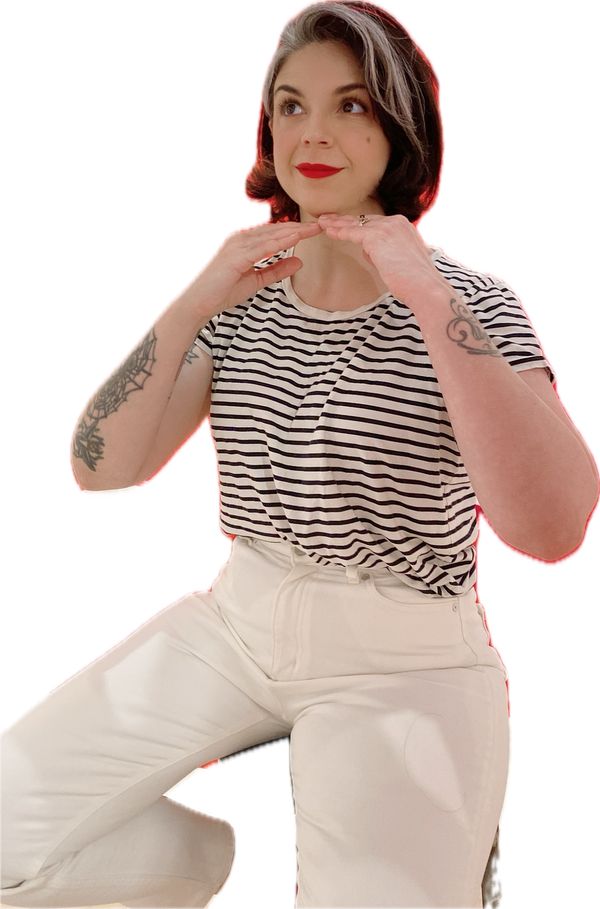
Ariel Oakley @arieloakleystudio
Ariel Oakley is an artist living and working in Los Angeles, California. She received her BFA from the San Francisco Art Institute, and her MFA in Studio Art at Maryland Institute College of Art. She spends her days as a nurse in surgery at Keck Hospital of USC, where her passion for open-heart surgery continues to inform her art.
Statement: Consider your lungs, the mechanism by with you share in the intermingled breath of the world, pulling air into your body so that oxygen can be diffused into your blood. The broad blue sky brought into your deepest recesses. Your blood blooms from a deep garnet to a bright vermillion at its touch. And it is in this breath, this shared breath, that my current body of work began. Surgically assisting in a routine organ procurement, I held the icy lungs of our braindead patient and wondered: What is death if parts of us go on living? I began painting bodies, using my surgical understanding of anatomy, looking for the edge of our being. My making lead me into a porosity of being, the overlapping of self and biome, the entanglement of matter and desire. My painting practice draws heavily from late medieval European icon painting traditions, paired with contemporary microscopy, medical scans and surgical illustrations. Layering an collaging chimeric beings of more than human entanglements. Mixing microbes and angels, my works struggle with the fundamental questions of what it means to be human, to be embodied, and to be conscious. My works envision an earthly Eden of the sensuous body. The living gestures of aliveness between the minute multitudes of sensuous bodies that make up each of our bodies. This work rejects a heavenly answer to our mortal toil, whispering instead: what if? What if? What if? What if the body is the soul?
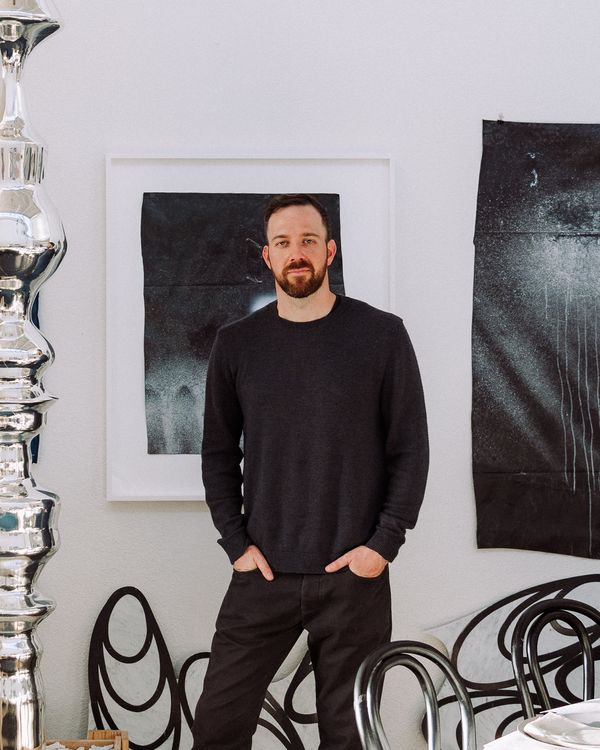
Brian Madden @brianbmadden
Brian Madden (b. 1989, Washington, DC) is an artist and designer living in San Francisco, CA. His work gives form to what is fleeting: sound, motion, and the residue of the creative process. Brian's practice spans from gestural works on paper to highly-considered sculptures and installations that live at the intersection of art and design. Bringing a relational approach to his creative process, he collaborates with clients, material experts, and fabricators to explore new techniques and bring ambitious concepts to life. Brian's work has been exhibited in San Francisco, New York City, Rochester, NY, and Portland, OR. Brian's work is held in private and corporate collections across the USA.
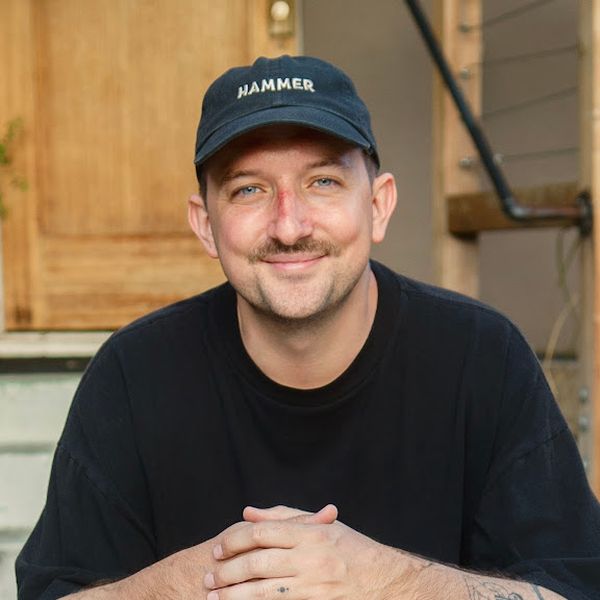
Caleb Wheeler @wheeler_cb
Caleb Wheeler is a Los Angeles-based mixed media installation artist crafting foraged materials and reclaimed objects into sculptural forms and compositions. Drawing inspiration from early-civilization aesthetics and primal memory, he explores the interplay between ancient and modern contexts, inviting viewers to consider the scope of humanity's past against the immediacy of our present.
Statement: My work is an examination of materiality in relation to ritual, systems of belief, and the vastness of time.
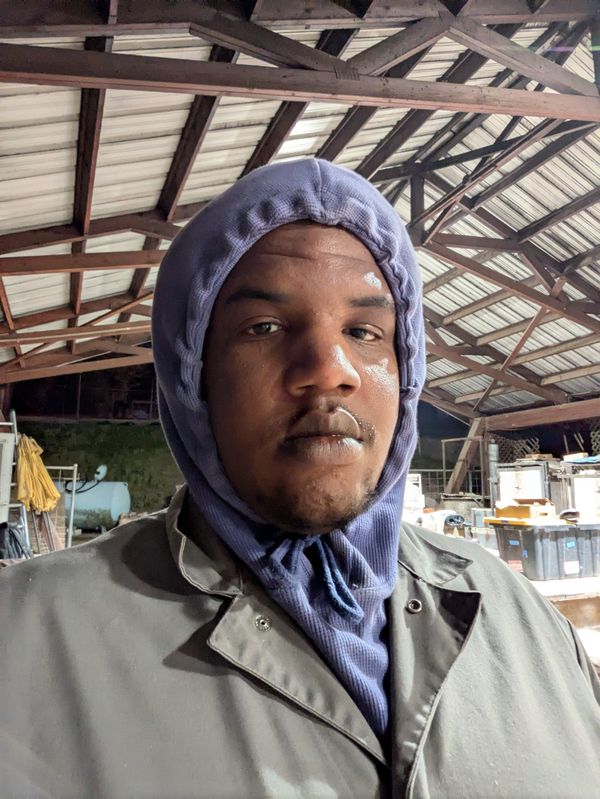
Cam Redd @redd_creations
I am a ceramic artist, and I throw on the wheel and use hand-building for sculptures. My style comes from growing up in cities like Oakland that showcased talented black artists of different mediums like music, food, fashion, and painting. I create my ideas in clay so I can use 3D visual aspects to show the beauty of nature and express my inner feelings about growing up in different parts of the Black community. I'm trying to create a style that uses different natural forms for common functional vessels, for example, turning flower blossoms into vessels like bowls and plates. Many of my forms are mimics of natural forms, textures, and color combinations. And scenes I encounter in my garden like the flowers in bloom or bees using flowers as shelter during the rain. My plans for the next 5 years are to start a small business, online and in-person sales, selling ceramics for the garden like flower pots, watering cans, and seed-holding trays. I would like to get started from what I learned in school, but would love the chance to talk and be in community with professional artists about ways to make my art business sustainable and community-oriented.
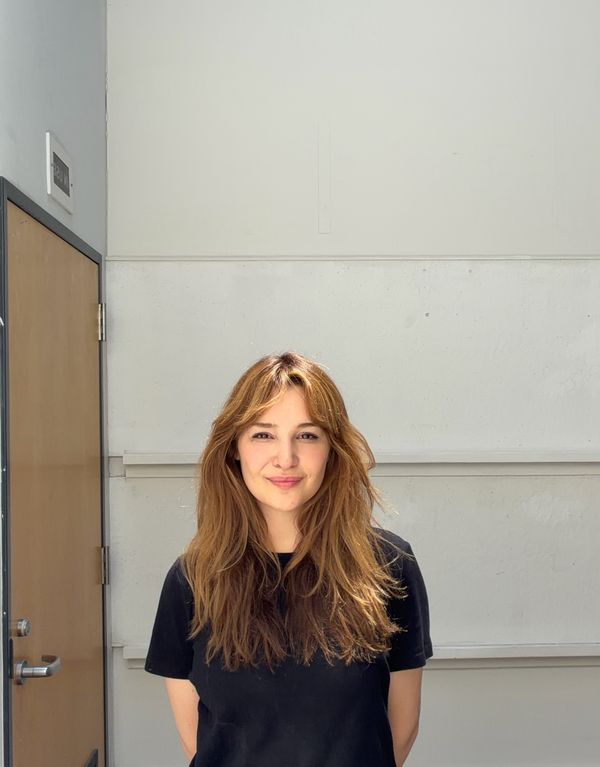
Camila Michaliszyn @plamenia
Camila Michaliszyn is a Brazilian multidisciplinary artist based in San Francisco working across sculpture, movement, and installation. Her practice examines the relationships between humans and nature, focusing on how human, animal, plant, and mineral bodies interact and resist fixed systems of classification. Her work operates between physics and spirit, using kinetic sculpture, mimicry, and transformation to create interactive installations that appear responsive and alive.
Statement: My work explores the complex relationship between humans, nature, and the material world. I am interested in how different forms of life and matter interact, transform, and resist rigid systems of classification. Through sculpture, movement, and installation, I investigate the boundaries between human, animal, plant, and mineral bodies, and the ways these bodies communicate, imitate, and adapt to one another. My research engages themes of nature, wonder, and connection through a body of primarily interactive, living installations inspired by my background growing up in Brazil, surrounded by the Atlantic Forest. My work emerges from lived experience, long walks spent observing, documenting, and collecting discarded ephemera, and bringing it back to life. Extracting an object from where it once belonged is always a complex act. It compels me to question my role as a human, as an immigrant, and as an artist. In the studio, these fragments perform in unfamiliar environments: some resist, refusing domestication; some collapse; others adapt with surprising grace. In these moments, I feel myself shifting between roles of power—colonizer, caretaker, witness, owner, interbeing.
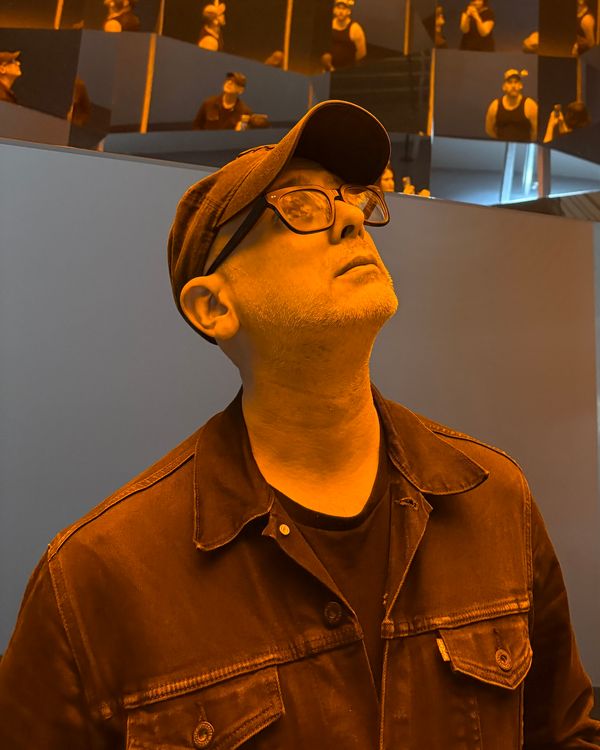
christopher cobillas-ottinger @fac3_4_rad10
christopher cobillas-ottinger (he/him) is an artist and educator currently residing in oakland, ca. he earned his mfa in visual arts from washington university in st. louis and his ba at columbia college chicago in film/video directing. cobillas-ottinger's artistic interests include moving image, sound, analog media, interactive media, media theory + history. his art has been exhibited internationally, at galleries + institutions such as the mildred lane kemper art museum, laumeier sculpture park, the museum london in ontario, canada, ucla's cnsi gallery in collaboration with patricia olynyk, acre projects in chicago, and the chicago artists coalition. he has taught moving image, digital art, and sound at such institutions as the school of the art institute of chicago, the kentucky college of art + design, and san josé state university. he is currently assistant professor of digital media art and program director of art + art history at saint mary's college of california. when he is not teaching or making art, christopher enjoys cooking, playing music, and rigorously maintaining his entirely monochromatic wardrobe.
Statement: The excavation of the past has been a persistent touchstone in my research and practice as an artist, particularly through the lens of Media Archaeology. I am drawn to obscure histories, idiosyncratic technologies, and the notion that things-in-themselves are often more complex than we presume them to be. I typically employ a variety of media forms, including moving image, photography, installation, sound, and interactive media, to establish a poetic dialogue between past and present. I frequently hybridize digital and analog processes and would describe my process of making as alchemical in nature (although, “failed scientist” would be equally appropriate). The subject of my work ranges from interrogations of the mediums of moving image and photography, the history of media technology and cinema, and explorations of perception with a sci-fi twist. Regardless of the specific subject, it is ever my goal to create work that raises questions concerning our shared relationship to media and technology. By examining our collective media past, it is possible that we might make some sense of our media present as we navigate its potential future.
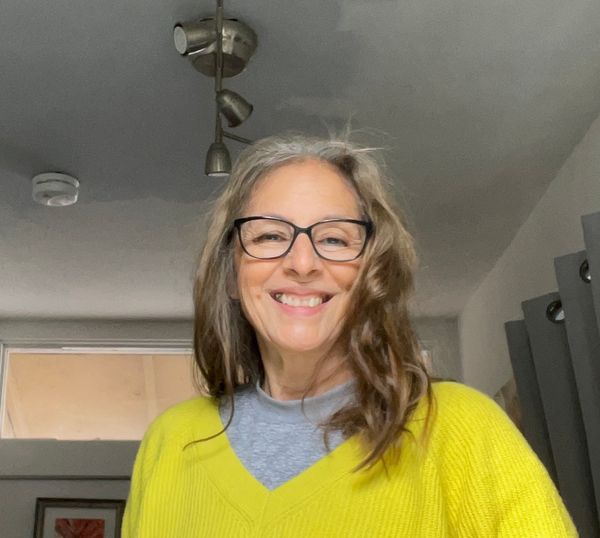
Elizabeth Medrano @elizmedrano
Elizabeth Medrano is a mixed-media sculptor currently living and maintaining a studio in San Francisco. After earning a BFA in Sculpture from the Philadelphia College of Art and taking additional coursework at Tyler School of Art, she took a trip to re-meet her father's family in Bogotá, Colombia, which has had a deep impact on her and her artwork. She earned her MFA from San Francisco State University (with a Distinguished Graduate Award in Sculpture), after which Medrano received several grants, including an Artist-in-Residence grant from the California Arts Council and a San Francisco Education Fund Grant for teaching in public schools in Richmond and San Francisco. During that time, she was also awarded a residency at the Edna St. Vincent Millay Colony, taught Sculpture and Art Education at SFSU, continued working in public schools, exhibiting her sculpture and paintings throughout the Bay Area, and being a mom.
Statement: I create bold sculptures that blend organic shapes with sharp textures and vibrant colors. Built and bisque-fired with high fire clay and painted in acrylic, each piece takes its underlying form from roots and tubers — swollen, sort of subterranean bodies set on thin legs, crowned or armed with spikes, horns, and curling growths that read as thorns, sprouts, or eyes pushing outward. The work draws loosely on heirloom yams and sweet potatoes grown in Colombia, prized for the way their color and shape vary from the same rootstock depending on soil, season, the hands that tend them, and their ancient medicinal uses. My work explores contrasts between protection and vulnerability — armor that also looks soft, ornament that could be defense, a body that reads as both rock-hard and newly emerged. Displayed together, the sculptures behave less like a series than a harvest or a cluster newly surfaced from the same ground, inviting curiosity and reflection to enliven any space with dynamic, intriguing forms.
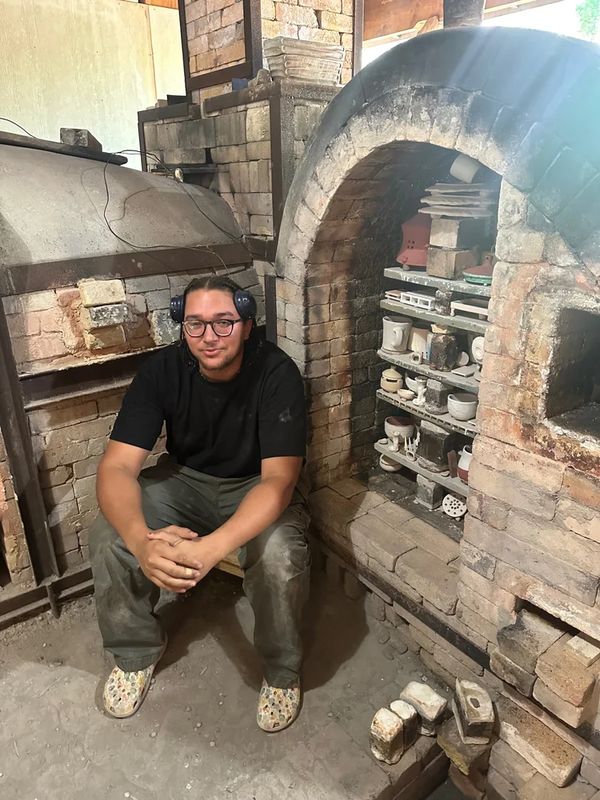
Ethan Wright @__epw__
Ethan Wright is a bay area artist based in San Francisco. Born and raised in California's Central Valley Ethan graduated from California State University Sacramento in 2024 with his BFA in studio art and is currently an MFA candidate at San Francisco State University. Ethan has shown locally and nationally at galleries and institutions such as Glassell Gallery, Casemore Gallery, Randall Museum, Horton Gallery, John Natsoulas Gallery. In Ethan's newest body of work he is exploring/researching histories of global colonialism and their traces to today. He is responding to his findings by creating ceramic sculpture in conjunction with found object arrangements to create installation works. These installations operate in various ways as commentary, sanctuary, and critique.
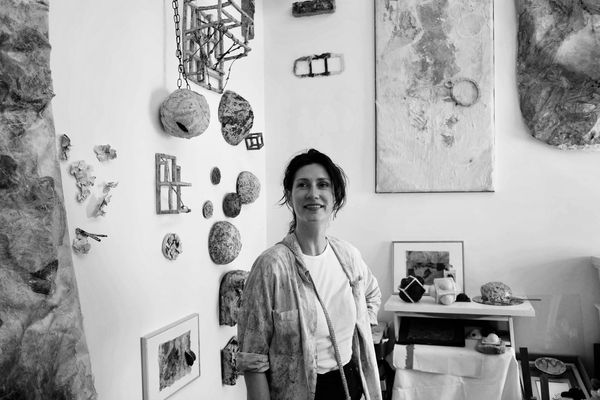
Evgeniya Korotchenko @koro.rocks
Evgeniya Korotchenko (b. 1985) is a mixed media and ceramic artist whose practice grew out of a decade in research psychology, studying visual semantics and women's confidence. Born in the Soviet Far East, raised in Ukraine, educated in Russia, and based in Mexico for several years before settling in San Francisco in 2025, she carries that displacement into the studio. Working with clay, paper, and natural fibers, Korotchenko treats material behavior — clay that shrinks as it dries, paper that buckles when wet, fibers that refuse to align — as a register for how physical and emotional structures respond to force, and what new forms become possible past the point of break. Using contradiction between soft pastel colors and the harshness of these themes, her work returns persistently to displacement, structural collapse, and reconstruction, finding meaning in what is left absent or broken and treating fragility and resilience as inseparable qualities of the same material. She has exhibited in Mexico and the United States and received awards; her work is held in private collections in both countries
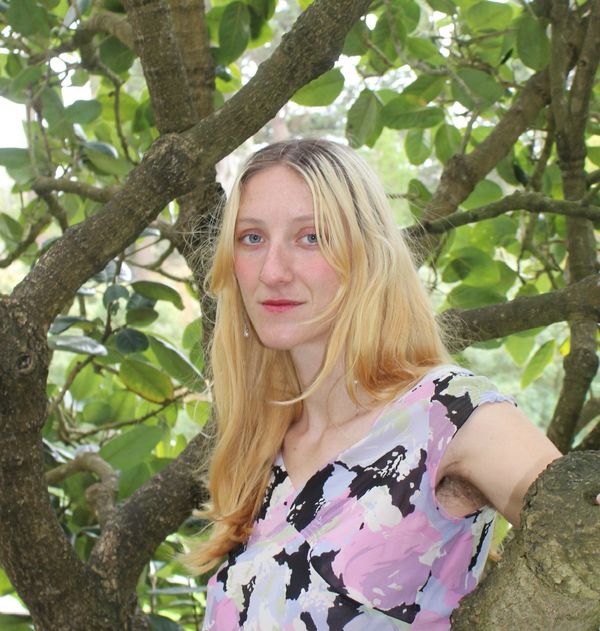
Evie Hidysmith @w.h.a.t.e.v.i.e
Born and raised in San Francisco, Evie Hidysmith works across media, including textiles, ceramics, and sound. Inspired by the strength and fragility of natural forms, her art reflects on human individualism and collectively shared power. She was musician and artist in residency at The Grove SF and Alchemy Art Center, completed her MFA at SF State in 2026, and is a Graduate Fellow at the Headlands Center for the Arts.
Statement: My work investigates the ecosystems of community - how we are connected to one another, and how these connections inevitably change over time. I’m fascinated by the way natural forms—like lichen and bark beetle paths—create intricate, hidden systems, constructed by many organisms in unison. How has capitalism disrupted our communal symbiosis? How can we re-learn flexible ways of relating to one another, with capacity for change and inevitable rupture? I construct my work with found and recycled materials, often with personal significance. Weaving tapestries with old climbing rope, my dad’s thread, knit textile samples discarded at the dump, or recycled clay — these objects become kin. How can we collaborate and co-create with materials as kin, and with lost loved ones through material? My materials often come from people whose presence I grieve — a great-grandmother who died before I was born, a neighbor who was evicted and had to move away, my dad who I’ve only seen twice in the last ten years. Relating to these objects as kin allows me to collaborate with these lost loved ones, defying linear time. This same kinship relationship extends to collecting and composing with found sounds. Working and collaborating across media allows me to build different types of connections with people and places through a vast array of carefully chosen found objects, sounds, and instruments. My work asks us to pull ourselves closer to one another with honesty and curiosity.
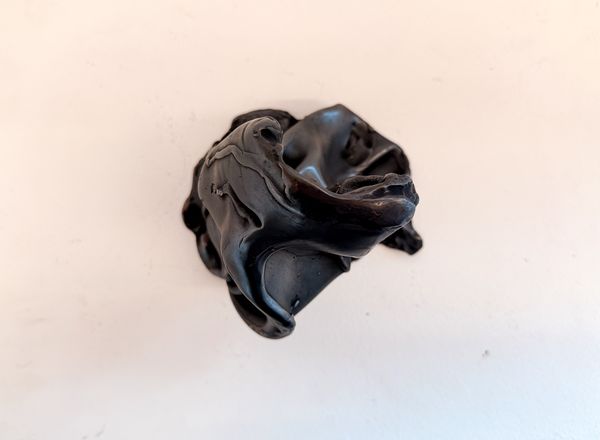
Jacqueline Garrity @jacqueline.garrity
Jacqueline Garrity is a metalsmith and sculpture artist born in El Paso, Texas and grew up moving throughout the United States. She uses metal and ceramic to expand upon her experience with trauma through materials that capture both vulnerability and strength. Her work draws from the lived experience of being a woman, layered with a focus on the confrontation of her raw trauma, struggle with identity, feminine rage, and seemingly fragile existence within this world. Jacqueline received a BFA from Savannah College of Art and Design and is currently studying and working in San Francisco, California.
Statement: Jacqueline’s work is made as a way of healing and in the same breath she knows the lived experience of being a woman, layered with trauma, mental illness, abuse, and body issues is not unique. With an emphasis on metal and ceramic her materiality is intentional within her practice both in process and fully realized forms. Her metal work requires wax carving which rests somewhere between soft and requiring an edge, while her ceramic work in raw form can be equally as malleable. Metal and Ceramic in final form are rigid and unforgiving relating to the lived experience and in the process they are malleable, connecting to the gentle hand that works towards healing. The making is where Jacqueline begins to have an intuitive relationship with her work. While creating her work is a journey it allows her the reprieve to sculpt out the forms that shape the emotions and experience of her existence. When reaching her final forms, she is often pulled back into that hard unforgiving rigidity that while coming close never quite replicates her experiences in this world. In her work Jacqueline connects with other survivors and helps them see themselves in relation to her work in a way that allows them to feel seen without causing more pain. Much of her work involves painful examination of self, a part of the process that while unforgiving, is integral to the work. Leading her to find peace within the labor. In 2015 Jacqueline graduated from SCAD with a BFA in Jewelry Design and Metal Arts, with her first exhibition at The Smithsonian Craft Show in Washington, DC. From 2015-2019 Jacqueline worked as one of three Jewelry Designers for the Runway and Retail Collections at Coach in New York City, under the direction of Creative Director Stuart Vevers. In 2020 Jacqueline launched her own jewelry company, and spent the next few years growing her business through various trade shows, and collaborations with stylists in Los Angeles, CA. Jacqueline lives and works in San Francisco, CA and is currently an MFA Candidate at California College of the Arts.
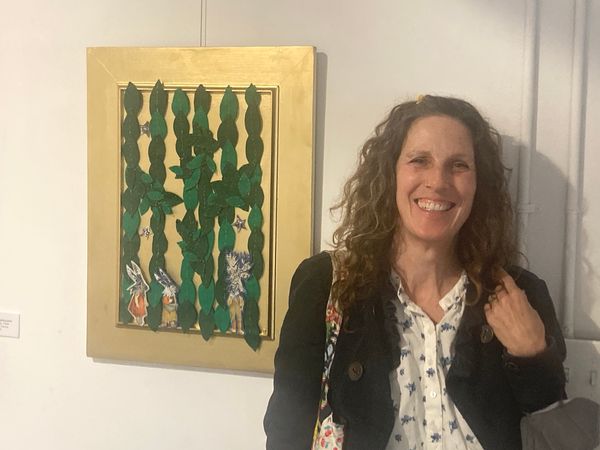
jamie weinstein @listeningwithmyeyes
I am by nature someone who cares, and carries people. I feel deeply and think hard. As a doctor, mother, community advocate, I am called to love people’s deepest contradictions and accompany them through their most joyous and difficult transitions. Love may be the best medicine, but some days it gets pretty heavy. Making art has always been how I digest and process what I have taken on. My practice began when my kids were little, finding time to build collages from the flotsam and jetsam of everyday life. I grew up surrounded by vintage quilts and always wanted to work with textiles, so over time as my life became a bit more spacious, I found my way to stitching layers of feelings and stories into fabric. The first response to my work is often "it's cute.” Mismatched textiles, childlike techniques, and dollar-store ephemera invite you in, and I want that. But like the people we are and the work that I do, nothing is as straight forward as it seems. Sometimes good people do bad things, sometimes bad things happen to good people. Art can be crafty, embellished and utilitarian, abundant and purposeful, cute and creepy and compelling. For me, creating is less about perfecting technique than entering into a relationship with salvaged and repurposed materials, sitting with the inevitability of unwanted things. The process quiets my mind and often starts one place and brings me somewhere unexpected. At home with my materials, I am less writer than listener, less maker than collaborator.
Statement: Three Chairs is an exploration of imagined childhoods: wild, free, feral, and decorated, where time stretches and wraps itself around itself and you wear a costume everyday so that the mundane becomes magical. A sort of childhood that might heal us, even if it never actually existed. My creatures were born in 2024 out of a package of extra-large packing peanuts. Something in their simple cylinder form demanded my attention. I began wrapping them in fabric scraps, mixing colors and textures, stitching them together in ways that were haphazard yet purposeful. Insides were hidden; forms stayed on display. Patches were held with suture-like stitches and embellished with beads and baubles. In their abundance and variation, these shapes began to have spirit and energy. One day I pulled out a dusty three-foot foam roller and started to patch and stitch it into a larger companion. I realized that it needed legs and I wanted them to be a child size chair. What followed was several months of immersion: quilting tubes and plastic chars, embellishing, patching, stitching. Repeat. Three distinct companions emerged, each unabashedly herself. The first and largest, is dreamy and botanical. She feels silly and safe and when I hung her beads and placed the last flower I realized I had created an imaginary friend. The second, birthed from tacky 1980s floral cactus fabric, is the queen of the desert. Her birds appeared as if on cue at my reuse store and perch on wooden knitting needles - she is crafty and a little trashy and would stand up to a bully on the play ground. The third didn't entirely cooperate: her parts aren't connected, and she is very pink. She is like the barbie dream house I kind of wanted and would never buy for my own children. She belongs to this community even though she doesn't quite fit because that is how we roll. Together they form a folkloric gathering with stories to share: wild, whimsical, unique, made in relationship with the materials that chose them. They are an imagined childhood I may have experienced and certainly wanted for my children: feral and decorated, communal and unfailingly individual. They don't do anything. They certainly became something that reminds me that imagined childhoods might heal real ones, and that wonder is not something we lose, it is something we create.
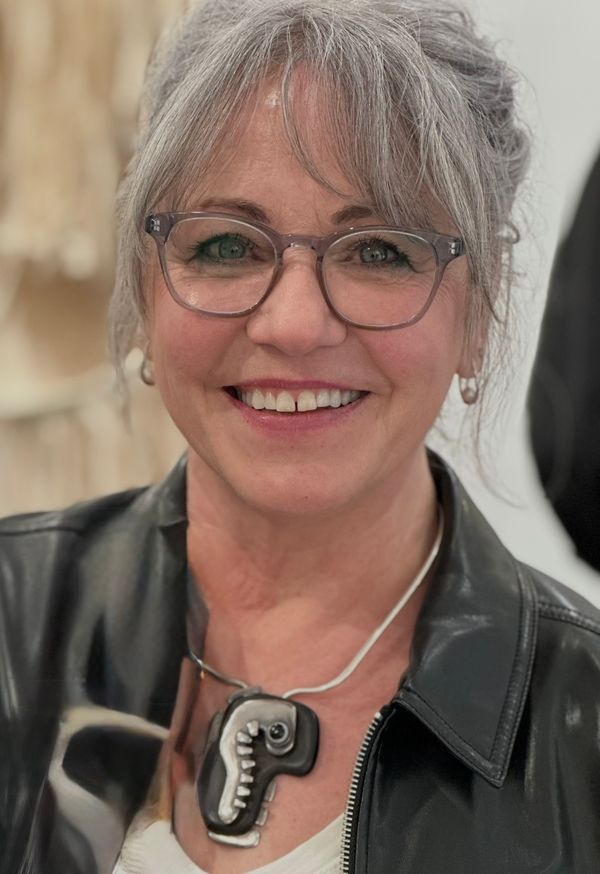
Jan Blythe @dumbrecksix
Born in Scotland, Jan was raised in Glasgow, a city with a strong arts and culture heritage. A painter early on she decided to train as a textile designer and received her BA in England before moving to California. After building a successful business as a surface designer Jan decided to return to her first love, fine art. She earned her MFA from the prestigious San Francisco Art Institute. Her work in solo and group shows has been exhibited in Scotland, England, Cyprus, Chicago, Missouri, New York, New Jersey and throughout California.
Statement: My practice explores memory, belonging, and the ways personal and collective histories become embedded within everyday materials. Working primarily in sculpture and installation, I transform found domestic objects, textiles, natural materials, and wax into works that examine identity through inheritance, migration, ritual, and loss. I am drawn to materials that carry traces of previous lives. Through processes of collecting, stacking, stitching, casting, and repair, familiar objects are transformed into sculptural forms that speak to both absence and presence. Recurring motifs of the house, the vessel, and the fragment become metaphors for home, the body, and the fragile nature of memory. Rather than offering fixed narratives, my work invites reflection on how we carry the past with us, asking how ordinary materials can become repositories for memory, resilience, and belonging.
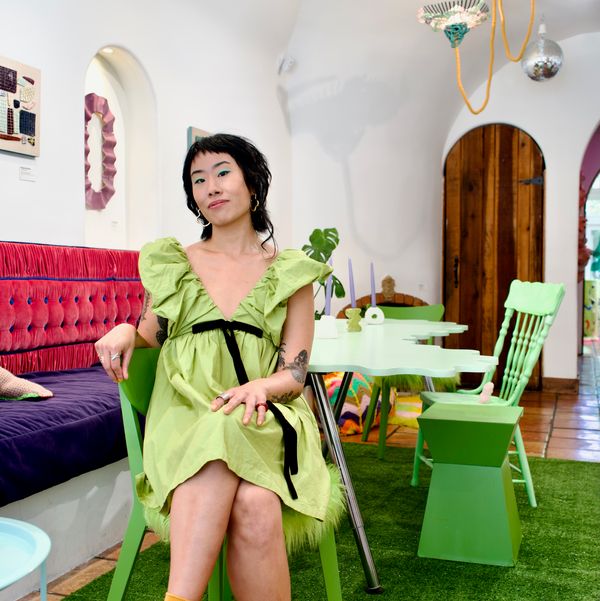
Joanne Wang @joanneisthewang
Joanne Wang is an artist, fabricator, and educator based in Oakland, California. Utilizing embroidery, secondhand textiles, and found objects, her process-based practice explores themes of consumption and identity. Joanne received her BA in Art and Biology from the University of California, Santa Cruz. Her professional background includes creating art installations and activations for businesses and events, with an emphasis on material awareness and sustainability. In parallel, she works with local reuse nonprofits and teaches textile-based workshops throughout the San Francisco Bay Area. Material reuse and sustainability form a throughline across her art practice and community-centered work.
Statement: I use embroidery, found objects, and secondhand textiles to create soft sculptures and installations that explore the invisible themes of labor, time, waste, and gender that are embedded within the fabric of our capitalist society. My process-based practice involves experimentation, play, and manipulation of materials until fully transformed. Through processes involving repetition and multiplication, I create visually stimulating textures, biomorphic forms, and playful color stories that nod to the absurdity of humanity while highlighting patterns, feelings, and moments we collectively experience.
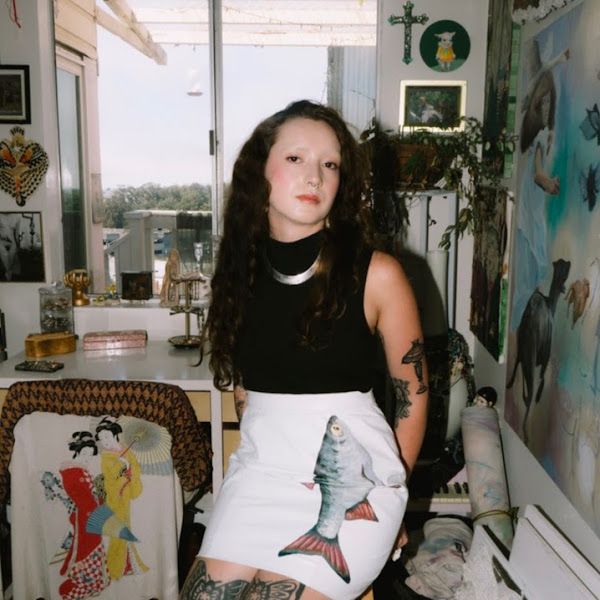
Juliane Roberts-Hansen @777jules
Juliane Roberts-Hansen | 777jules™ is a San Francisco based upcycling artist who creates mixed media figure paintings and scultptures. Her work is psychological, stoic, inspired from female sensuality and humans connection to nature. Each piece acts as a container for emotions and lived experiences. With an eco-conscious ethos-- she salvages discarded objects from the street or consults second-hand stores, using those materials as unexpected canvases and artistic elements in her work.
Statement: The Forgotten Garden is a continuous visual diary and sculpture series that explores morality and sensuality, each sculpture acts as an entry exploring a different topic. Moving away from my 2D paintings, for this series I explore the creative freedom that comes with using trashed and second hand items as materials. The idea for this series was sparked when I found 10lbs worth of fake flowers dumped in a parking lot, right next to a commercial grade dumpster- I wanted to reinvent these beautiful yet trashed items I find on the street, forever immortalizing them through these assemblage sculptures. Each piece is a product of incidental run-ins with trash or objects which spark my creativity and each requires different assemblage methods relying on wire, resin, soldering and spray foam. This series invites viewers to see creative potential in trash and the beauty that can come from using what is already at our disposal. Each piece is transformed from a once-functional object—whether a lampshade, vase, trash can, or sauce ramekin—into a non-functional work that invites a new way of engaging. No longer defined by utility, these reclaimed forms become vessels for both somatic and cerebral experience. They encourage viewers to move beyond their original purpose and into a space of visual pleasure, embodied perception, and thoughtful reflection.
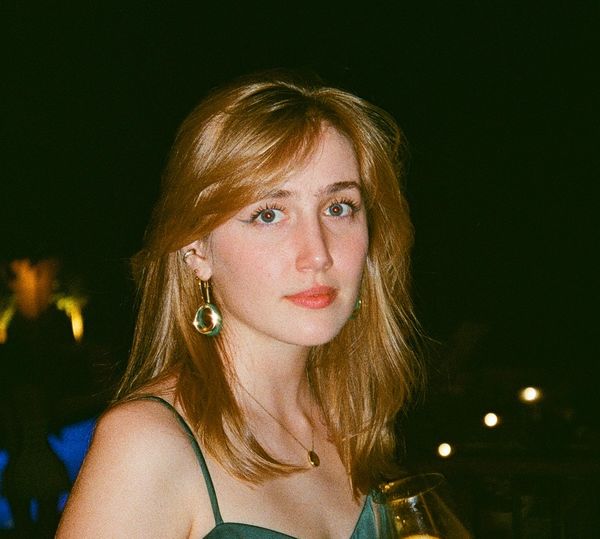
Katie Pivovar @clay_chaos_kp
Russian/Canadian aspiring creative, exploring different forms and mediums.
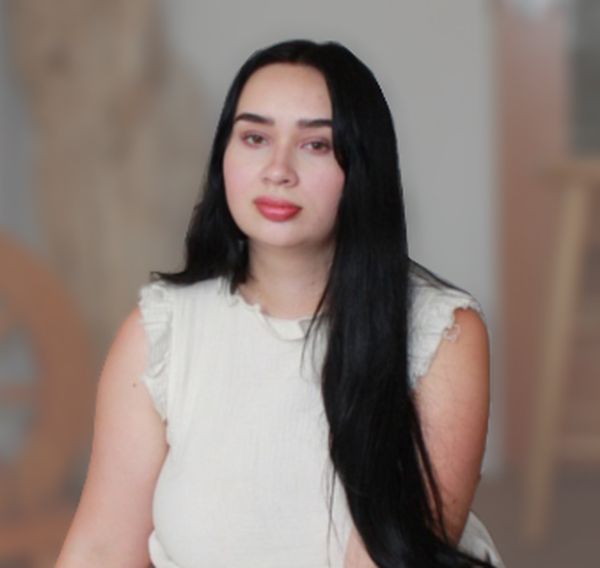
Katie Revilla @katierevilla
Katie Revilla is an anti-disciplinary artist that considers the hybridization of nature and material to convey narratives centered around the Filipino diaspora and post colony. She has exhibited her work throughout the U.S. and the Philippines and has been awarded support for her research from UC Berkeley, the Headlands Center for the Arts, and Northwestern University. Her work has been shown throughout the U.S., and included in exhibitions at Southern Exposure, SF; Root Division, SF; Berkeley Art Museum and Pacific Film Archive, Berkeley; New Wight Gallery, LA; Knockdown Center, NY; Printed Matter, NY; Block Museum of Art, Chicago; among others. She has been published in Vogue Magazine, KQED Arts, Inga Books, and Platform Editions. Her work is in the collection of the City of Oakland and the Block Museum of Art. In 2017, she received a BFA in Art Practice and the Lauren Krikorian Award from the University of California, Berkeley. In 2018, Revilla was an affiliate artist at the Headlands Center for the Arts, a recipient of the Virginia Museum of Fine Arts Fellowship in 2020-2021. She graduated from Northwestern University in 2023 with an MFA in Art, Theory, and Practice and was awarded the Paschke Grant. Currently, she has work on view at the Hyde Park Art Center for the Ground Floor Biennial and a solo presentation at /(Slash) Gallery in Minnesota Street Projects, San Francisco. She is a member of the collective, Real Time and Space in Oakland, CA.
Statement: Through former ownership, magical realism, and proximity to specific events, I stage detailed assemblages to create an experience that is not historically factual, but rather a fragmented journey through systems of belief, value, and reconciliation. Using modes of collaboration, often with resonant sound, plant species, and spirits, I consider their relationships to collective history and private memory. Materials are often presented untouched, allowing the internal contradictions to quietly unravel through recontextualization, while others are transformed to compress time and movement. These components are meant to articulate the multiplicity of what it means to try to embody an intangible heritage through examining the lens of national identity. The framework of my practice is largely driven by examining personal relationships to land, labor, and belonging through generational inheritance to explore larger systemic constructs through which cultural aphasia takes form. These ideas are conveyed through the lens of my own family’s lineage of whiteness, racial passing, and migration from the Philippines. I facilitate performances to translate metaphors of value and resiliency within hybridity, largely driven by how that can shift and amplify boundaries of objectification. From collecting objects that were discarded at the Asian Art Museum in San Francisco to the reinterpretation of Filipino Martial Arts as a form of ritual, protection, and conjuring. I find connecting points in my work through the value that artifacts, locations, and landscapes are attributed in relation to their possession. All together, my work takes form through a composite of imaginaries and remembrances that present the ways in which we speculate and even fabricate our own desire to authenticate ourselves.
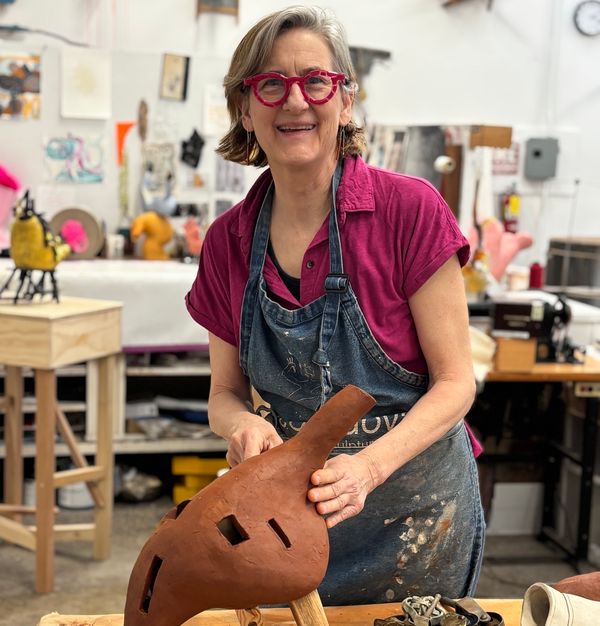
Laura Van Duren @laura_van_duren
Laura Van Duren is an interdisciplinary artist based in Oakland, California, recognized for her innovative approach to ceramics, and mixed-media sculpture. Her practice often merges drawing, ceramics, glycerin soap, and recycled materials, reflecting a commitment to experimentation and abstraction. She works with the Peter Voulkos family helping to manage the archival aspect of his collection which has had a profound influence on her creative process. Van Duren’s work has been exhibited at major institutions across the San Francisco Bay Area, including the Crocker Museum (as part of the feminist exhibition Making Moves), Santa Cruz Museum of Art & History, Sonoma Museum of Art, Southern Exposure, Marin Museum of Contemporary Art, Paul Thiebaud Gallery and Berkeley Art Center. She is dedicated to arts education, teaching ceramics and sculpture as an adjunct professor at several community colleges. Her achievements in the field include residencies, such as the Open Studio residency at Haystack in Maine (2023), Dream Farm Commons in Oakland (2025) and Okuyama House Japan (2026). Notably, her work has been acquired by The Crocker Art Museum. Van Duren holds a BFA in drawing from Carnegie Mellon University and she completed her MFA in sculpture at San Francisco State University in 2017.
Statement: How do our bodies influence our minds? How does our corporeal wisdom shape our perception of the world? These questions are at the heart of my practice. Through the tactile processes of coiling, casting, and reassembling, I mirror the adaptive, playful negotiation between body and thought—inviting intuition to guide the emergence of each work and allowing the irrational to transcend the rational. My inquiry is grounded in the science of interoception: the subtle awareness of inner bodily sensations. I am fascinated by how our internal physical states ripple outward, coloring emotional landscapes and filtering our encounters with the world. I transform clay, glycerin, and found objects into an evolving vocabulary—each material a metaphor for tissue and cell, pulse and synapse, the layered interdependence of the body’s systems. Like the architecture of our own flesh, these forms rest in delicate tension, always contingent on one another for meaning and stability.
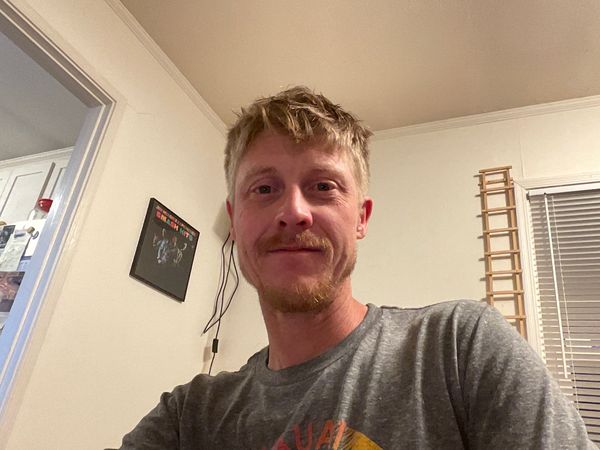
Luke Heimbigner @pillararts
Luke Heimbigner makes sculptures of metal, concrete, found objects and other materials. The constructions are cast or fabricated using the forms of forgotten and discarded items to create something unseen. He was born in 1982 in Bozeman Montana. His grandfather may have hoped to make Luke an engineer by bringing Luke old lawnmower engines to take apart and rebuild; instead, it was Luke’s artistic imagination that was sparked by the functional beauty of those machines. In 2006 he graduated from The University of Montana with a BFA. Shortly after he moved to Oakland California and began a career in the foundry world as a metal chaser at Artworks foundry in Berkeley. Luke was a captain on the foundry pouring crew and helped with mold making as well. At Artworks he met Steven De Staebler and worked closely with him creating some of his last bronze sculptures. In 2015 he left the foundry to pursue his personal work. In 2019 he became the metal/fabricator at Scientific Art Studio in Richmond creating engaging artistic creations. After they closed in 2024 Luke pursued independent work, then again joined Artworks Foundry as well as doing fabrication work for Workshop 29 in Alameda.
Statement: Collecting has always been a part of my life. This began with toys, baseball cards and music and evolved into the materials for my sculptures. The idea of reusing or repurposing an object that is overlooked or discarded interests me. The feeling of discovering something unseen ignites my creative process and propels my artwork. Therefore I scavenge, always on the lookout for materials, objects, or parts. Loosely based in architecture and the natural world, I try to mimic what I see, constructing invented objects and structures using the collection of materials found or fabricated.
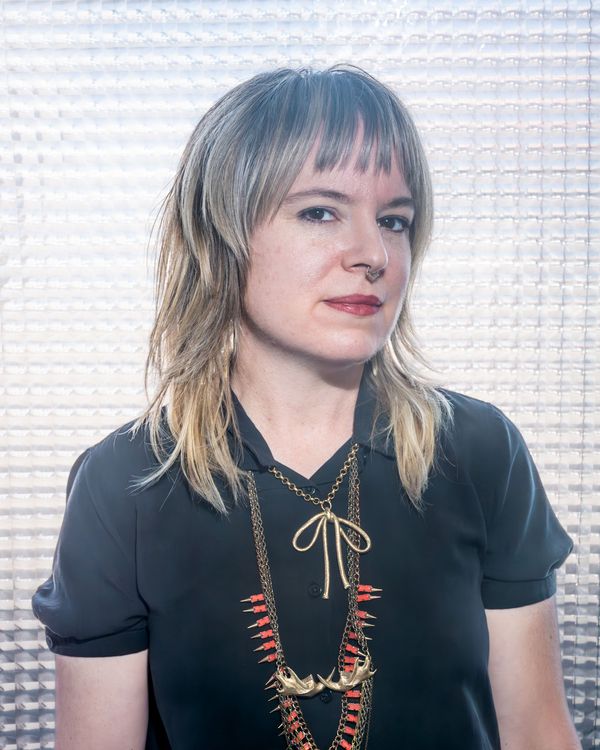
Megan March @meganmarchstudio
Megan March is a Bay Area based interdisciplinary artist working in ceramic sculpture, sound, performance, and 2D media. Her practice explores questions and narratives around the activation of empty spaces, identity within the body, motherhood, resilience, and the parallel lines between the body and land. March received her BFA in Music, Studio Art, and English from Mills College, and recently received her MFA from California College of the Arts. She has released albums and toured much of Europe and North America with her musical projects, pushing the boundaries of performance, form, and genre. Thriving on the physicality of sculpting and percussion, on any given day you can find March in her studio using her hands to form clay or sound.
Statement: A near-death experience during childbirth at an understaffed hospital fuels my focus on the connective tissue of fragility and resilience between human bodies and the body of the land. I sculpt these forms in clay—an ideal, volatile, and imperfect medium—to explore the visceral feelings and landscape of the body and geographical narratives of violence and healing. While my vessels provoke questions on the presence of emptiness and potential, my clay impressions are artifacts of a hidden reality - allowing us to see and feel what the air touches on the surface of our environments.
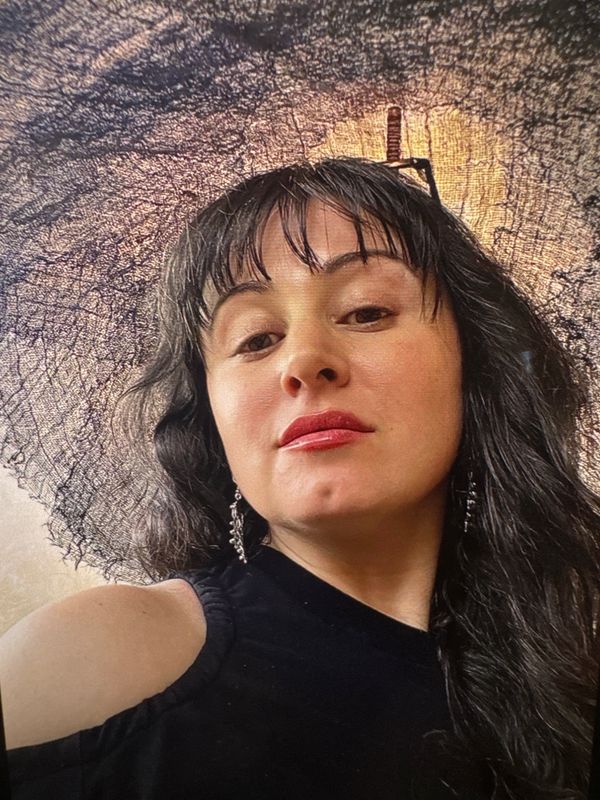
Phoebe Deutsch @phoebedeutsch
Phoebe Deutsch holds a BFA in Fine Arts from the Rochester Institute of Technology and has also studied at California College of the Arts. Her work has been exhibited at institutions and galleries including the Marin Museum of Contemporary Art, Dyer Arts Center and Mehu Gallery, Massachusetts Audubon Society, The Bedford Gallery, Palo Alto Art Center, Transmission Gallery and The Drawing Room. Her work has also been featured in print publications, including Carrier Pigeon Magazine, Issue 15, which was presented at the PS1 MoMA Store and Art Basel Miami, and Hands in Clay by John Toki. Deutsch has been awarded artist residency fellowships at the Watershed Center for the Ceramic Arts in Maine, Northcote Pottery in Melbourne, Australia, Guttenberg Arts in New Jersey, and Elf School for the Arts in North Carolina.
Statement: Phoebe Deutsch is a visual artist working across sculpture, painting, and installation, whose practice investigates the porous boundaries between human experience and the natural world. Her work considers nature not as a distant or passive subject, but as an intimate, generative system, one in which human beings are both participants and reflections. Within this framework, the natural world becomes an exquisitely sensitive mirror, revealing the interior landscapes of the self, instinct, vulnerability, transformation, and wildness. Deutsch describes her approach as “alluring speculation,” a mode of inquiry that dwells in states of transition and uncertainty. Her work is drawn to the mutable spaces between forms, to processes of growth, adaptation, dissolution, and emergence. Adaptation becomes a central connective force, linking human consciousness to the larger ecological systems in which it is embedded. Through materially rich and often enigmatic forms, Deutsch considers the intricate networks that sustain life and the ways in which those networks remain only partially understood. Her practice occupies this space between observation and conjecture, using sculpture, painting, and installation to imagine what might be revealed when we attend more closely to the intelligence, resilience, and interconnectedness of the living world.
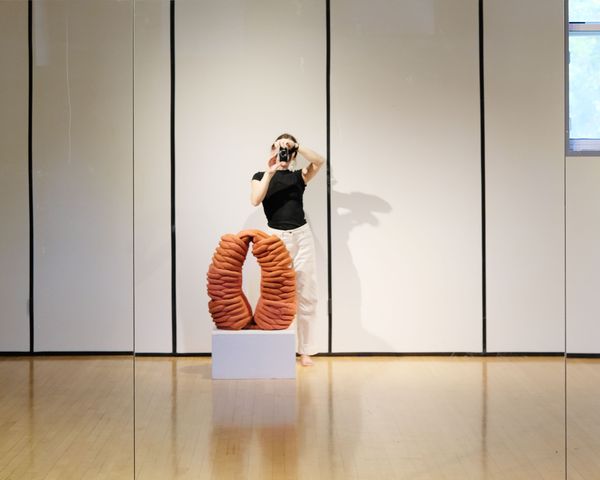
Pénélope Lenaerts @penelopelenaerts
After earning her MFA in 2021 and spending time on her practice in the San Francisco Bay, Pénélope Lenaerts moved to Occidental, CA, where she presently lives and works. She enjoys blending visual themes from the Northern California redwood forest, and traditional women’s crafting in her work, often following simple narratives of the pleasure of being softly entangled with a lover.
Statement: Pénélope Lenaerts is a multi-media artist focusing on soft sculpture and its intersections. She combines organic playful forms with small details such as interwoven fingers, folded layers and beading to reference a body in space. With a background in painting and apparel construction, she blends visual language with sewing to create narratives about the human experience- familiar and inviting forms from a mysterious dreamscape. Her smaller beaded works reference an esoteric religion and ritual that neither exists in our world nor is foreign to us. The art of impermanent craft and surface decoration, such as sewing, beading, and embroidery, is an unapologetically collective female space that is crucial to her voice. In her practice, she repeats forms, themes, and symbols to craft her own visual language with which she tells stories about memories and the pleasure of touch. Pénélope draws inspiration from artists including Louise Bourgeois and Hilma af Klimt, as well as poetry and classical English literature.
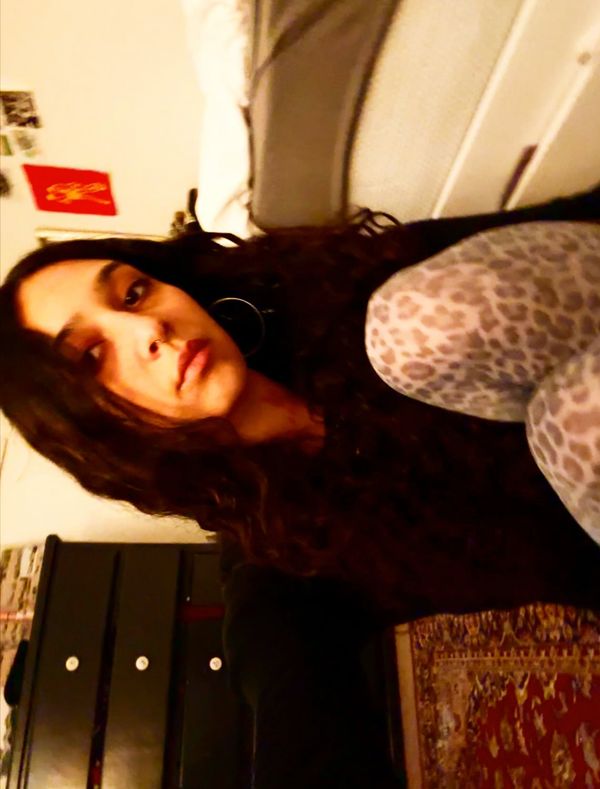
Saiya Williams @practicalpurpose77
Saiya Williams is a multimedia sculpture artist born in Los Angeles, currently based in San Francisco. She is pursuing her BFA at California College of the Arts and will graduate in fall 2026. In her work she explores the boundaries between the ordinary, the traumatic, and the spiritual, engaging psychological and embodied states of expansion. Saiya primarily works in metal, using blacksmithing, TIG, MIG, and oxyacetylene welding to bring her sculptures to life. Her practice extends to wood, wax, nylon, resin, and latex, adapting materials intuitively to the needs of each project. In addition to sculpture, she incorporates digital and film photography, 16mm film, sound, and graphic design to create multimedia installations.
Statement: Saiya is a multidisciplinary sculpture artist based in San Francisco. She works intuitively across a broad range of materials such as metal work, textiles, wax, digital media, and anything else a piece calls for. Her practice acts as a portal, a place where she can transmute a given emotion into something new.This becomes living prayer that offers renewal. She explores the boundaries between the ordinary, the traumatic, the spiritual, psychological and embodied expansion that a piece can create. She is drawn to liminality: the state of being neither here nor there, the transitional space between modes of existence, finding expansion in the “in-between”.
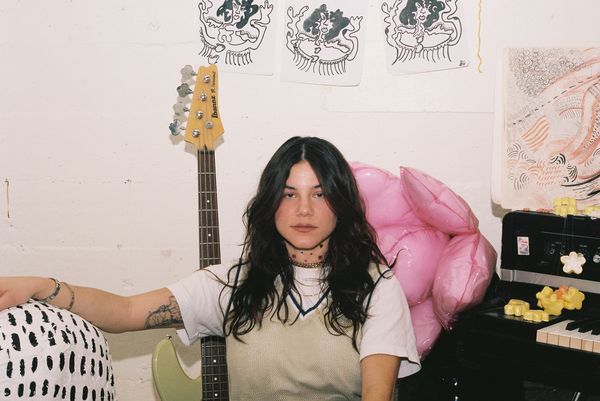
Sammy Gripe @sammyydeer
Sammy Gripe is a San Francisco based multidisciplinary artist whose practice moves fluidly between soft sculpture, ceramics, and botanical assemblage. Drawing upon the emotional architecture of interpersonal relationships, Gripe creates intimate works that investigate vulnerability, attachment, memory, and the universal search for comfort and belonging. Her sculptures occupy a space between the familiar and preternatural, exploring the subtle ways objects can function as companions, witnesses, and extensions of self. Gripe has studied at University of Oregon, Beaux Arts de Paris, and San Francisco Art Institute where she received a Bachelor of Fine Arts in Sculpture in 2020.
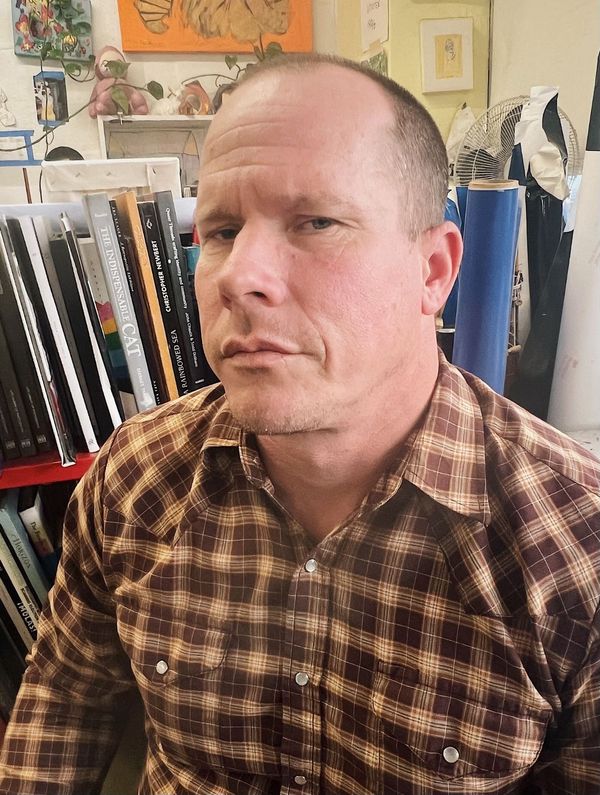
Steen Kjorlie
( Steen Kjorlie b 1978- Topeka Ks.) is a self taught American artist based in Vallejo Ca.
Statement: I foster a "laugh to keep from crying" sensibility, and this reflects off the sculpture I create. The "joke" is my works primary foundation of development. Color and form follow. From harsh satire to surreal dreamscapes, people in vulnerable states struggling with identity interests me. There is a shred of truth in every joke. Cope however you can.
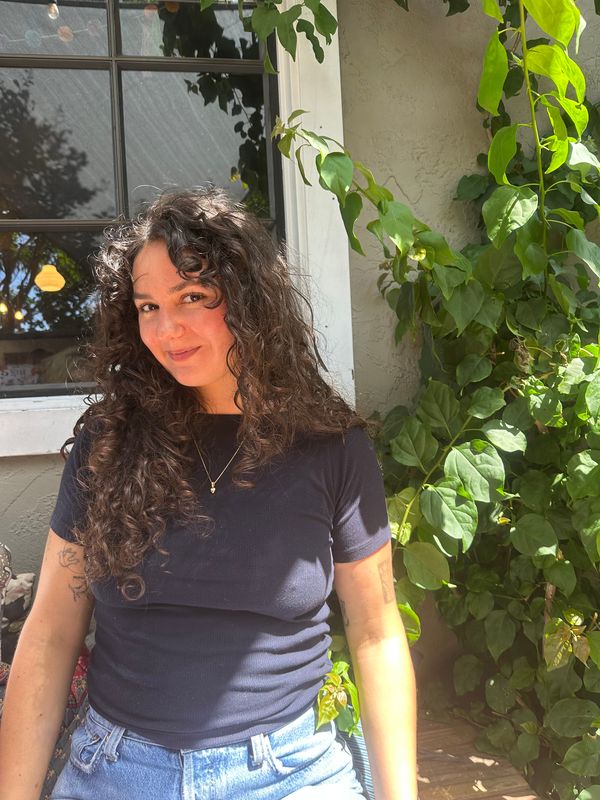
Taylor Shantz @taylor_is_at_home
Taylor Shantz is a ceramicist, designer, and poet from northern California. Her background in sustainability and industrial design informs how she thinks about interaction, impact, and the importance of craft. Her practice lies at the intersection of fluidity and connection across mediums, disciplines, and communities. She creates work that speaks to the natural relationships exclusive to its region—its ecology, folklore, and materials. She aims to surface both what is alive and what is lost. Using foraged materials like wild plants and clay to weave, entangle, and document ephemeral moments of the landscape. She engages with place not only as a material resource but as a collaborator—listening to what it offers and reveals. Rooted in reciprocity, participation, and transformation. By weaving together practices of social engagement, alternative craft, and play. She seeks to create spaces of mutual recognition—where one can reinhabit senses, reimagine relationships to land, and connect through creation. She works for an independent furniture design/ art collective in Oakland and resides in San Francisco.
Curators
Alex Ehmer @alexehma
Statement: Alex Ehmer is a local bay area artist and arts administrator born and raised in San Francisco CA. Alex graduated SFAI with a BFA in printmaking in 2019 and currently has a studio in the American Industrial building in San Francisco’s Dogpatch district. Alex has worked, exhibited, and curated at various art institutions and local galleries throughout their art career. Some such spaces are SFAI, Walter and Mc Bean Gallery, Burnt Oak gallery, 500 Capp Street, Fleetwood SF, Berggruen Gallery, and Mrkt Gallery. Alex’s art practice consists of intertwining various mediums of printmaking, sculpture, and performance in order to explore the complex natures involving childhood phycology, trauma, and the body and how it stores memory. In curatorial practice , Alex tries to investigate collaborative natures with galleries and various communities intertwining within the ecosystem of the Bay Area art scene. Whenever curating Alex always try and provide some aspect of open call to each exhibition in order to provide opportunities for these said communities.
Sammy Gripe @sammyydeer
Sammy Gripe is a San Francisco based multidisciplinary artist whose practice moves fluidly between soft sculpture, ceramics, and botanical assemblage. Drawing upon the emotional architecture of interpersonal relationships, Gripe creates intimate works that investigate vulnerability, attachment, memory, and the universal search for comfort and belonging. Her sculptures occupy a space between the familiar and preternatural, exploring the subtle ways objects can function as companions, witnesses, and extensions of self. Gripe has studied at University of Oregon, Beaux Arts de Paris, and San Francisco Art Institute where she received a Bachelor of Fine Arts in Sculpture in 2020.
Megan March @meganmarchstudio
Megan March is a Bay Area based interdisciplinary artist working in ceramic sculpture, sound, performance, and 2D media. Her practice explores questions and narratives around the activation of empty spaces, identity within the body, motherhood, resilience, and the parallel lines between the body and land. March received her BFA in Music, Studio Art, and English from Mills College, and recently received her MFA from California College of the Arts. She has released albums and toured much of Europe and North America with her musical projects, pushing the boundaries of performance, form, and genre. Thriving on the physicality of sculpting and percussion, on any given day you can find March in her studio using her hands to form clay or sound.
Statement: A near-death experience during childbirth at an understaffed hospital fuels my focus on the connective tissue of fragility and resilience between human bodies and the body of the land. I sculpt these forms in clay—an ideal, volatile, and imperfect medium—to explore the visceral feelings and landscape of the body and geographical narratives of violence and healing. While my vessels provoke questions on the presence of emptiness and potential, my clay impressions are artifacts of a hidden reality - allowing us to see and feel what the air touches on the surface of our environments.
 https://www.120710.art
120710.art 1207 Tenth Street
Berkeley, CA 94710